Centre and Serra da Estrela
From the lagoon coast of Aveiro to the 1993 metres of Serra da Estrela, a region of granite, Templar monasteries and sheep cheese aged in mountain shelters.
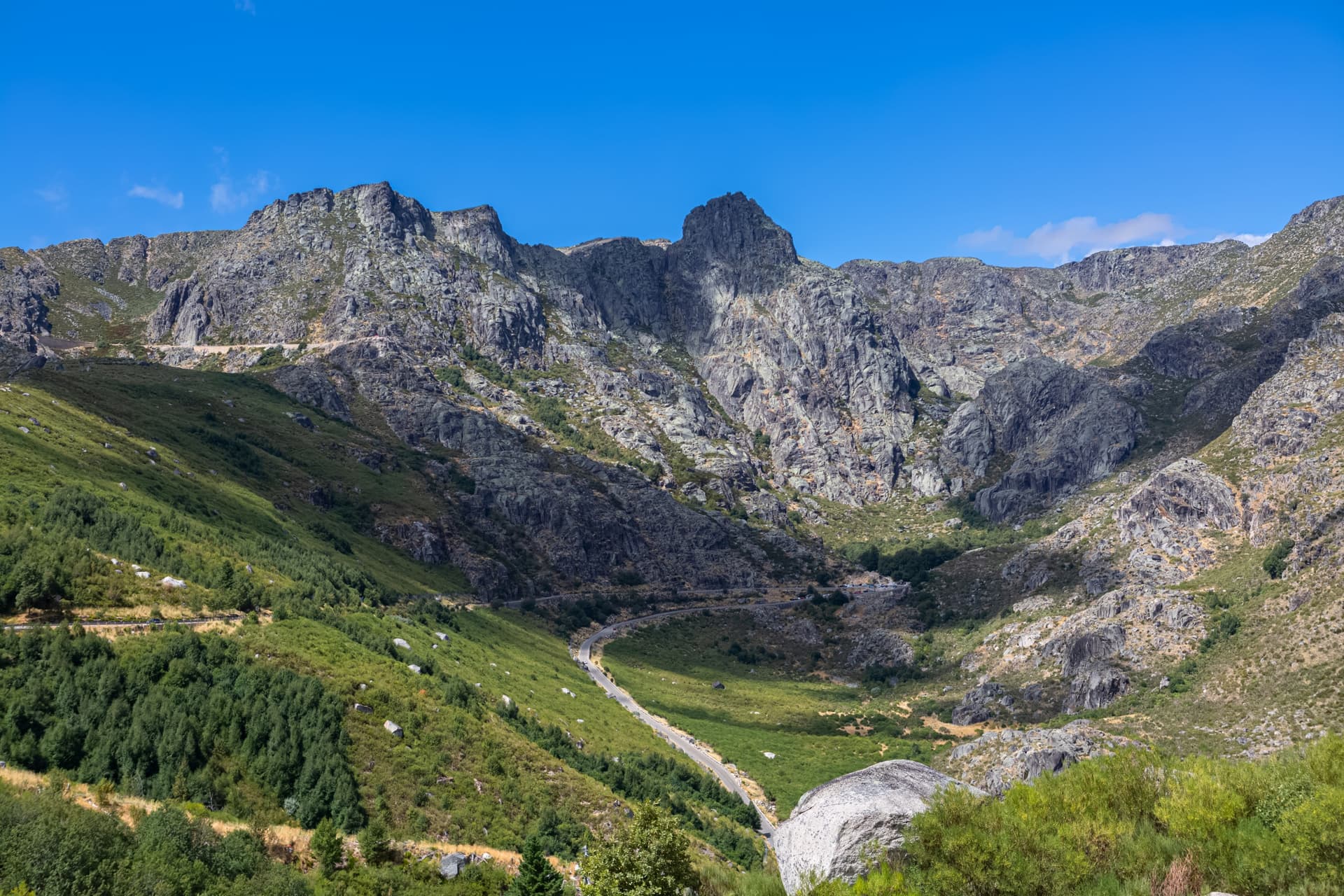
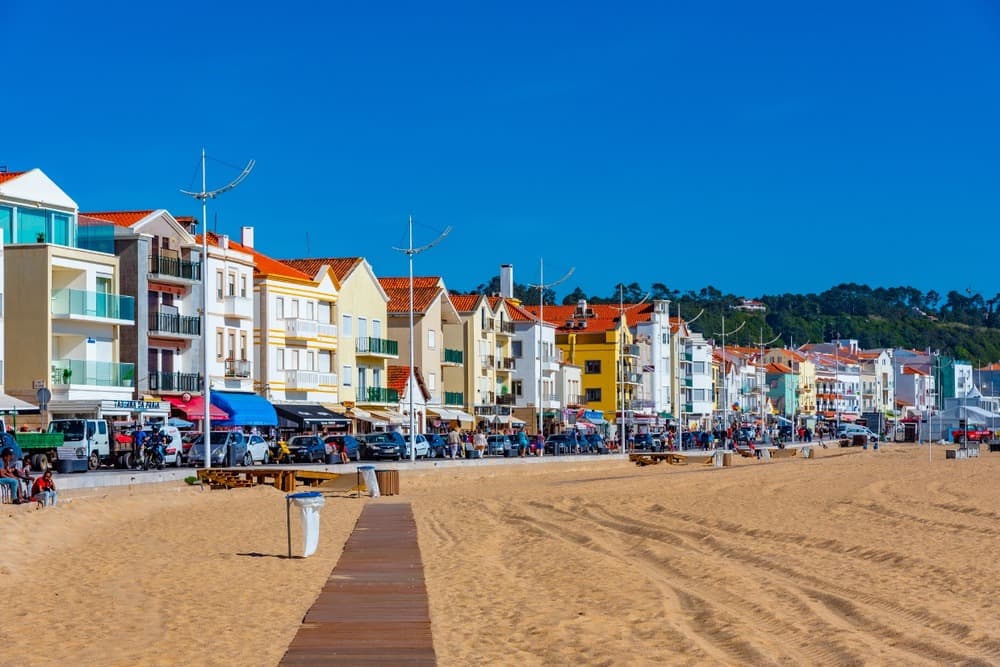
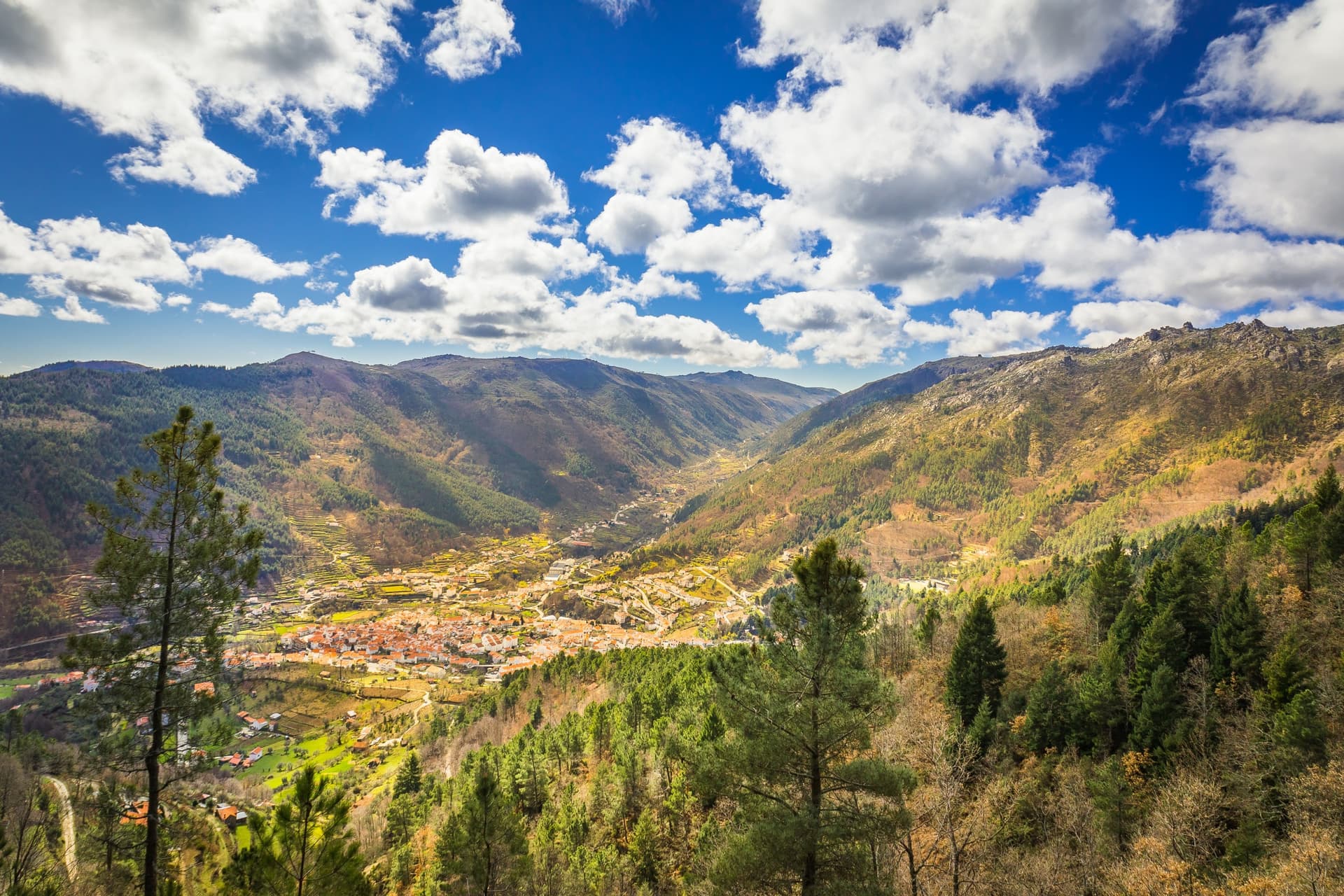
Central Portugal stretches between the Tagus and Douro rivers, across a territory that transforms dramatically within two hours of driving. To the west, the Beira Litoral coastal plain is carpeted with maritime pine forests and rice paddies around Aveiro, whose canals drain a 45-kilometre lagoon opening onto the Atlantic. To the east, the terrain rises in stages to the granite plateau of Serra da Estrela, culminating at Torre—1993 metres, the highest point of mainland Portugal. This geographical ascent structures the entire journey: you move from the white sands of Costa Nova to the high-altitude shepherds' shelters of Manteigas in a single day's drive.
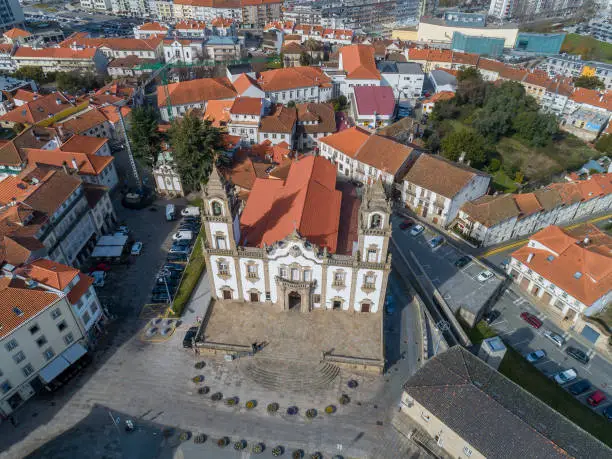
Coimbra anchors the region culturally. Its Velha Universidade, founded in Lisbon in 1290 then permanently transferred here in 1537, houses the Joanina library with its golden wooden shelves, the Chapel of São Miguel, and a tradition of male fado distinct from that of Lisbon, sung in black capes by former students. Further south, Tomar shelters the Convent of Christ, once the seat of the Portuguese Templars converted to the Order of Christ after 1319, whose octagonal Charola and Manueline cloisters can be visited in two hours. Thirty kilometres away, the Batalha monastery commemorates the 1385 Battle of Aljubarrota in late Flamboyant Gothic, and that of Alcobaça, 20 kilometres distant, houses the crossed tombs of Pedro and Inês de Castro.
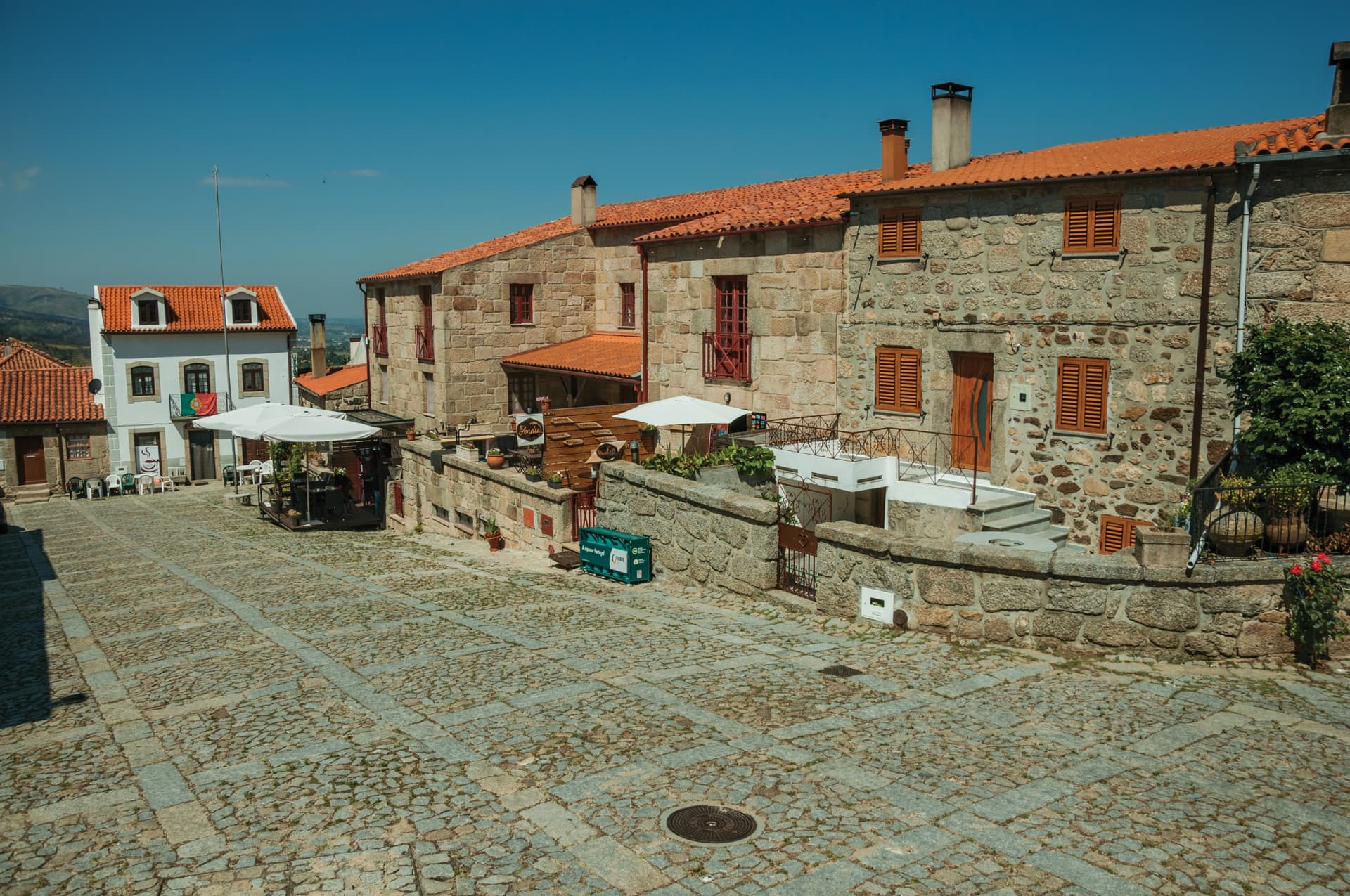
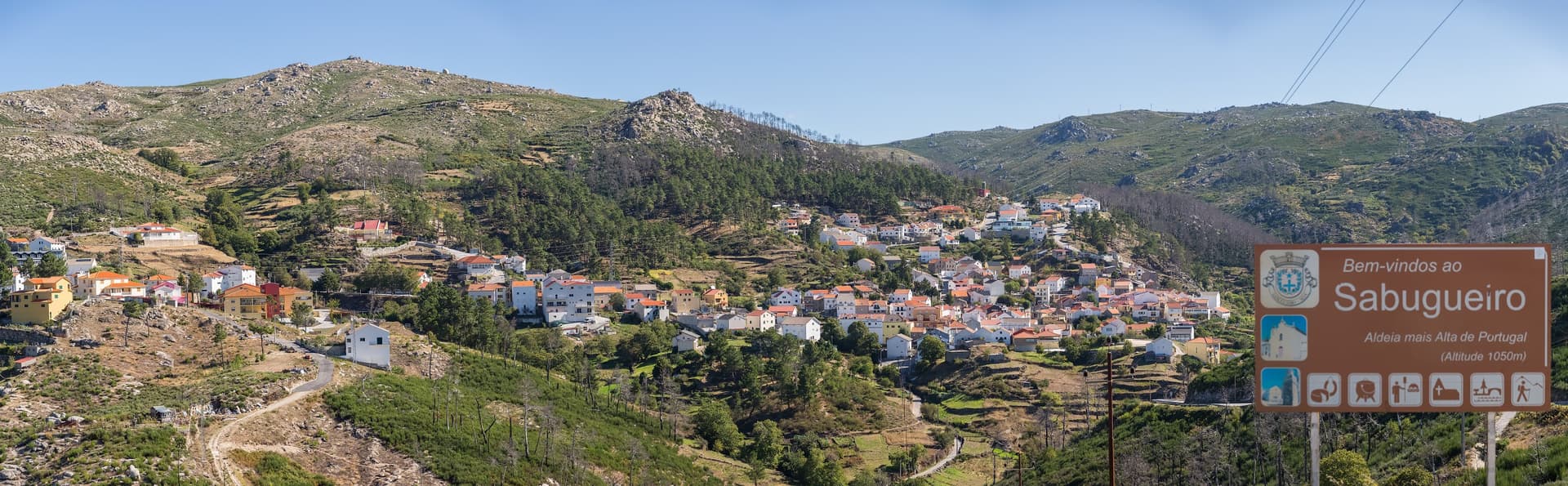
The interior, Beira Interior, is a land of granite and chestnut trees. Twelve classified historic villages, including Monsanto, Sortelha, Linhares da Beira, Idanha-a-Velha and Piódão, have been restored as part of a regional programme launched in 1991. At Monsanto, houses nestle beneath granite boulders weighing hundreds of tonnes; at Sortelha, the 13th-century medieval walls can be walked in an hour along the ramparts. Piódão, to the west in the Serra do Açor, stands out for its dark schist houses with blue-painted doors, arranged in an amphitheatre on the mountainside.
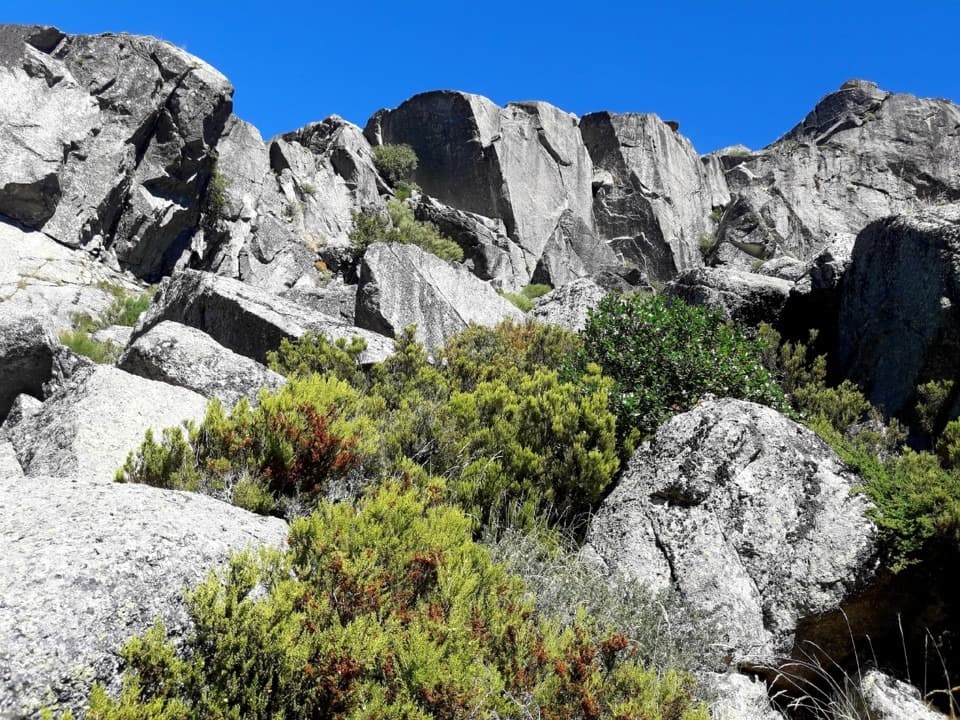
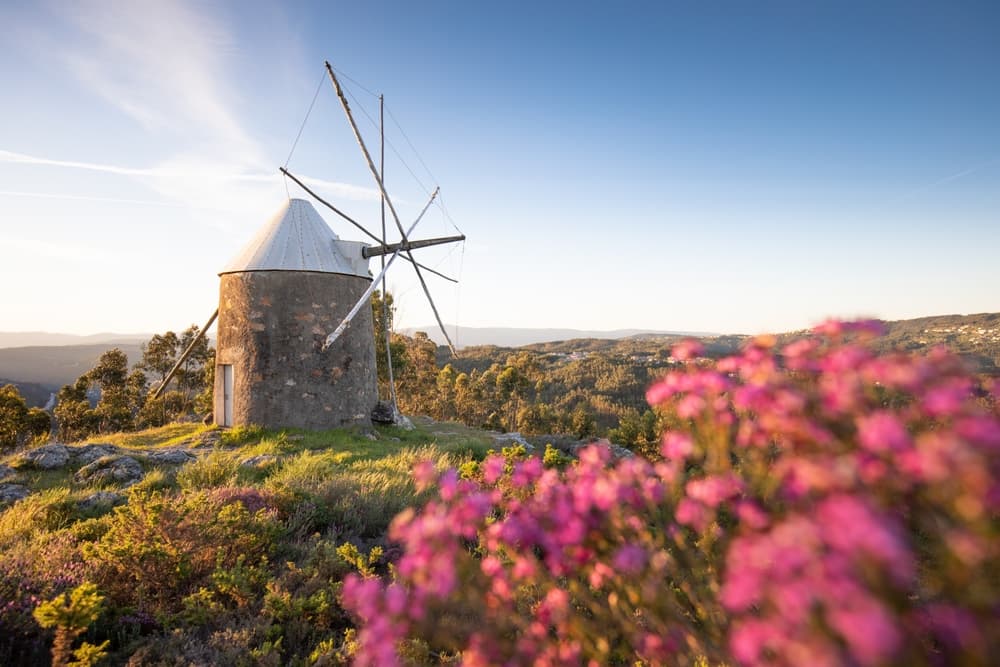
Serra da Estrela is the only Portuguese mountain where you can ski, on the slopes of Vodafone Ski Resort between December and March, though the season is often brief and irregular. In summer, the massif is best approached on foot: the glacial valley of Zêzere from Manteigas, the trail to Lagoa Comprida, the erratic boulders of Cântaro Magro. Serra da Estrela DOP cheese, made between November and March from the raw milk of Bordaleira ewes and curdled with the thistle Cynara cardunculus, is another reason to venture up. You can buy it directly from shepherds' shelters around Seia, Gouveia or Celorico da Beira, where a cheese fair is held every Saturday in February and March.
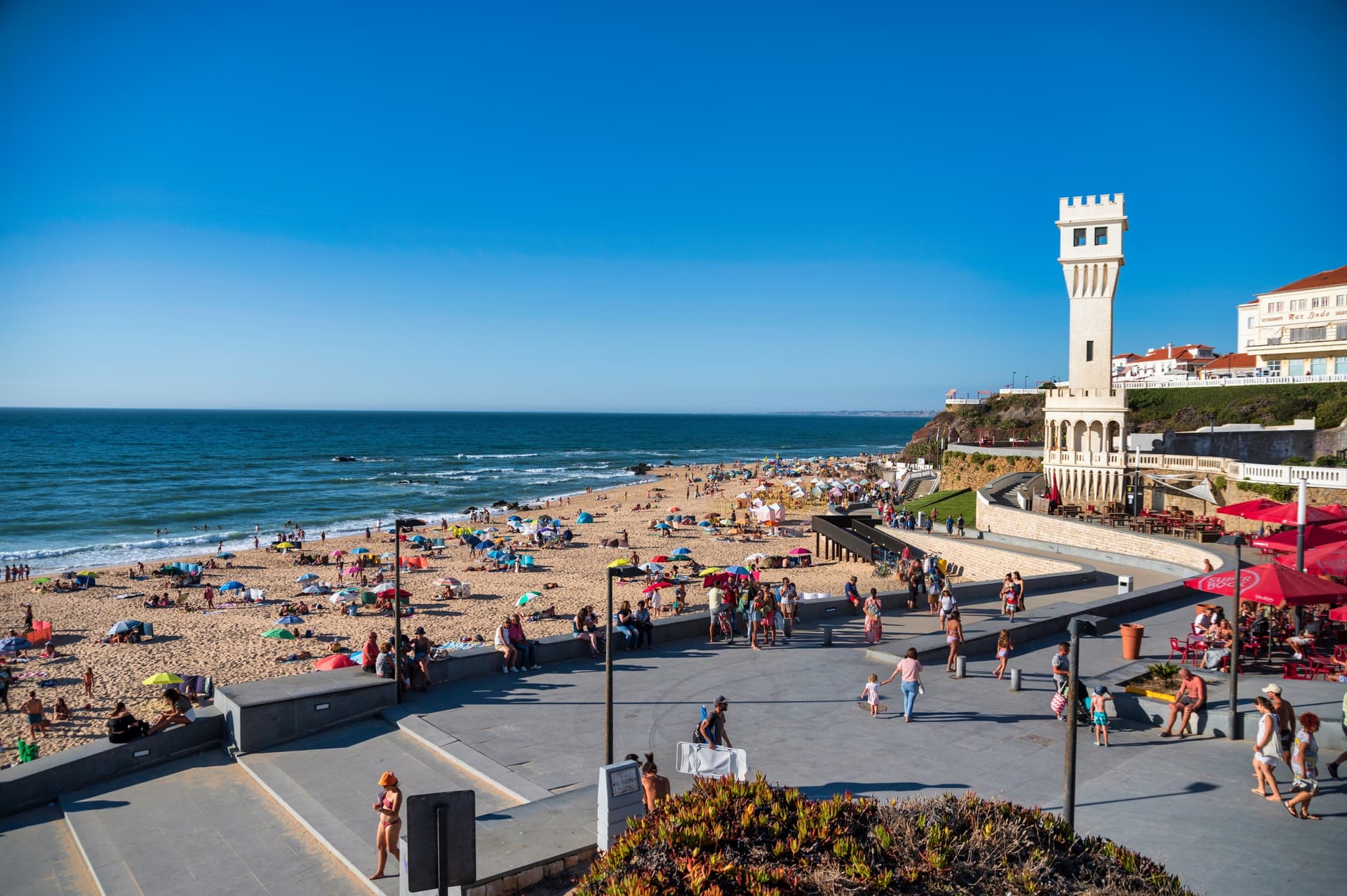
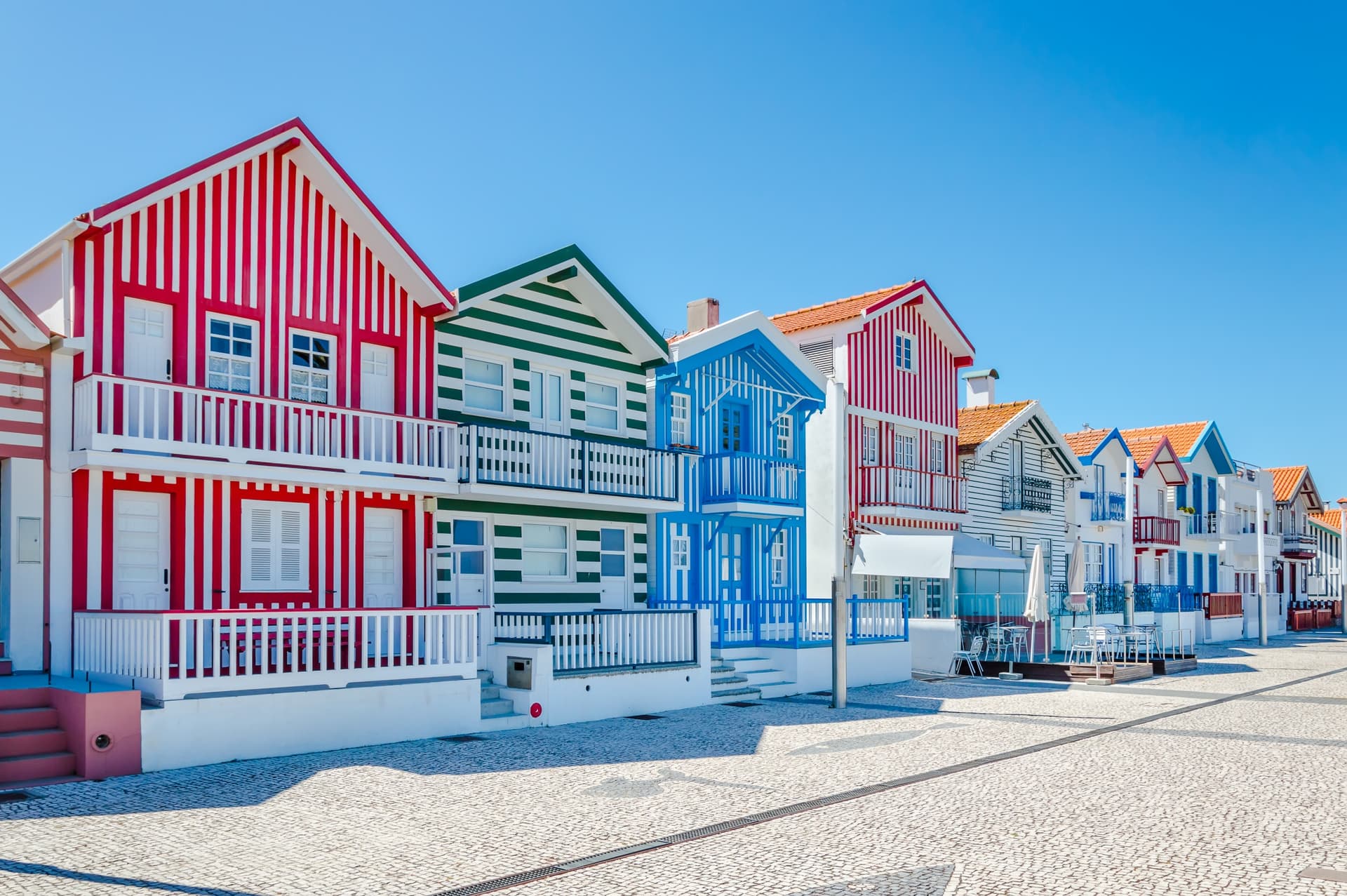
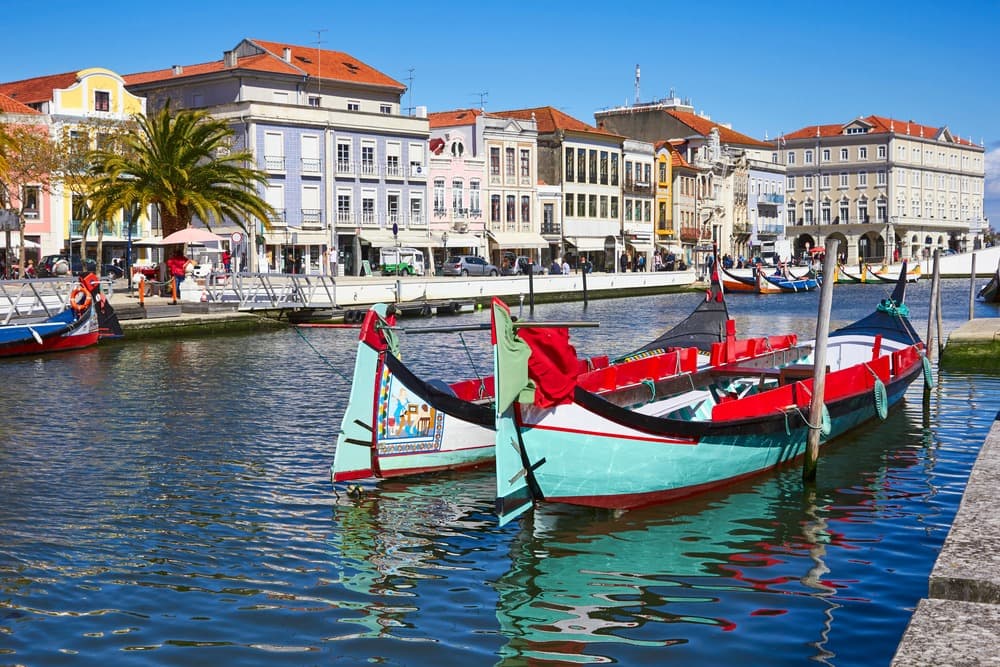
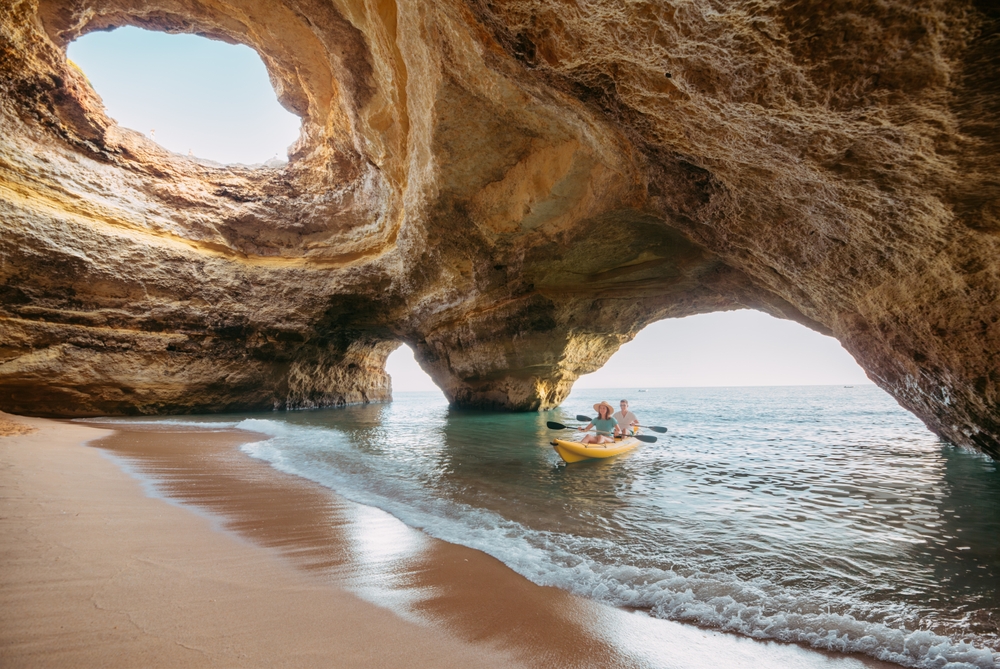
Aveiro and the coast add a lagoon and beach dimension. Moliceiros, colourful boats once used to harvest seaweed, still navigate the channels of the Art Nouveau town centre. At Costa Nova, striped fishermen's houses (palheiros) extend into an 8-kilometre beach. Gastronomy follows geography: ovos moles from Aveiro made with egg yolk and sugar, leitão da Bairrada (roast suckling pig) served between Mealhada and Anadia, chanfana (kid stewed in red wine) in Coimbra, runny Serra cheese to be eaten with a spoon in winter.
For our English-speaking team based in the capital, this is the region that demands the most difficult choices: you cannot honestly cover Serra, the historic villages, Coimbra and Aveiro in less than five days. The heritage density of the Batalha-Alcobaça-Tomar triangle alone is enough to occupy two full days.
To discover
Zêzere glacial valley from Manteigas. A U-shaped trough carved by Quaternary glaciers, stretching 13 kilometres, accessible by car to the source of the Zêzere at 1500 metres, or on foot via the PR1 SEI trail from the village.
Joanina Library in Coimbra. Three vaulted rooms from 1728 containing 60,000 volumes from the 16th to 18th centuries, protected from insects by a colony of bats that emerge to hunt each evening in the courtyard.
Monsanto and its houses beneath boulders. Granite village built around and beneath erratic blocks weighing hundreds of tonnes, with the Capela de São Miguel carved directly from the rock. A 30-minute climb to the ruined castle rewards you with views across the Castelo Branco plain.
Convent of Christ in Tomar. The Portuguese seat of the Templars until 1319 then of the Order of Christ, which financed the Age of Discovery. The octagonal Romanesque Charola, inspired by the Holy Sepulchre, and the Manueline chapter window can be visited in two hours.
Serra DOP cheese in a shepherds' shelter. Visit a queijaria around Seia or Gouveia between January and March, during full production season, to taste sheep cheese curdled with thistle directly from the producer.
When to visit
Central Portugal is comfortably visited from May to October, with marked variations depending on altitude. Along the coast around Aveiro and Coimbra, temperatures range between 18 and 25°C in May-June and September-October, and climb to 28-32°C in July-August, bearable thanks to Atlantic breezes. In Beira Interior and around Castelo Branco, summer is drier and hotter, reaching 35-38°C in July-August, making visits to the granite villages trying in mid-day heat. We recommend scheduling visits for early morning or late afternoon.
Serra da Estrela follows an inverse calendar. From December to March, the peaks are snow-covered above 1500 metres, roads to Torre are sometimes closed and temperatures regularly drop below freezing at night in Manteigas (1000 metres). This is ski season, fresh cheese season and villages shrouded in mist, but several mountain inns close. From June to September, the plateau offers 20-25°C during the day, ideal for hiking, with cool nights around 10°C even in August. April and November are rainy transition months, best avoided for high mountain activities.
Practical advice
We recommend five to seven days on the ground to cover the region without rushing through it. A rhythm that works well: two days on the cultural axis Batalha-Alcobaça-Tomar-Coimbra, two days in Serra da Estrela with a night in Manteigas or a mountain pousada, one to two days in the historic villages of Beira (Monsanto, Sortelha, Belmonte, Piódão). Access is by road from Lisbon (2 hours to Coimbra, 3h30 to Manteigas) or Porto (1h15 to Aveiro, 2h45 to Serra). No international airport serves the region directly: you enter via Lisbon or Porto and rent a car, essential for exploring interior villages.
The most logical combination is with Porto and the Douro to the north, heading up through Aveiro then Coimbra, or with Lisbon and Sintra to the south via Tomar and Batalha. Combining with Alentejo requires an extra day's drive and is only worthwhile for those with two full weeks available. Hotel comfort is good in historic pousadas (Óbidos, a former Arraiolos convent relocated, Convento de Belmonte) and mountain rural houses, more rustic in some remote villages. The region is particularly suited to travellers interested in medieval heritage, trekkers and foodies; less so for families with young children, due to distances and density of cultural visits.