City History Museum
City History Museum
On Rua Direita in Viseu, the Museu de História da Cidade traces 2,500 years of urban history, from pre-Roman origins to the 20th century.
The Museu de História da Cidade traces 2,500 years of urban history in Viseu, in the Centre region of Portugal. Located on Rua Direita, the main commercial street of the old town, this small municipal museum brings together archaeological objects, documents and digital displays to tell the story of the city's political, religious and economic evolution from its pre-Roman origins through the 20th century.
Why visit this museum
Viseu remains a way station often passed through without being truly understood. The Museu de História da Cidade provides the missing context: it situates monuments, street names and local figures within a clear chronological framework. The visit takes less than an hour, making it an ideal introduction before exploring the historic centre. The museum favours restrained museography and an immersive virtual visit experience added in 2019, which complements the physical exhibition.
A long-awaited opening
The idea of a museum dedicated to the city's history had circulated in Viseu since 1977. The project was postponed for more than four decades before coming to fruition: the Museu de História da Cidade finally opens its doors on 18 May 2018. The following year, in 2019, an immersive virtual tour enriches the experience and allows visitors to extend their discovery beyond the exhibition halls.
The museum's approach is built on a broad historical narrative. Archaeological research traces the occupation of the site back approximately 2,500 years to pre-Roman times, before the arrival of the Romans who would profoundly shape the region's urban development. In the 6th century, Viseu became the seat of a diocese, a decisive step in its political and religious affirmation across the Iberian Peninsula.
What you will see on site
The route is organised chronologically and thematically. You will encounter:
- Pre-Roman and Roman origins: archaeological objects and traces of the ancient occupation of the Viseu plateau.
- The Middle Ages: transformation of the city into a diocese in the 6th century, religious and urban structuring.
- The early modern period: economic and religious growth, with evocations of Grão Vasco, a major Portuguese Renaissance painter born in Viseu.
- The 19th century: the figure of D. Miguel and the context of the Liberal Wars that shaped the region.
- The contemporary city: urban development, economic and political life through the 20th century.
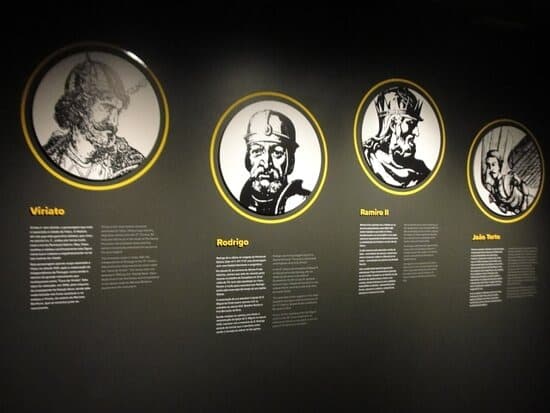
Digital media (screens, reconstructions, virtual tours) complement the displayed pieces and make the narrative accessible even without prior knowledge of Portuguese history.
Practical information
- Address: Rua Direita, historic centre of Viseu.
- Admission: free entry at present (verify on site, as conditions may change).
- Duration: less than an hour is sufficient to see the entire museum.
- Opening hours: open Tuesday afternoon through Sunday, closed Mondays, Tuesday mornings and public holidays. Confirm the exact times before your visit.
- Accessibility: the museum is located in the pedestrian heart of the city, a few minutes' walk from the cathedral (Sé) and main square.
How to get there
Viseu has no train service but remains easily accessible by car or coach:
- From Porto: approximately 1.5 hours by car via the A25, or regular coach connections (Rede Expressos).
- From Coimbra: approximately 1 hour via the IP3, quick access from the A1.
- From Lisbon: allow 3 hours via the A1 then IP3, or equivalent direct coach journey.
Once in Viseu, the museum is easily reached on foot from anywhere in the centre. Parking is more straightforward on the immediate outskirts than in the heart of the old town.
What to see nearby
The Centre region and northern Portugal offer several interesting extensions after your visit:
- The Museu do Caramulo, famous for its vintage car collection and artworks, about thirty kilometres away.
- The Nave Mestra, a complementary cultural stop in the region.
- The Alvão natural park, to breathe fresh air after city visits.
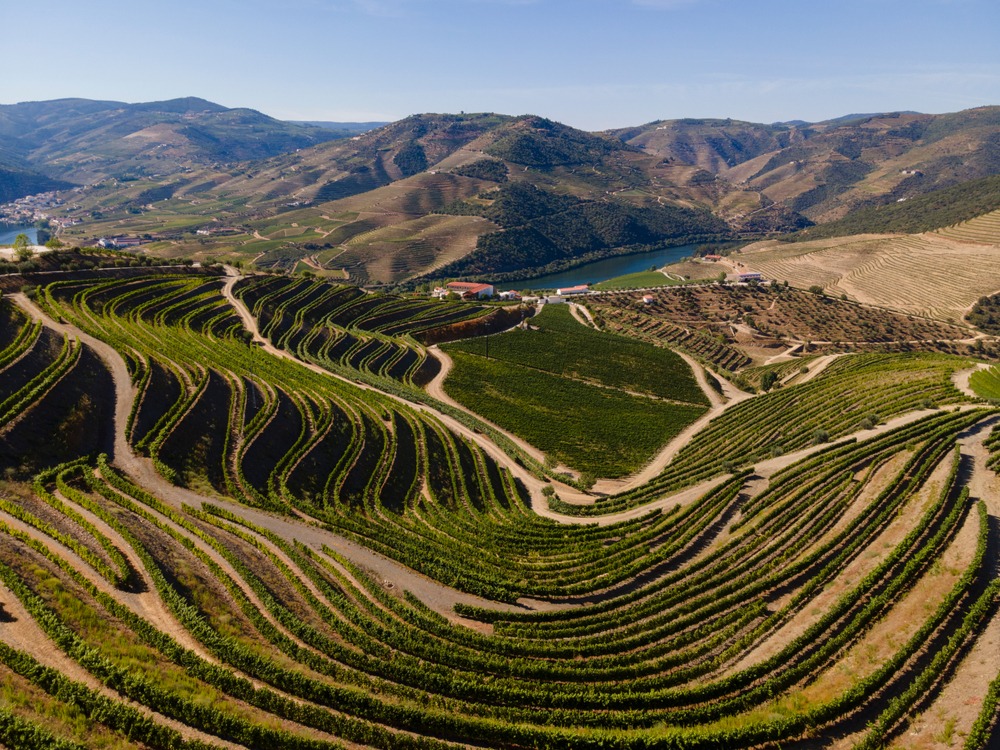
- The Quinta da Avessada and the Favaios bread and wine museum, to combine history and local heritage in the Douro valley.
Extend your discovery
The Museu de História da Cidade is a fine entry point for understanding Viseu, and also for placing the city within the broader history of central Portugal. To build a comprehensive itinerary combining urban heritage, vineyards and nature, consult our bespoke Portugal journeys.
Interested in this visit?
We can include it in your personalised itinerary.