Quinta da Avessada
Quinta da Avessada
Wine tourism estate on the Favaios plateau, at 600 m elevation, specializing in Moscatel Galego and Douro wines. Cellar tours, tastings and wine facilities to discover.
Quinta da Avessada is a wine tourism estate located on the Favaios plateau, at 600 meters elevation, in the heart of the Douro Valley. Specializing in Moscatel Galego, it offers cellar tours, guided tastings and presentations of local viticulture, in a region classified as a UNESCO World Heritage site for its terraced vineyard landscape.
Why visit Quinta da Avessada
The estate offers a genuine gateway to wine tourism in the Upper Douro. Unlike the better-known quintas located along the riverbank around Pinhão or Peso da Régua, Quinta da Avessada stands out for its location on the cooler, drier Favaios plateau at altitude, and for its specialization in Moscatel Galego, a white variety that accounts for around 90% of the village's vineyard area.
The visit appeals to both wine enthusiasts and travelers curious about how Port, Moscatel and Douro red wines are made. The format is interactive: the tour combines scenography, explanations of grape varieties, presentation of traditional tools and guided tasting.
History
The Douro Valley has enjoyed a winemaking tradition spanning nearly 1500 years, and was the first region in the world to benefit from a protected designation of origin, established in 1756 by the Marquis of Pombal. Moscatel de Favaios became established on this plateau due to soil and altitude conditions particularly suited to this aromatic white variety.
Quinta da Avessada claims approximately 160 years of winemaking experience on this terroir. According to the estate, it was the first in the Douro region to plant Moscatel Galego, a variety that has become emblematic of the village. The family ownership progressively transformed the property into a wine tourism center, with visitor facilities, tasting rooms and restaurant services available by reservation.
What to see and do
Cellar tours
The guided tour presents the winemaking stages: pressing, fermentation, aging in tank and barrel. Explanations focus on the specifics of Moscatel (late harvest, mutage with wine brandy to preserve natural sugar) and the production of Port and Douro red wines.
Wine tasting
Several tasting options are available, typically featuring three to six wines: Moscatel Galego de Favaios, Port, Douro red wine (Tinto) and sometimes older vintages. Tasting can be combined with a traditional meal highlighting local products (cured meats, cheeses, regional dishes).
The vineyard landscape
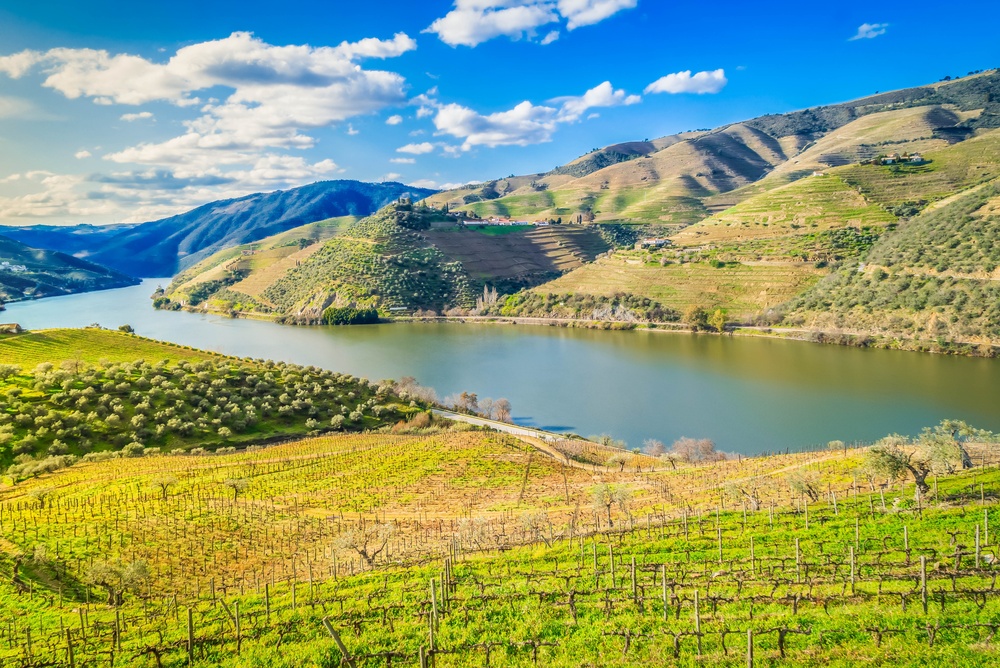
The Favaios plateau offers more open vistas than the steep slopes of the river Douro. Vineyard rows stretch endlessly, punctuated by granite villages. It provides a good comparison point with quintas situated lower, along the riverbank.
Practical information
Tours and tastings are offered by prior reservation, especially recommended during peak season. The estate offers several packages depending on duration and the number of wines tasted; expect approximately 1 to 2.5 hours depending on the program chosen. Prices are moderate by Portuguese wine tourism standards.
- Reservation recommended via the official website or by phone
- Tours available in several languages, including English and French subject to availability
- Possibility of combining tour, lunch and wine purchases on-site
When to go
Favaios enjoys a continental Mediterranean climate: hot, dry summers and cool winters. The average annual temperature hovers around 17°C, with rainfall around 900 mm concentrated mainly between autumn and spring.
The most pleasant period extends from May to September, with sunny weather and long days. The harvest season, typically in September, offers a prime time to visit the region: activity in the cellars is at its peak and some quintas offer experiences involving grape treading.
How to get there
Quinta da Avessada is located on the Favaios plateau, accessible via R. 25 de Abril road. From Porto (approximately 130 km), allow nearly 2 hours driving via the A4 motorway then regional roads leading toward Alijó and Favaios. A rental car remains the most practical option.
The Douro Valley is also served by the Douro railway line, one of Portugal's most scenic routes, extending to Pinhão or Pocinho. From these stations, road transfer is necessary to reach the Favaios plateau.
What to see nearby
Favaios and its region concentrate several points of interest:
- The Favaios Museum of Bread and Wine, a natural complement to your wine experience
- Pinhão and its riverbank quintas, about twenty kilometers away
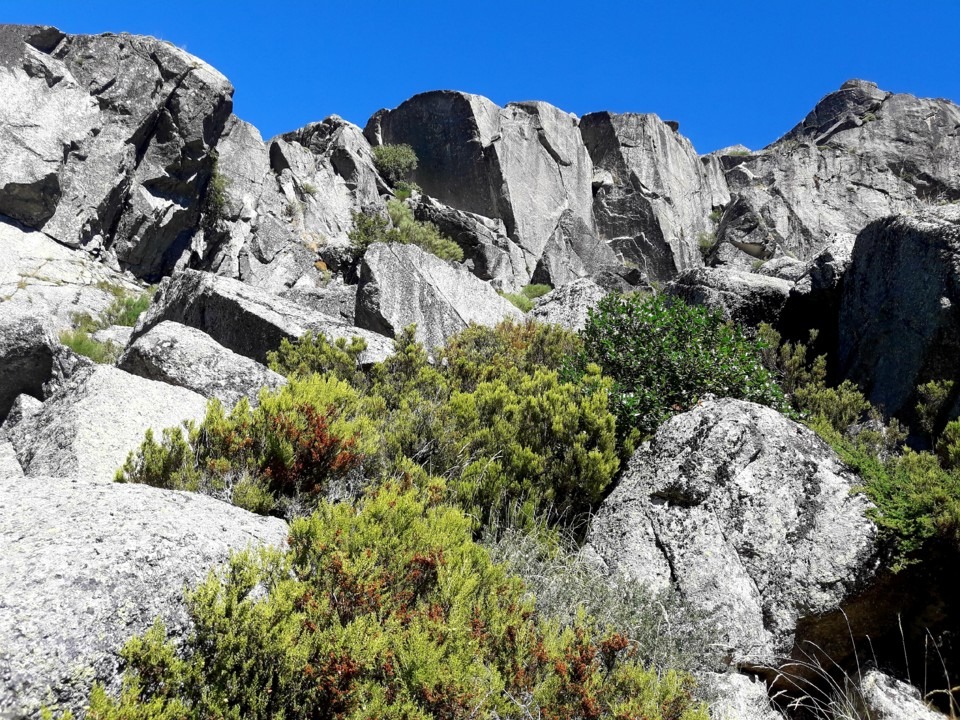
- The Alvão Natural Park, mountain landscapes to the northwest
- The Nave Mestra, another natural point of interest in the northern region
Frequently asked questions
Frequently asked questions
Yes, reservation is strongly recommended, particularly during peak season (May-September) and during the harvest. It guarantees the guided tour, tasting and, if applicable, meal on-site.
Both are fortified wines (fermentation stopped by adding wine brandy), but Port comes mainly from red varieties of the river Douro, while Moscatel de Favaios is made from the white Moscatel Galego variety grown on the plateau, which gives it a floral, fresher aromatic profile.
Plan for 1 to 1.5 hours for a tour with simple tasting, and up to 2.5-3 hours if you combine it with a traditional lunch.
It's possible but inconvenient. The nearest station is Pinhão (Douro line), from which a taxi or transfer is needed to reach Favaios. A car remains recommended for visiting multiple quintas.
Plan your trip
Quinta da Avessada naturally fits into a wine tourism itinerary in the Upper Douro, to combine with quintas in Pinhão, a river cruise and granite villages on the plateau. To tailor a visit to the region, consult our Portugal travel experiences.
Nearby

Interested in this visit?
We can include it in your personalised itinerary.