Alvão Natural Park
Alvão Natural Park
Near Vila Real, Alvão Natural Park protects 7,238 hectares of mountains, waterfalls and traditional villages, including Fisgas de Ermelo, Portugal's highest waterfall.
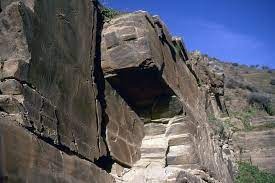
Alvão Natural Park spans 7,238 hectares in the municipality of Vila Real, in northern Portugal. What sets it apart is the coexistence of two contrasting landscapes: a granite highland zone with high-mountain vegetation, and a lower slate zone, more verdant and shaped by water. This geological duality explains the diversity of its habitats and the interest it generates among both naturalists and hikers.
Why visit Alvão Park
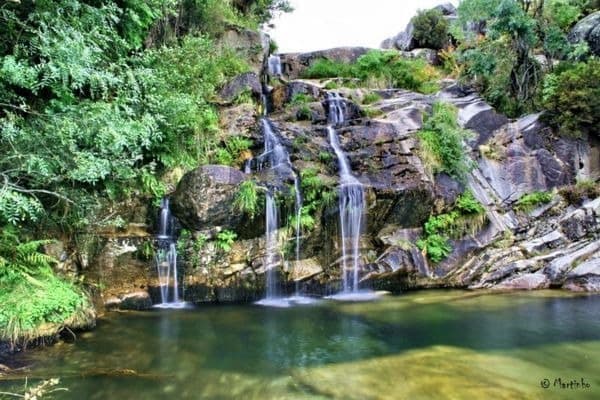
The park concentrates several rare assets within a modest area. The Fisgas de Ermelo waterfall is its most celebrated feature: considered Portugal's highest, it cascades in several tiers over a total height of approximately 200 metres. Other falls, including Bilhó, as well as clear rivers and lagoons, punctuate the territory and make the visit worthwhile in any season.
Beyond its relief, the park harbours vibrant human heritage: villages with slate and granite houses topped with thatch, agricultural terraces, traditional crafts such as linen weaving, and a local cuisine in which roasted kid goat remains the emblematic speciality.
History and protection status
Alvão Natural Park was established on 8 June 1983 by the Portuguese Ministry of Quality of Life, with the aim of preserving mountain ecosystems in the northern region. On 28 August 1997, it was integrated into the European Natura 2000 network, which strengthened its protection and aligned its management with European standards for biodiversity.
What to see in the park
The Fisgas de Ermelo waterfall
This is the park's most visited site. The cascade develops across several ledges for a cumulative height of approximately 200 metres. Several viewpoints allow you to observe it from the hamlet of Ermelo, and a path descends to the base of the falls for equipped hikers.
The Bilhó waterfall and watercourses
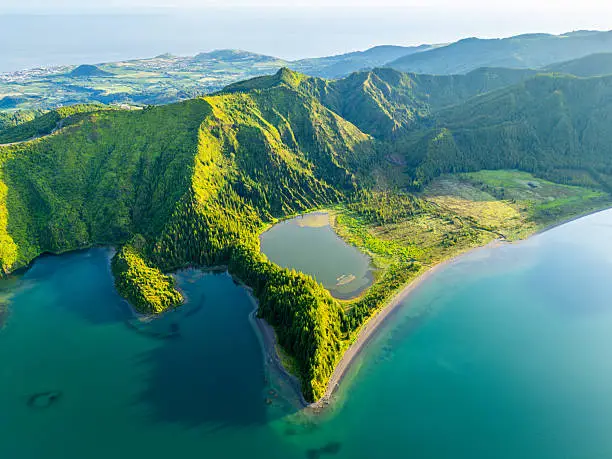
Less frequented, the Bilhó waterfall complements the park's hydrographic network, where pools, lagoons and rivers alternate, offering opportunities for swimming in summer when the flow permits.
Remarkable biodiversity
The park records 486 plant species, of which 6 are endemic to Portugal, 25 endemic to the Iberian Peninsula, and 23 are among species with high conservation status. Notable plants include:
- Drosera rotundifolia, a carnivorous plant of peatlands;
- Paradisea lusitanica, wild lily typical of damp meadows;
- Arnica montana, sought after for its traditional uses.
Forest cover is dominated by oaks, birches and chestnuts. Among fauna, emblematic species include the Iberian wolf, wildcat, water mole, peregrine falcon, golden eagle, water lizard, red-billed chough and Iberian frog. Observations remain rare for discreet mammals, more likely for birdlife.
Traditional villages
The hamlets of Ermelo, Lamas de Olo and Fervença preserve vernacular architecture built in slate and granite, with thatch roofing still present. Agricultural terraces, mills and community ovens bear witness to a once self-sufficient rural way of life.
When to visit Alvão
The best time depends on the type of visit you envisage. Summer, from June to September, is ideal for swimming in the lagoons and at the foot of the waterfalls, with long days and still-adequate water flow. For hiking, the mild temperatures of spring, from mid-April to early June, remain the most comfortable, with vegetation in bloom and well-fed watercourses. Autumn offers striking colours in the chestnut groves; winter can be cold and windy at altitude.
How to reach the park
The park is located approximately 100 km east of Porto. Several options are available:
- By car from Porto: this is the most practical solution, with the A4 motorway directly connecting Vila Real, the main gateway to the park.
- By coach: regular services connect Porto and Lisbon to Vila Real; a local transfer by car or taxi is then necessary to reach the villages and trails.
- On-site: vehicle hire is recommended to freely connect the main points of interest, as local public transport is limited.
Practical information
- Several marked trails criss-cross the park, but signposting can be uneven: bring a paper map or a downloaded GPS track for offline use.
- Hiking gear recommended, with water and windbreaker even in summer, as altitude makes conditions changeable.
- Swimming in the lagoons is at visitors' own risk: currents and low temperatures are possible.
- Respect agricultural areas and private property in the villages you pass through.
What to see nearby
The Northern region and Portuguese hinterland offer several logical extensions after visiting Alvão:
- The Serra da Estrela, Portugal's highest mainland mountain range, for mountain enthusiasts;
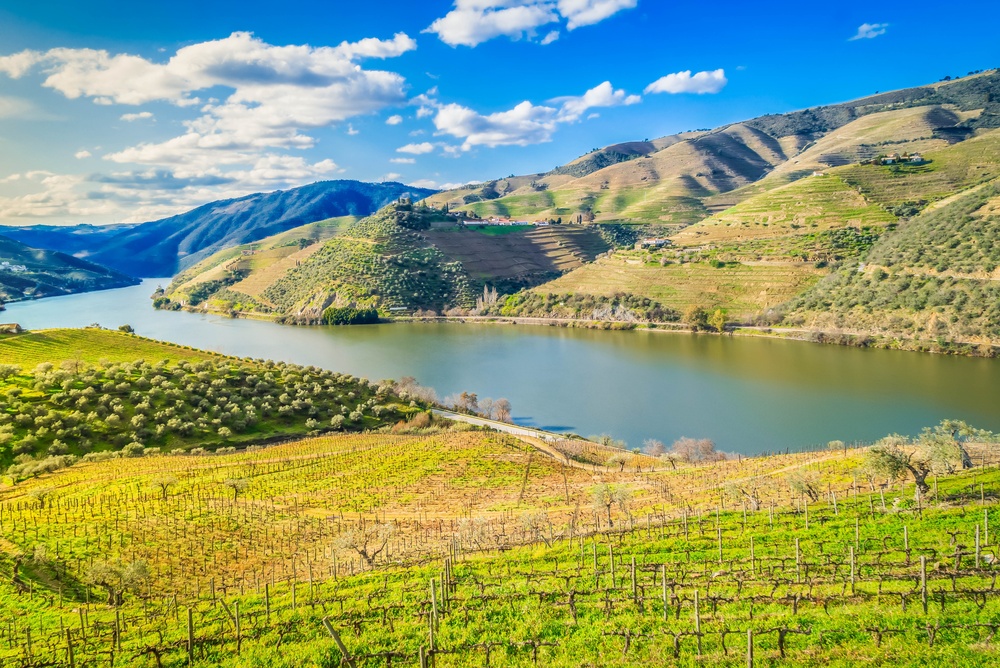
- The Quinta da Avessada, in the Douro Valley, for a wine-tasting stop;
- The Favaios bread and wine museum, an immersion into local rural heritage;
- The Caramulo Museum, for an unexpected cultural break.
Frequently asked questions
Frequently asked questions
Allow approximately 1 hour 30 minutes of driving via the A4 motorway to Vila Real, then a further twenty minutes to reach the main entry points such as Lamas de Olo or Ermelo. The car remains the most flexible option; failing that, coaches connect Porto to Vila Real several times daily.
Yes, several lagoons and river beaches lend themselves to swimming, especially in summer when flows decrease and water temperature rises. No supervision is provided: take care with currents, slippery rocks and cool water even in the height of summer.
The most popular routes connect Lamas de Olo, Ermelo and the surroundings of the Fisgas waterfall. Several loops of a few hours allow you to combine panoramas, traditional villages and water features. Equip yourself with a map or GPS trace, as marking can be subtle in places.
It remains accessible in all seasons, but its flow varies significantly. Spring, following snowmelt and winter rains, offers the most impressive spectacle. By late summer, the flow can be reduced depending on the year.
Plan your trip
Alvão Park fits naturally into an itinerary in northern Portugal, between the Douro Valley and the high plateaus of Trás-os-Montes. To build a coherent trip combining nature, heritage and gastronomy, consult our suggestions for trips to Portugal.
Interested in this visit?
We can include it in your personalised itinerary.