Prehistoric Rock Art Sites of the Côa Valley
Prehistoric Rock Art Sites of the Côa Valley
The world's largest open-air rock art site, the Côa Valley brings together thousands of prehistoric engravings across 17 km near Vila Nova de Foz Côa.
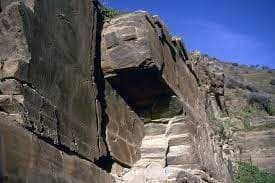
The Côa Valley Archaeological Park (Parque Arqueológico do Vale do Côa) spans more than 17 km in the Guarda district, in northeastern Portugal, near the Spanish border. It is the world's largest open-air rock art site, with thousands of prehistoric engravings scattered across slate outcrops along the Côa River and its tributaries. Inscribed as a UNESCO World Heritage Site since 1998, the ensemble is complemented by the Côa Museum, which opened in 2010 in Vila Nova de Foz Côa.
Why visit the Côa Archaeological Park
The Côa Valley brings together what no other open-air prehistoric site offers on this scale: engravings carved directly into rock, in their original context, observable alongside archaeologist-guides. The earliest examples of visual communication represented here date back approximately 22,000 BC, and the symbolic occupation of the site extends through the Iron Age, with a few isolated additions from the 17th century.
The appeal of a visit lies as much in the archaeological value of the panels as in the landscape that surrounds them: an enclosed, dry valley, shaped by slate, which gives the engravings their clarity. Visits are necessarily conducted in small groups, which transforms the experience compared to a traditional museum.
Discovery history
The engravings were spotted in 1991 at the Canada do Inferno site during preparatory work for constructing a hydroelectric dam. The project was set to submerge the valley under more than 100 meters of water. As documentation continued, the inventory expanded: dozens of engraved panels were identified.
In 1994, when discoveries became public, a mobilization effort was organized to stop construction. However, the company responsible continued the work. Official cessation was declared in 1995, following a change in government. Since then, teams of archaeologists have studied and catalogued the figures. In 2010, following an international design competition, a dedicated museum opened near the site.
What to see: the engravings and the museum
The three sites open to the public
Of the many engraved sectors documented, only three are open for visits in order to limit vandalism and wear:
- Canada do Inferno: the historic discovery site, accessible after a walk of approximately 800 m.
- Ribeira de Piscos: remarkable panels, reachable at the end of a walk of approximately 2 km.
- Penascosa: the most accessible, with a flat path from the 4x4 parking area.
The techniques used combine incision, pecking, grooving and scraping. Some figures are intentionally overlaid to suggest the movement of the animal. The representations are dominated by equids (horses), followed by cervids, bovids, bison, woolly rhinoceros, fish, human figures and abstract motifs. Iron Age engravings, which are later, show more complex scenes: warriors armed with swords and spears. A few rare marks from the 17th century complete the ensemble.
The Côa Museum
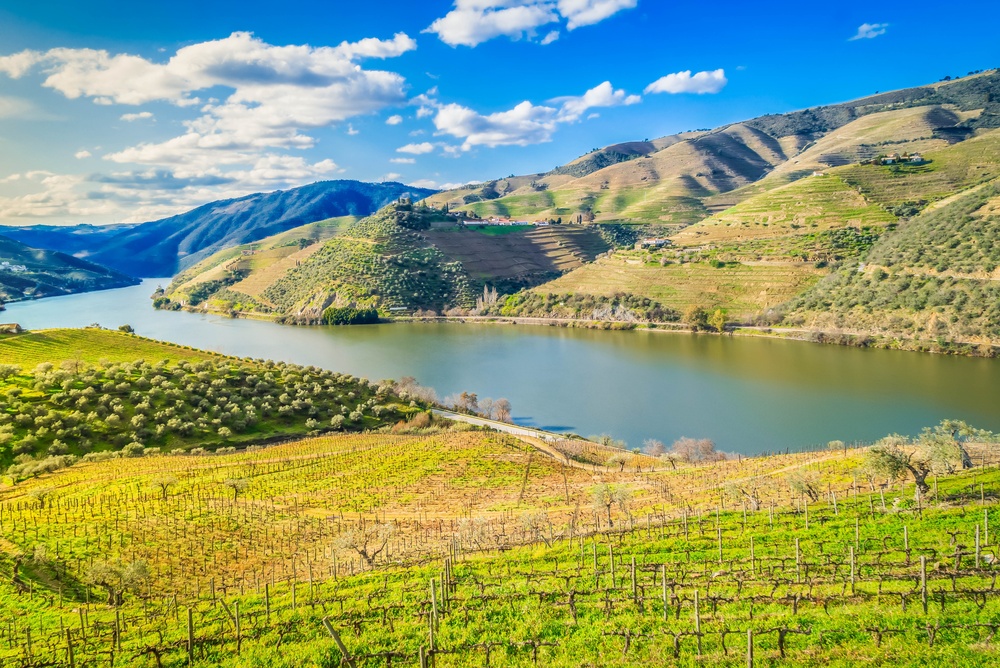
The Museu do Côa stands a few kilometers from Vila Nova de Foz Côa, on a promontory overlooking the confluence of the Côa and Douro rivers. The building, made of concrete and slate, intentionally blends with the landscape: its irregular facades adopt the color and texture of the local rock. From the viewpoint, views stretch across the neighboring Douro Valley, also a UNESCO World Heritage Site. The museum presents casts, reconstructions and thematic exhibitions that complement—without replacing—visits to the outdoor sites.
Practical information
- Guided visits mandatory: the sites can only be visited with an official guide or authorized operator, a measure essential to preserve the engravings.
- Prior reservation required: essential, as groups are kept small.
- Rates: moderate admission for the museum, separate ticket for each engraving site (budget higher for outdoor sites).
- Closed day: Monday.
- Equipment: suitable hiking shoes, hat and water in warm season. The terrain is mineral and lightly shaded.
- Duration: allow half a day per site (4x4 transfer + walk + guided tour).
When to visit
The park is open year-round, but the valley's climate is marked: hot, dry summers and cool winters. February and March are particularly appreciated by Portuguese visitors, when almond and olive trees flower in the valley. Spring (April-May) and fall (September-October) offer the most comfortable walking conditions. In July-August, temperatures can exceed 35°C on the ground.
How to get there
Vila Nova de Foz Côa is the gateway to the park. The town is connected by road to the rest of Portugal, but is no longer served by rail. From Porto, allow approximately 2.5 hours by car; from Lisbon, 4.5 to 5 hours. A car is essential to reach the museum and meeting points for visits.
Travel to the engraving sites is then by 4x4 provided by the park, followed by a hiking trail whose length depends on the chosen site.
Nearby attractions
The Côa Valley is part of a region rich in natural and wine heritage, ideal to explore over several days:
- Quinta da Avessada, an emblematic wine estate of the Porto appellation.
- The Favaios Bread and Wine Museum, to understand the rural culture of the Douro hinterland.
- Serra da Estrela and its peak Torre, the highest point of mainland Portugal.
- The Alvão Natural Park, to continue discovering the landscapes of the north.
Frequently asked questions
Frequently asked questions
To incorporate the Côa Valley into a larger itinerary, check out our Portugal travel ideas.
Interested in this visit?
We can include it in your personalised itinerary.