Complete Portugal Guide
Portugal stretches across an 850 km strip between the lush Minho in the north and the limestone Algarve in the south, yet this compact size belies a genuine diversity of landscapes and cultures. Based in Lisbon, our agency designs itineraries that blend the terraced vineyards of the Douro, the granite villages of the Serra da Estrela, the cork-oak plains of the Alentejo and the ochre cliffs of the Vicentine coast.
Two distinctive features structure the Portuguese experience. First, the sea: the Atlantic sets the rhythm, with grilled fish tables in Sesimbra or Nazaré, surf spots in Peniche and Ericeira, and ferries to Madeira and the volcanic Azores. Then the architecture: the blue azulejos of Porto, the Manueline style of Belém, the historic villages of Monsanto and Marvão, and a dense network of pousadas housed in former convents.
For a first trip, allow ten to twelve days between Lisbon, Sintra, Évora and the Douro. If you have three weeks, add the interior Alentejo, the still-unspoiled Alentejo coast and a stopover in the Azores. The country lends itself well to self-drive touring: the roads are good, distances reasonable, and charming accommodations abound outside the major cities.
The regions of Portugal
Each region has its own personality: climate, landscapes, pace of life and ways of traveling. Our local team helps you choose the combination that suits you.
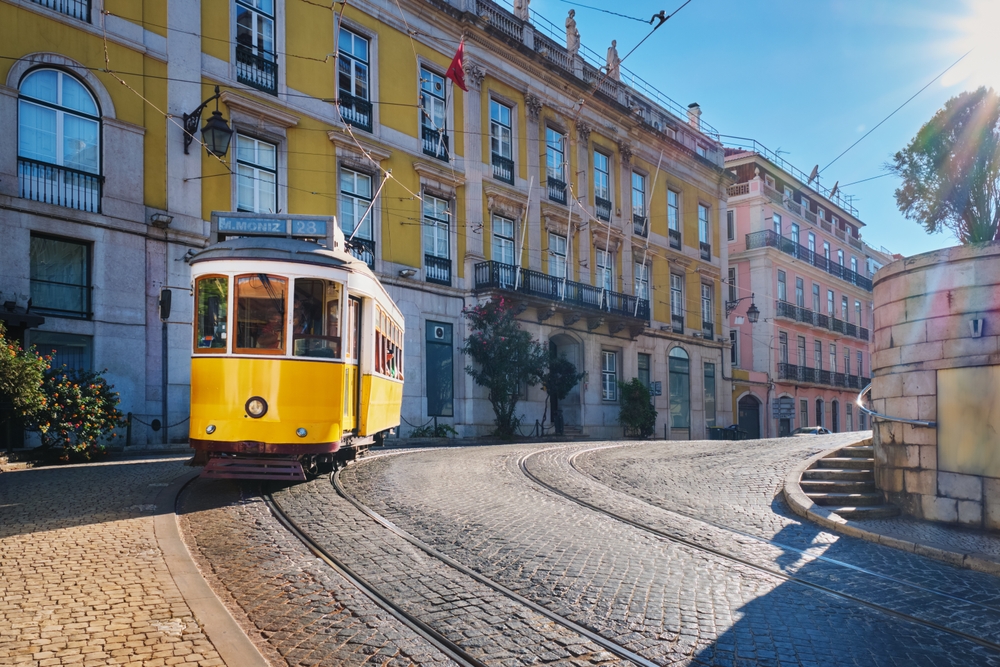
Lisbon and Sintra
The capital stretches across seven hills along the Tagus River, between the narrow streets of Alfama, the renovated Chiado district, and the converted docks of LX Factory. About 30 km west, Sintra brings together romantic palaces and humid forests in a microclimate that's 3 to 4 degrees cooler. We recommend allowing three full days for Lisbon, one for Sintra-Cascais, and booking tickets to Quinta da Regaleira and Pena Palace in advance, especially between May and September. The neighborhood gastronomy is worth exploring: tascas in Mouraria, markets in Campo de Ourique, pastéis de Belém since 1837.
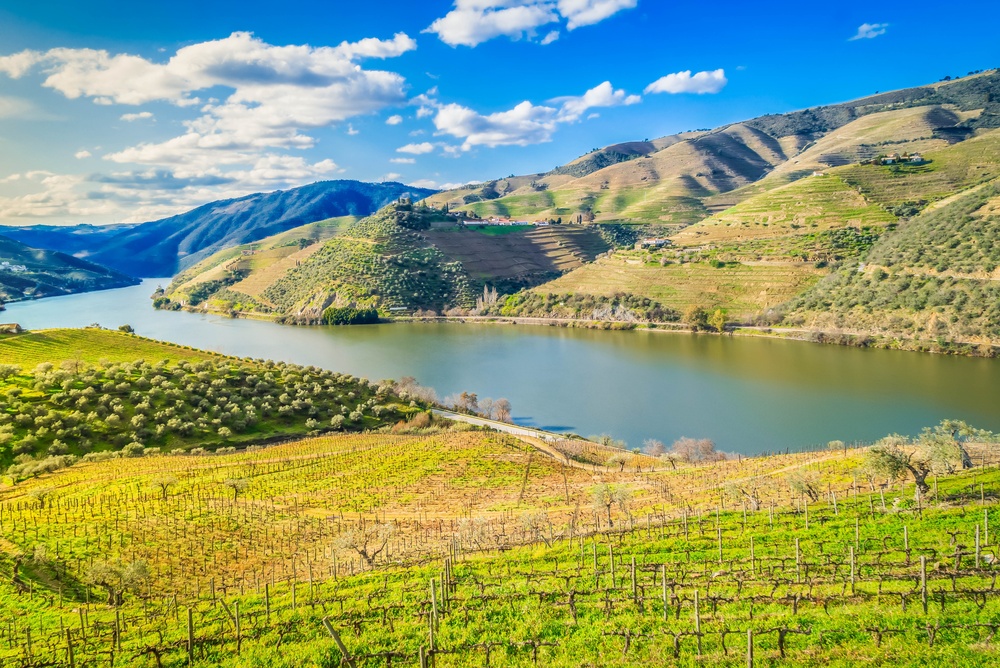
Porto and the Douro
Porto is discovered through the cellars of Vila Nova de Gaia, the Ribeira district listed as a UNESCO World Heritage site, and the Lello bookstore. An hour's drive east, the Douro Valley unfolds its terraced vineyards over 100 km, classified as a World Heritage site since 2001. The quintas around Pinhão and Peso da Régua can be visited with tastings of tawny and vintage ports. Plan for two nights there to enjoy a river cruise or a journey on the historic Douro line train. The grape harvest in September and October attracts crowds, so book early.
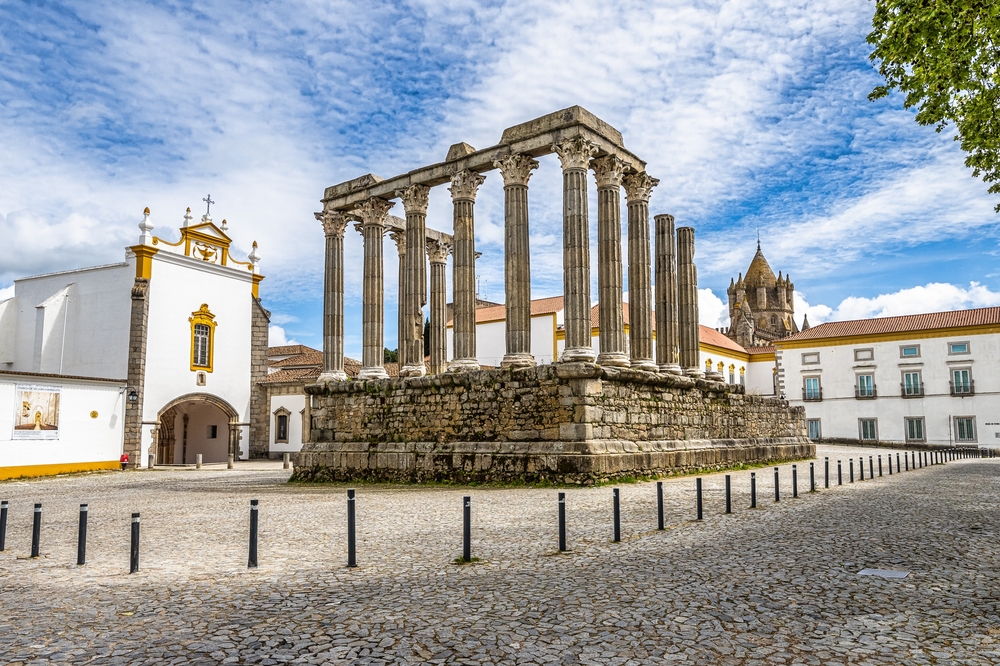
Alentejo
The Alentejo covers a third of the country but concentrates only 7% of the population. Évora, its capital, preserves a Roman temple and a chapel adorned with bones. Further east, Monsaraz overlooks the Alqueva dam lake, one of Europe's darkest skies certified as a Dark Sky Reserve. White villages such as Marvão and Castelo de Vide perch on the foothills of the Serra de São Mamede. The Alentejo coast, from Porto Covo to Zambujeira do Mar, lines pristine beaches bordered by cliffs. Summers often exceed 38 degrees, so favour May-June or September-October.
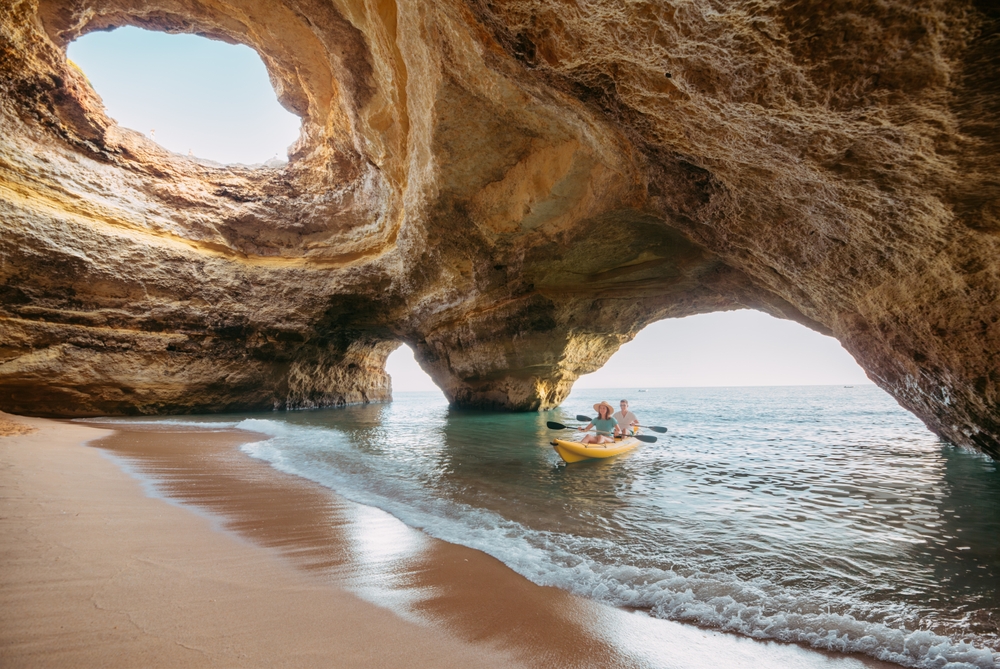
Algarve
Southern Algarve has two distinct faces. The southwest coast, around Sagres and Carrapateira, is battered by Atlantic winds and beloved by surfers. The southern coast, from Lagos to Tavira, alternates between ochre cliffs pierced with caves (Benagil, Marinha) and more family-friendly beaches. The mountainous hinterland of Serra do Caldeirão offers peaceful roads lined with orange and almond trees. We often guide our travelers toward Tavira or Olhão to escape the summer crowds in the Albufeira-Vilamoura area. Best season: April to June and September, when the sea reaches 20-22 degrees.
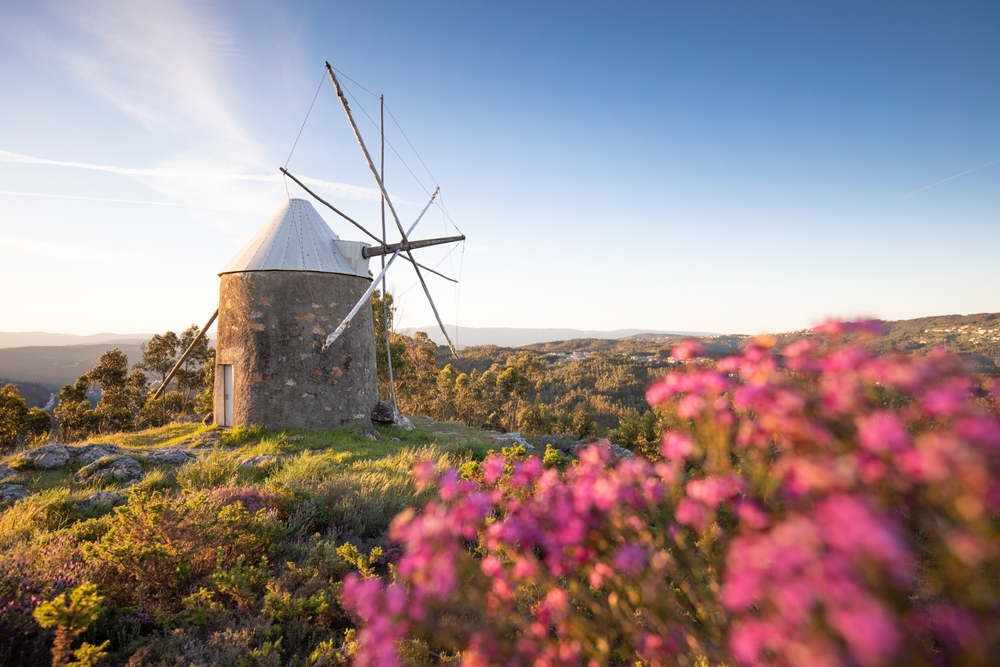
Centre and Serra da Estrela
Between Lisbon and Porto, the country's centre brings together Coimbra and its historic university founded in 1290, the historic villages of Monsanto and Sortelha built into granite, and the Serra da Estrela massif which peaks at 1993 metres. It is the only region where you can ski in Portugal in winter. In summer, the sierra offers cool hiking around glacial lagoons and Serra DOP cheese aged in mountain shelters. Aveiro and its canals, Tomar and its Templar convent, the Batalha monastery complete a dense cultural itinerary.
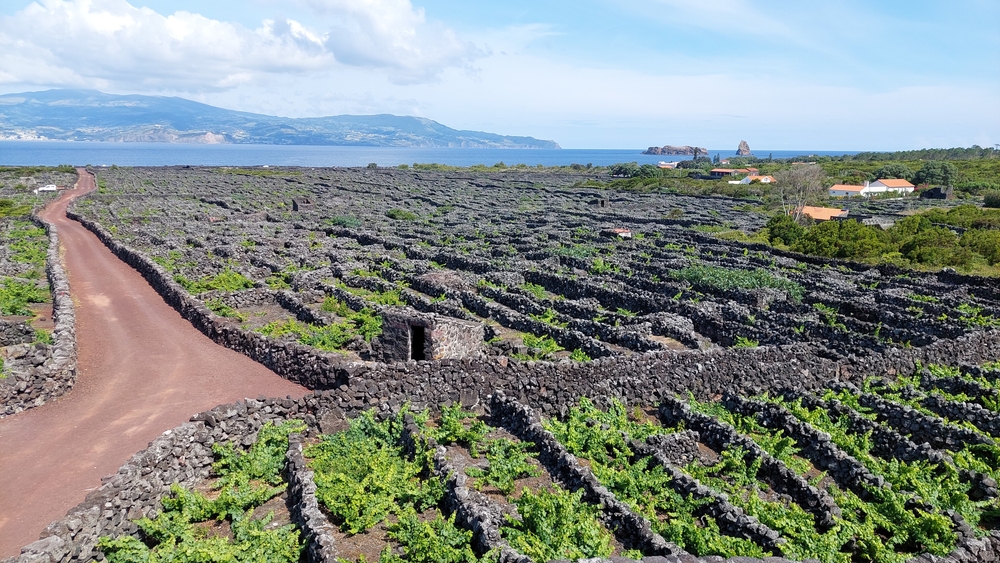
Azores and Madeira
At 1500 km offshore, the nine islands of the Azores offer a different Portugal: volcanic calderas in São Miguel, fumaroles in Furnas where cozido is cooked underground, Flores trails, and year-round whale watching. Madeira, more accessible (1.5 hours by flight from Lisbon), can be explored via its levadas—irrigation channels transformed into marked trails stretching for hundreds of kilometers. Funchal serves as a comfortable base. Temperatures remain mild year-round (16-25 degrees), but the weather changes quickly: bring several layers and sturdy hiking boots.
Explore by theme
Unique experiences tailored to every traveler.
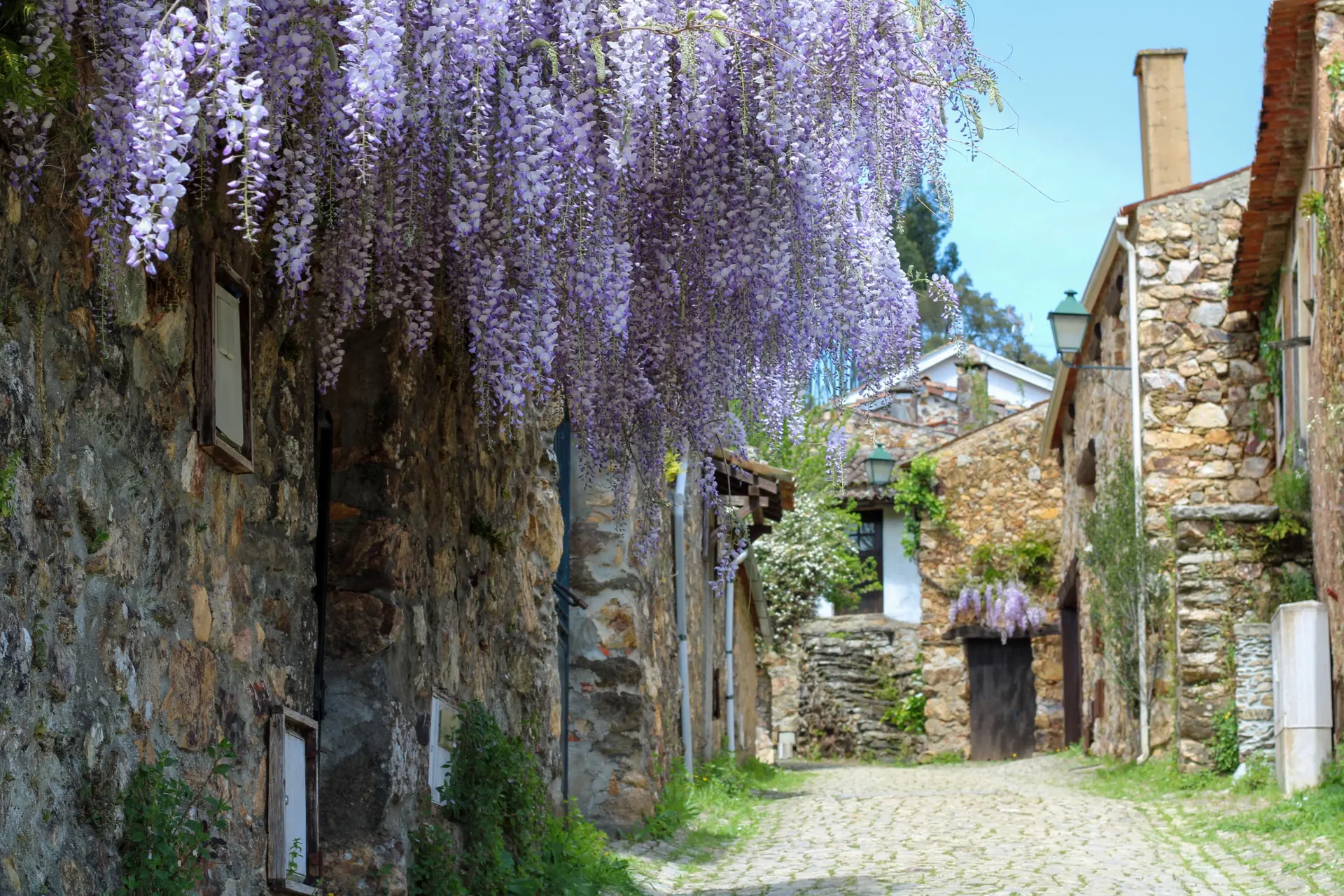
Culture & Heritage
Temples, musées, sites historiques
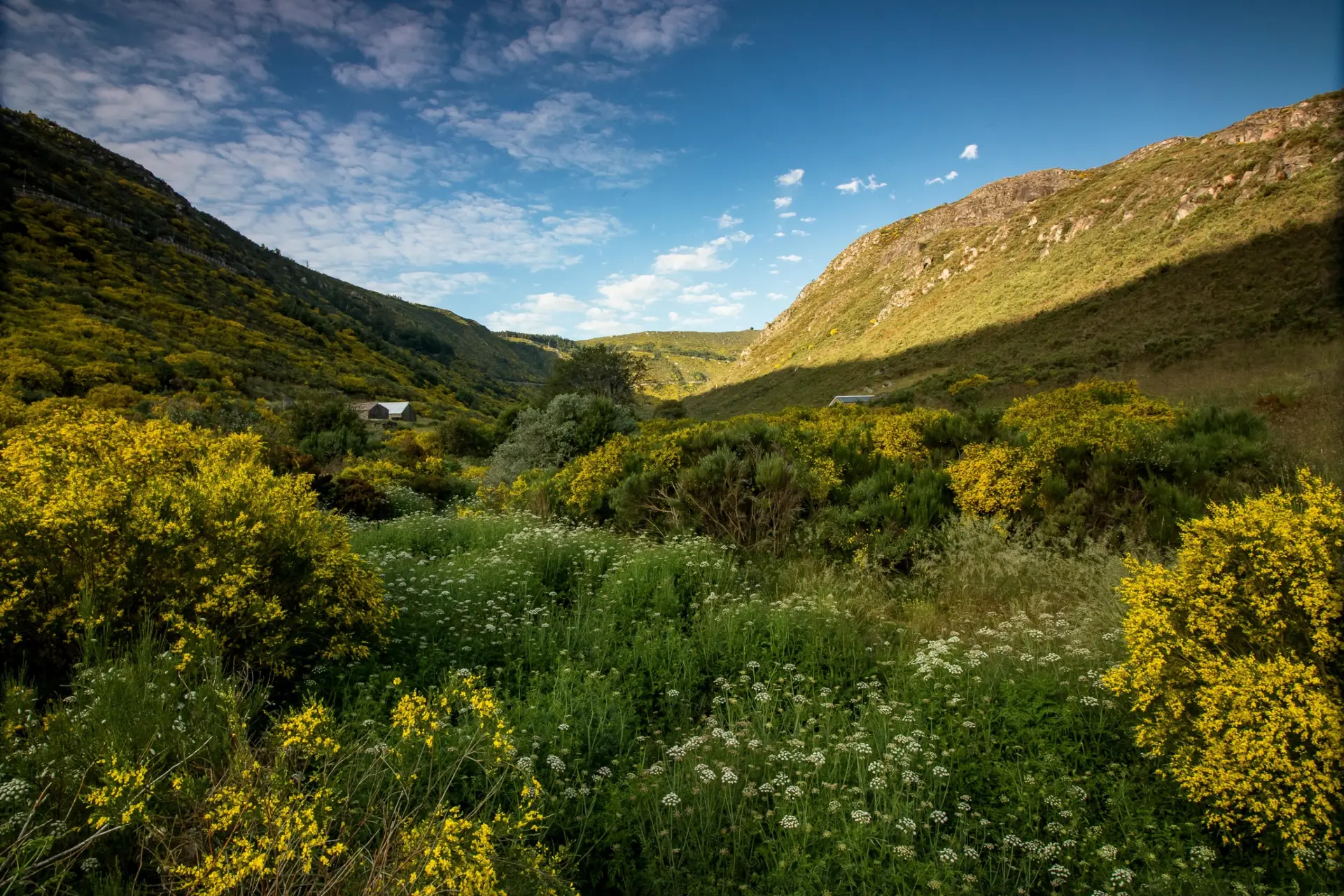
Nature & Landscapes
Parcs nationaux, montagnes, forêts
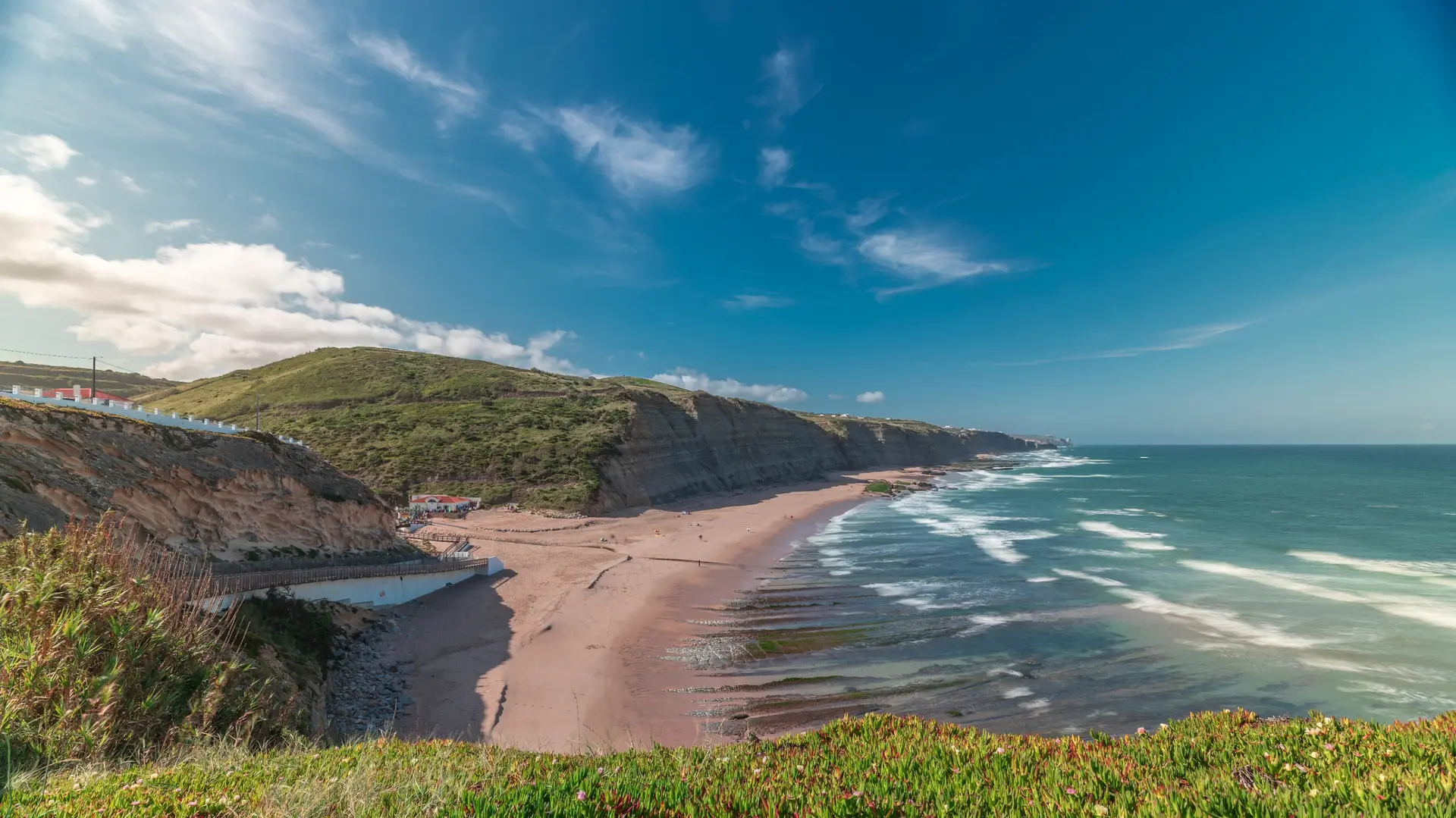
Sea & Beaches
Littoral, îles, sports nautiques
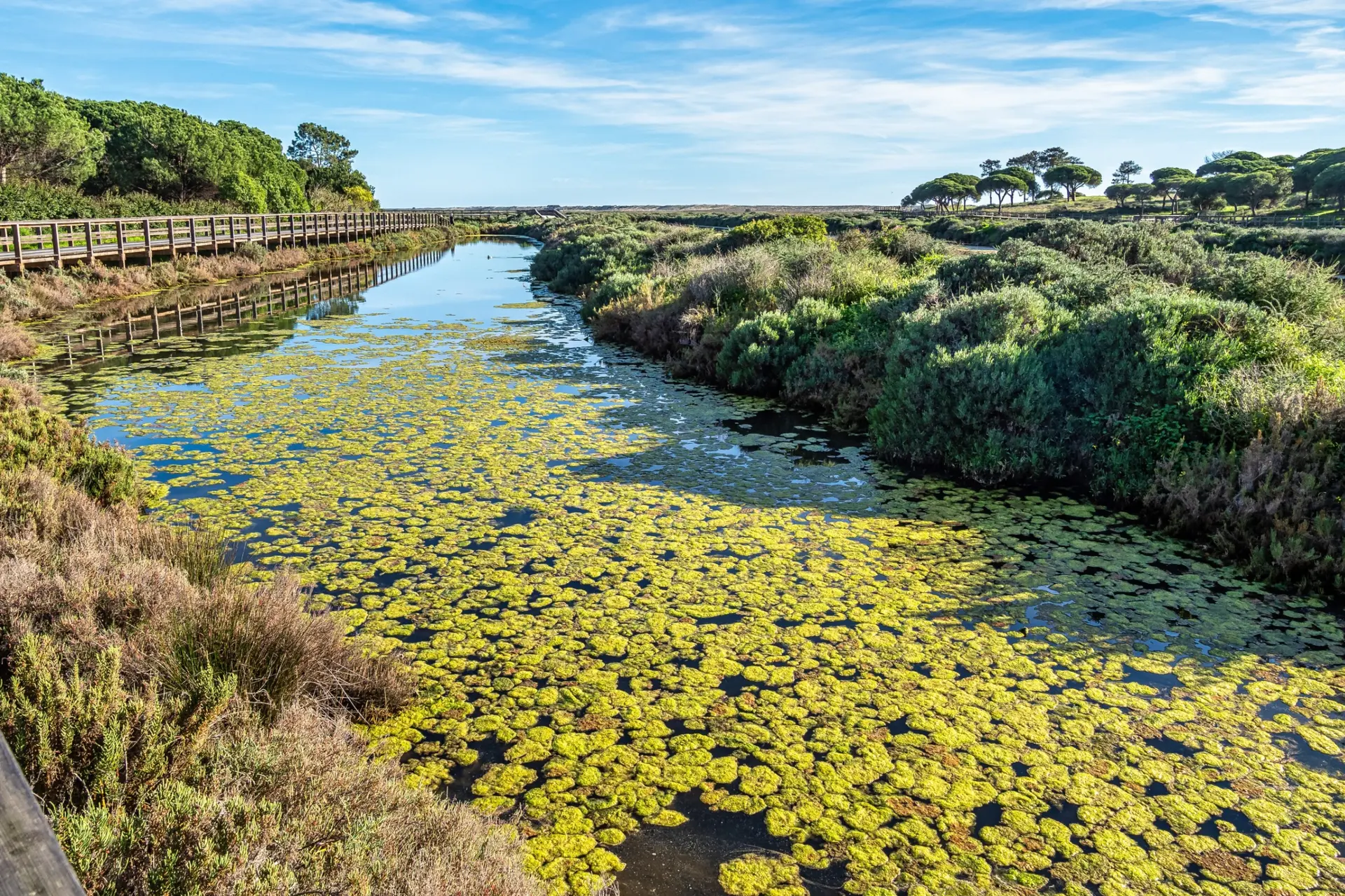
Wildlife & Biodiversity
Observation animale, sanctuaires, réserves
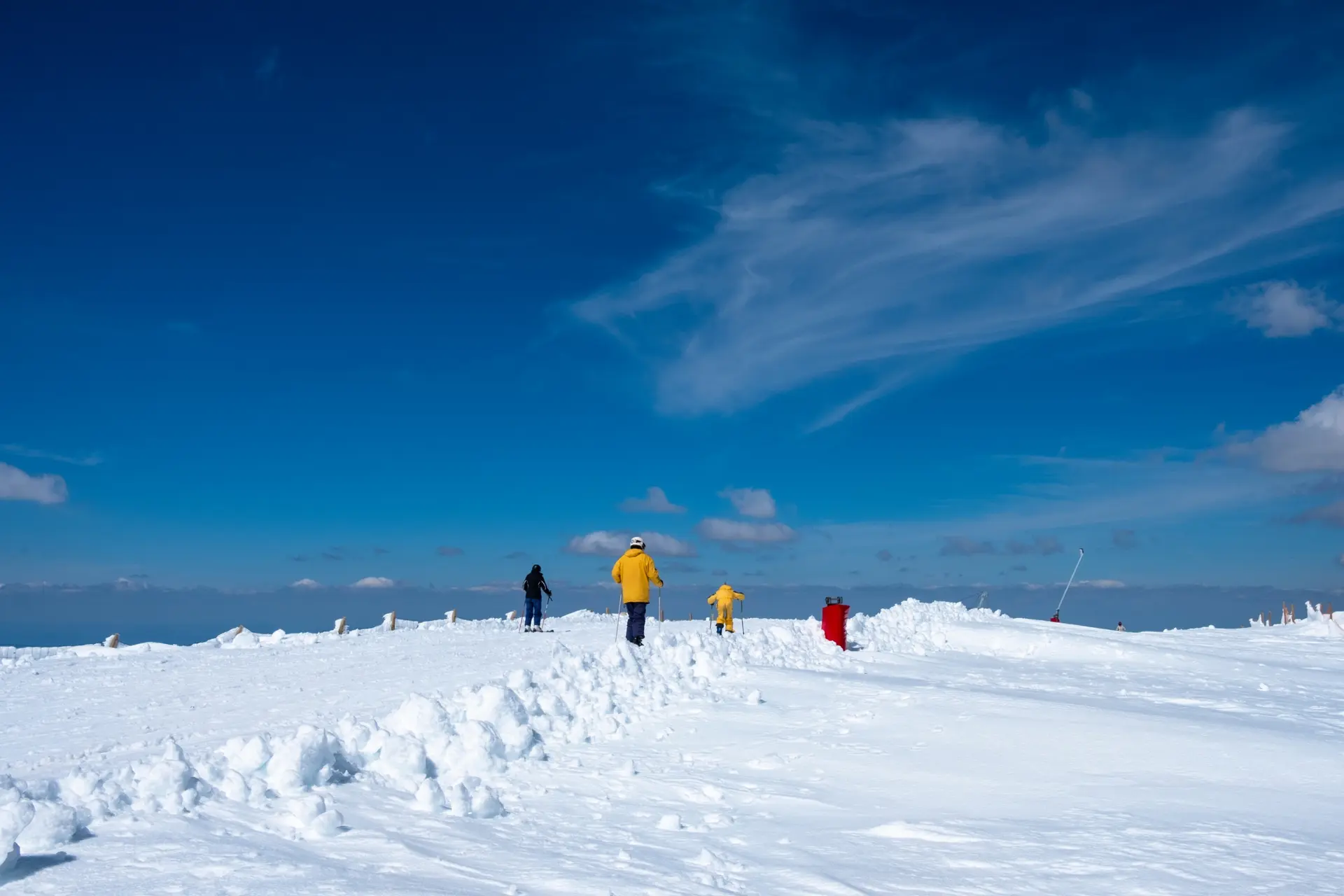
Activities & Adventure
Trek, kayak, escalade, sports outdoor
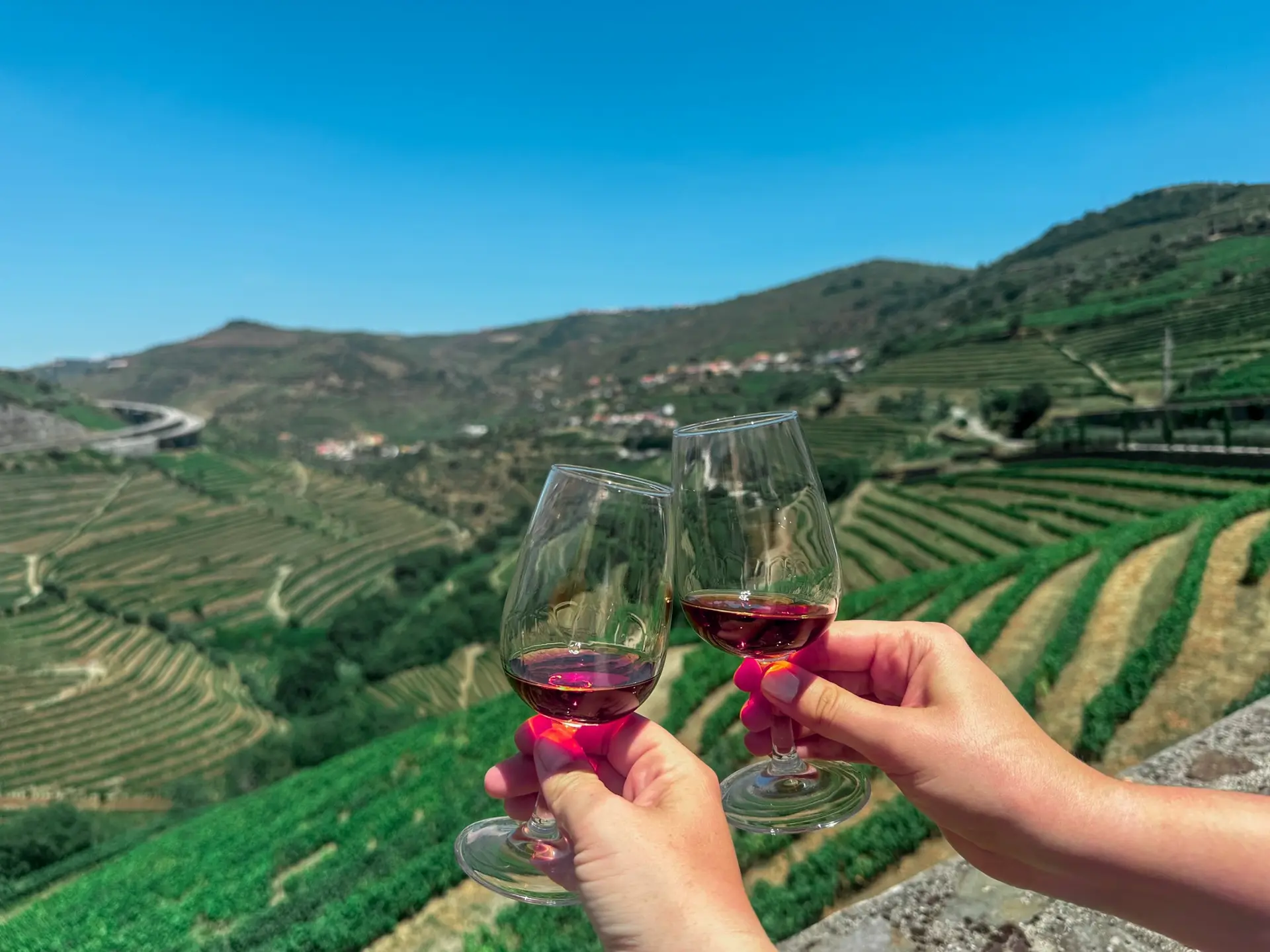
Gastronomy
Cuisine locale, marchés, cours de cuisine
We use cookies to improve your experience and measure our site's audience. You can choose what you accept. Learn more.