Lisbon and Sintra
Seven hills above the Tagus, Pombaline and Manueline quarters, and 30 km away the wooded microclimate of Sintra with its romantic palaces perched on the serra.
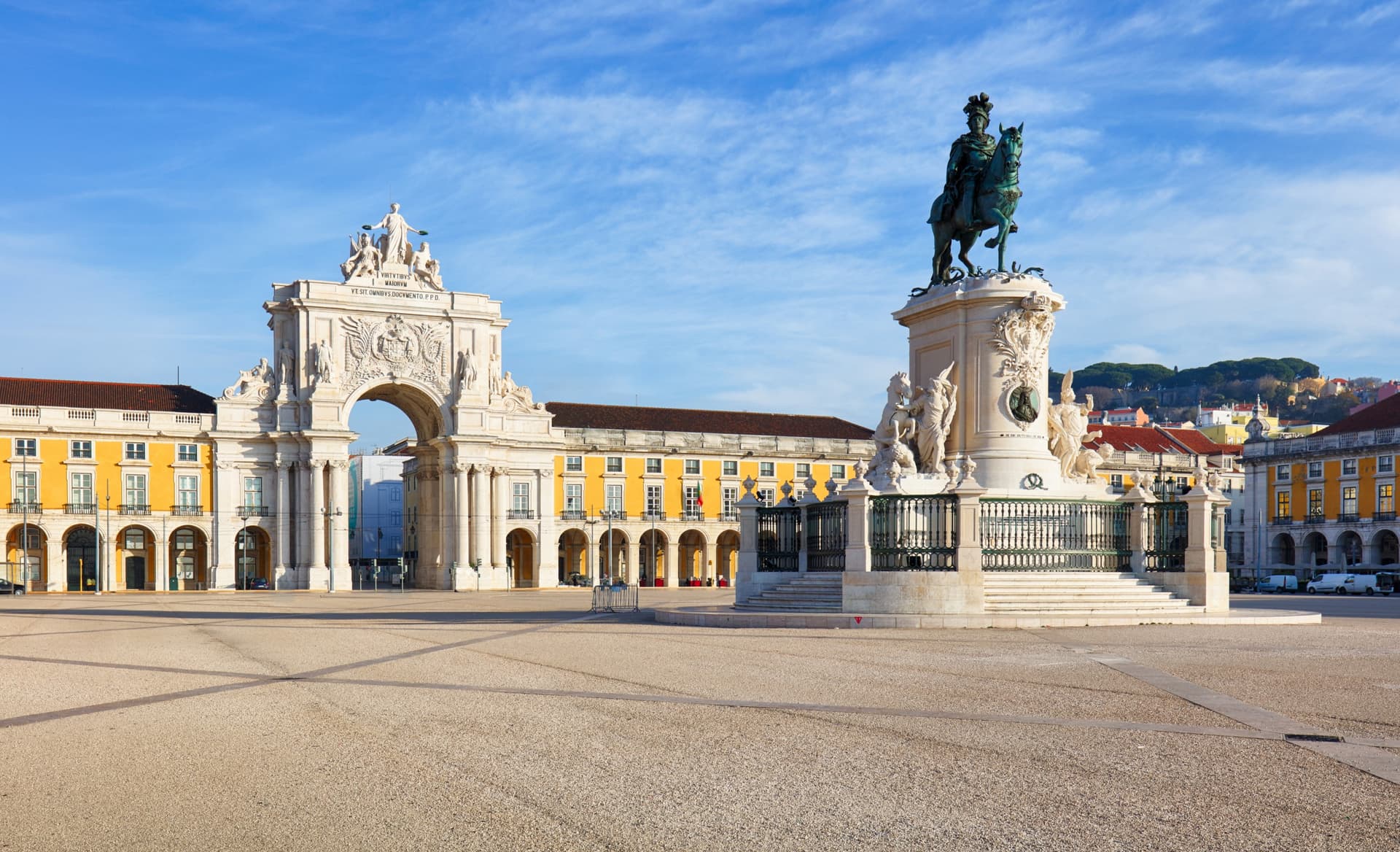
Lisbon occupies a rare site in Europe: a 14-kilometre-wide estuary where the Tagus meets the Atlantic, bordered by seven hills that impose a permanent roller-coaster walk on visitors. Our team based in the capital loves this constrained geography, because it has shaped a city where each neighbourhood retains its character. Alfama, spared by the 1755 earthquake, preserves its medieval layout and its fado vadio in the tascas of Rua dos Remédios. Chiado and Bairro Alto, rebuilt by the Marquês de Pombal after the earthquake, line their azulejo facades along an orthogonal grid descending towards Praça do Comércio.
The city today has 550,000 inhabitants within its walls, 2.8 million in the metropolitan area. Over the past decade, the redevelopment of the docks has transformed the north bank of the Tagus: LX Factory in Alcântara, a former spinning mill converted into studios and restaurants, the MAAT designed by Amanda Levete in Belém, the Oriente neighbourhood born from the 1998 World Exposition. This tension between Pombaline heritage and contemporary architecture gives Lisbon its current rhythm, with property prices that have doubled since 2015 and a historic centre emptying of residents in favour of tourism.
Neighbourhood gastronomy remains one of our favourite playgrounds. We readily send our travellers to the Campo de Ourique market, smaller and livelier than the oversaturated Time Out Market at Cais do Sodré. The tascas of Mouraria, the birthplace of fado and today the city's most diverse quarter with its Bangladeshi and Chinese shops, still serve popular cuisine for 12–15 euros a dish: bacalhau à brás, carne de porco à alentejana, arroz de pato. For pastel de nata, the Antiga Confeitaria de Belém produces according to a recipe from 1837 passed down by the monks of the neighbouring Jerónimos monastery.
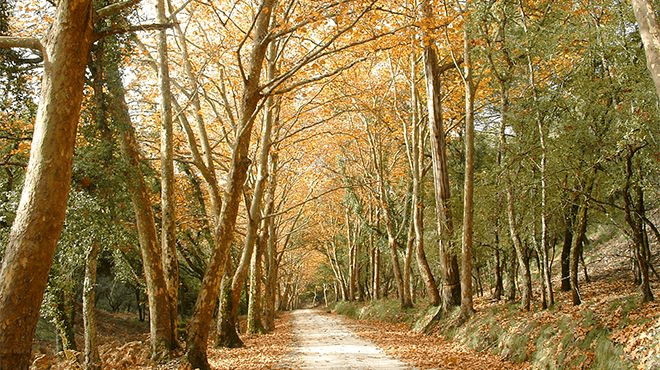
Thirty kilometres to the west, Sintra shifts registers entirely. The serra peaks at 528 metres and captures Atlantic moisture, creating a microclimate 3 to 4 degrees cooler and a dense forest of ferns, cork oaks and camellias. Portuguese kings had their summer residence here since the 14th century, and 19th-century Romanticism saturated the mountain with palaces: Ferdinand II's Pena with its garish colours at the summit, Quinta da Regaleira with its Masonic initiation wells, Monserrate palace with its Mughal architecture. Lord Byron spoke of "glorious Eden" in 1809, and the phrase has endured.
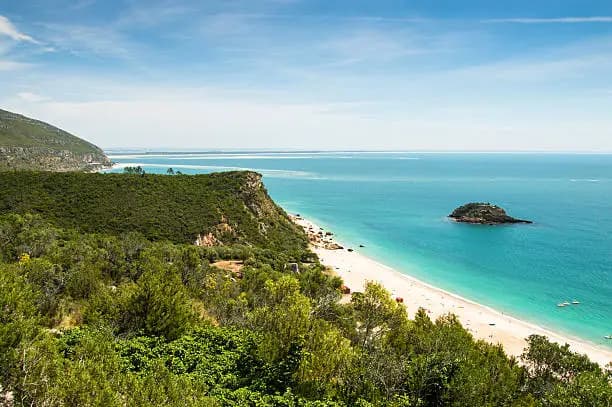
The coastline completes the picture. Cascais, a former fishing village that became a seaside resort for the Portuguese court from 1870 onwards, retains a pleasant old town outside the season. Further north, Cabo da Roca marks the westernmost point of the European continent, swept by winds that prevent swimming. The beaches of Guincho and Adraga, wild and dramatic, attract surfers and hikers; those on the Caparica coast, south of the Tagus, offer 15 kilometres of accessible sand just 25 minutes from the centre via the 25 April bridge.
Culturally, Lisbon concentrates a rare museum density: the Calouste Gulbenkian Foundation with its collection spanning from ancient Egypt to Lalique, the National Azulejo Museum housed in a 16th-century convent, the Museum of Ancient Art for Portuguese primitives and Nanban screens brought back from Japan in the 16th century. It is this layering of eras, from Manueline convents to Vhils street art, that justifies, in our view, spending three full days in the capital before any journey to Sintra or elsewhere.
Must-see
Alfama and Mouraria fado. Walk down from Castelo de São Jorge to the Tagus through Alfama's narrow streets, then an evening in a Mouraria tasca where fado is still sung without microphones, between two plates of cod.
Quinta da Regaleira and Pena Palace. A day in Sintra descending into the 27-metre initiation well at Regaleira, then climbing to Pena via the wooded park trails, 200 metres of elevation gain through ferns and sequoias.
Belém, from Manueline to contemporary. The Jerónimos monastery and Belém Tower, Unesco-listed for their 16th-century Manueline architecture, just 800 metres from the MAAT and its white ceramic dome designed by Amanda Levete.
Cabo da Roca and Guincho beach. The westernmost point of the European continent, 140 metres of cliffs above the Atlantic, followed by grilled fish lunch facing the dunes of Guincho buffeted by the northeast wind.
National Azulejo Museum. Five centuries of Portuguese glazed tiles in the former Madre de Deus convent, with a panoramic 23-metre panel depicting Lisbon before the 1755 earthquake.
When to go
We recommend April to June and September to mid-October. Temperatures in Lisbon range between 18 and 26 degrees during the day, the sky remains largely clear and the low-angle light that gives the city its ochre tones is at its best. July and August reach 30–33 degrees, bearable thanks to the Atlantic breeze but taxing for urban walking, and crowds at Sintra's sites mean two-hour waits without reservation. The Festa de Santo António on 12–13 June animates Alfama with grilled sardines and street dances: it's busy but worth seeing.
From November to March, Lisbon drops to 8–15 degrees with serious rainy spells in December and January, around 100 mm monthly. Sintra, even more humid with its 1,200 mm annually, takes on a misty atmosphere that suits the romantic palaces well but closes some park trails. The Cascais coast remains passable year-round for walking; swimming is limited from mid-October onwards, with water temperatures not exceeding 17 degrees.
Practical advice
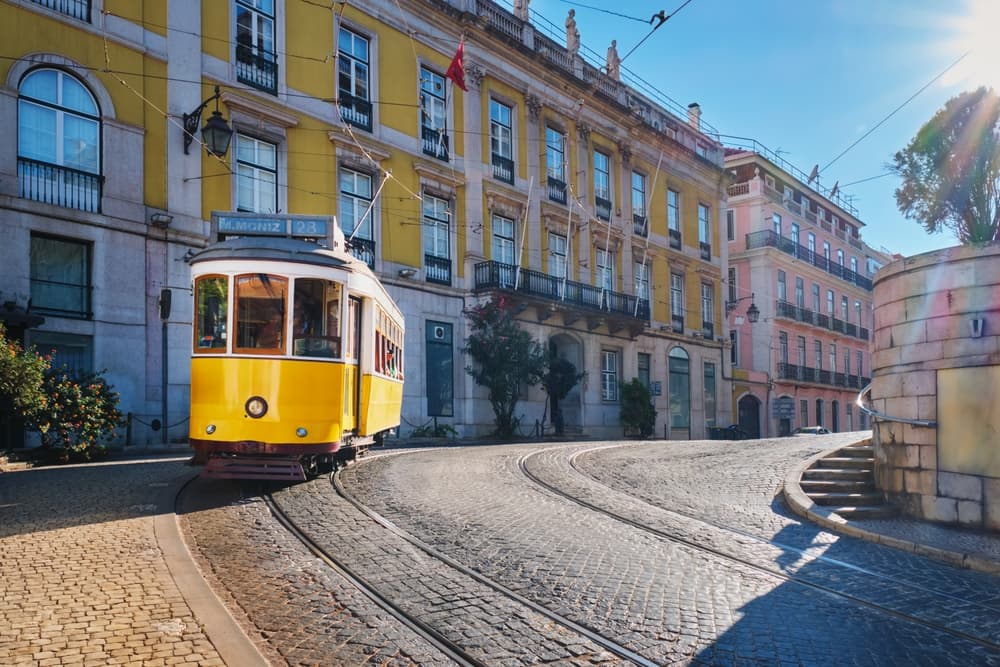
We recommend a minimum of four full days: three for Lisbon proper and Belém, one for Sintra and Cascais as a loop. Five days allow you to add the Caparica coast to the south or the Arrábida peninsula for a nature day. Humberto Delgado Airport is 7 km from the centre, connected in 20 minutes by metro line red. Driving within the city is inadvisable—narrow streets and difficult parking make tram 28, metro and walking far more efficient. For Sintra, we favour the train from Rossio, 40 minutes, or a driver if you want to chain Sintra–Cabo da Roca–Cascais in a day.
The region logically combines with the Alentejo to the south, accessible in two hours' drive via Évora, to add rural contrast and very different cuisine. Heading north, allow three hours to Porto and the Douro, ideally connected by express train from Santa Apolónia. Hotel comfort levels are high, from renovated palacetes in Príncipe Real to quintas in Sintra. Lisbon suits all profiles, but travellers sensitive to cobblestones and uphill walks should bring suitable shoes: the city demands to be explored on foot, and funiculars cover only part of the elevation gains.