Favaios Bread and Wine Museum
Favaios Bread and Wine Museum
In Favaios, in the Douro Valley, this museum created by locals celebrates two local traditions: four-cornered bread and Moscatel wine.
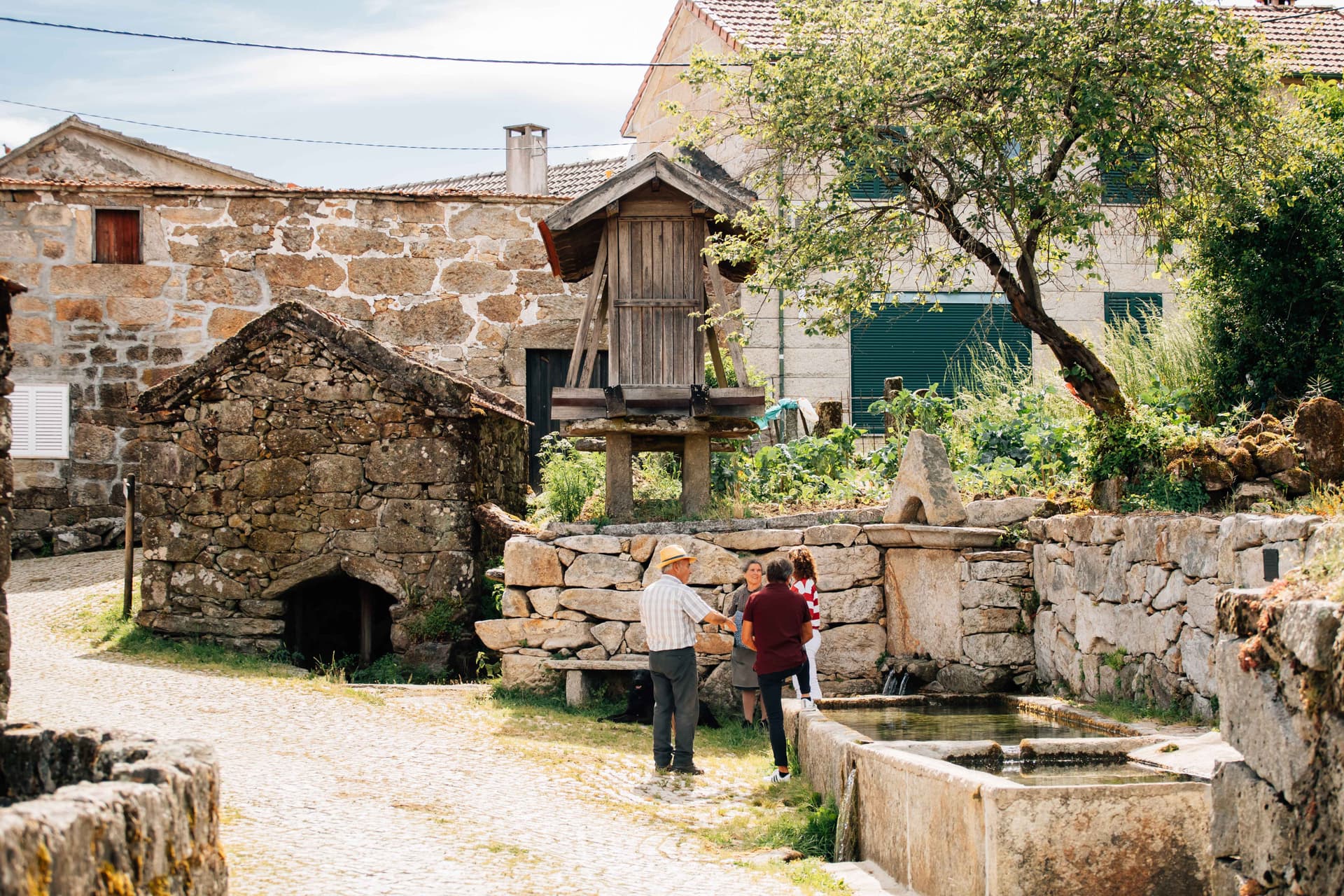
The Favaios Bread and Wine Museum, in Portuguese Núcleo museológico Favaios, Pão e Vinho, occupies an 18th-century building in the heart of Favaios village, a civil parish in the municipality of Alijó, in the Douro Valley. Born from an initiative by the locals themselves, the place tells the story of two crafts inseparable from this wine-growing region: the four-cornered bread typical of the village and Moscatel, a sweet wine that made Favaios famous.
Why visit the Favaios Bread and Wine Museum
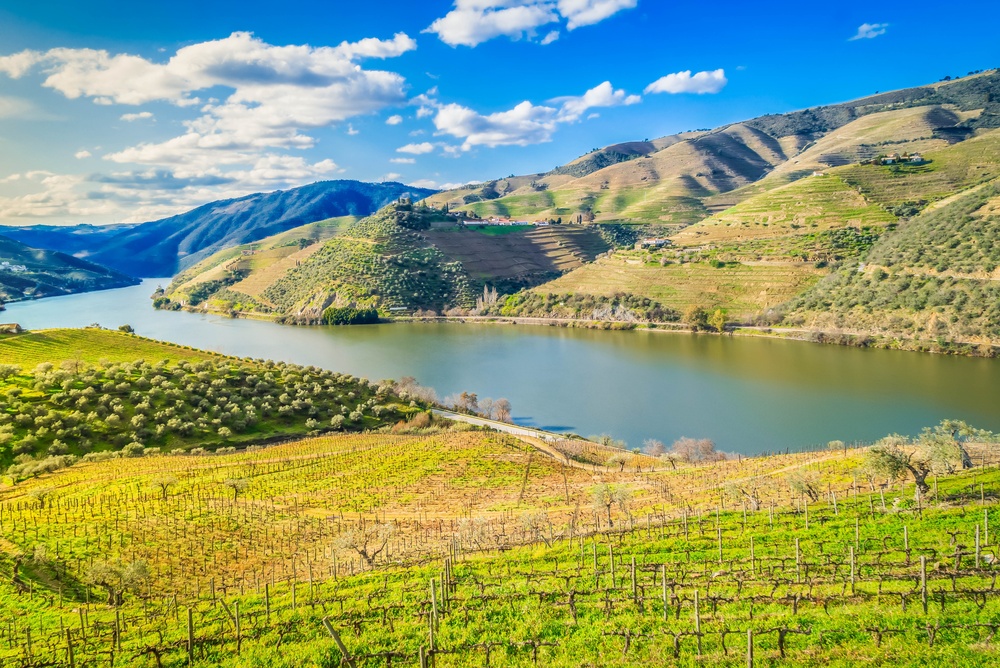
This museum stands out for its dual approach, both ethnographic and gastronomic. Unlike the major Douro quintas that focus on port wine, Favaios highlights another wine identity—that of Moscatel—and pairs it with a unique bread-making tradition. The visit concludes with a tasting on the balcony, overlooking the terraced vineyards of the wine valley, allowing you to grasp the coherence of an entire terroir in just a few hours.
The project was born from a collective initiative: it was the people of Favaios who wished to preserve their traditions and the memory of their products, giving the place a rare community dimension among museums in the region.
History of the building and museum
The museum occupies an 18th-century building that locals simply call Obra, which means "work" or "building" in Portuguese. This building was originally intended to become the manor of the Leite Ribeiro family, but its construction was never completed. The unfinished structure eventually found new purpose in the 21st century when Favaios residents converted it into their bread and wine museum.
The choice is not arbitrary: preserving a heritage building to present intangible heritage—the gestures of bread-making and wine-making—gives the place a strong coherence between container and content.
What to see and do here
The museum layout is organized around two main themes.
Four-cornered bread
An emblematic bakery specialty of Favaios, this bread is recognizable by its square shape and four points. It is presented through tools, traditional ovens, and the stages of production. The dedicated room explains why this particular shape has endured in the village.
Moscatel wine
The other half of the museum traces the cultivation of Moscatel galego grapes, their pressing, fortification, and aging. Cellar tools, ancient presses, and explanations of the Moscatel do Douro appellation help you understand what makes this sweet wine distinct from the port produced further west.
The tasting
The visit concludes on the museum's balcony, where a tasting of bread and Moscatel is offered overlooking the Douro Valley. It's one of the most appreciated viewpoints of the tour.
Practical information
- Duration: allow approximately 1 hour, including the tasting.
- Admission: very modest entry fee, one of the most affordable museums in the Douro region.
- Hours: open daily during season, covering morning and afternoon. Check updated hours before visiting, especially outside peak season.
- Languages: signage in Portuguese and English.
When to visit Favaios
The most meaningful period to understand the territory is late summer and early autumn, at the time of Moscatel grape harvest, generally between late August and September. The village comes alive around cooperative wineries. Spring offers green hillsides and mild weather, more comfortable for driving on Douro's winding roads. Winter is accessible but some facilities may operate on reduced hours.
How to reach Favaios
Favaios is not served by a railway station and a car remains the most convenient option. The village can be reached in 30 to 45 minutes from Pinhão (the closest station in the vineyard Douro), via road N322-2 which climbs to the wine plateau. From Porto, allow approximately 2 hours of driving via Vila Real or Régua. Access by public transport is possible but requires combining train to Pinhão or Régua, then taxi or shuttle.
Nearby
The museum fits naturally into a broader itinerary in the Douro Valley and northern Portugal:
- Quinta da Avessada, just minutes from Favaios, offers a complementary wine experience centered on Moscatel.
- Alvão Natural Park, accessible from Vila Real, provides a contrasting landscape with its waterfalls and mountain villages.
- Nave Mestra extends your discovery of regional heritage.
- For more thematic museums, Museu do Caramulo offers another perspective on Portuguese material culture.
Plan your trip
A stop at the Favaios Bread and Wine Museum makes perfect sense during a circuit through the Douro Valley, between tastings at quintas, river cruises, and hilltop villages. To build an itinerary combining these stages, explore our Portugal travel suggestions.
Interested in this visit?
We can include it in your personalised itinerary.