Porto and the Douro
Porto and the Douro wine valley, 200 km of terraced vineyards on schist slopes UNESCO-listed, where Atlantic city meets continental hinterland.
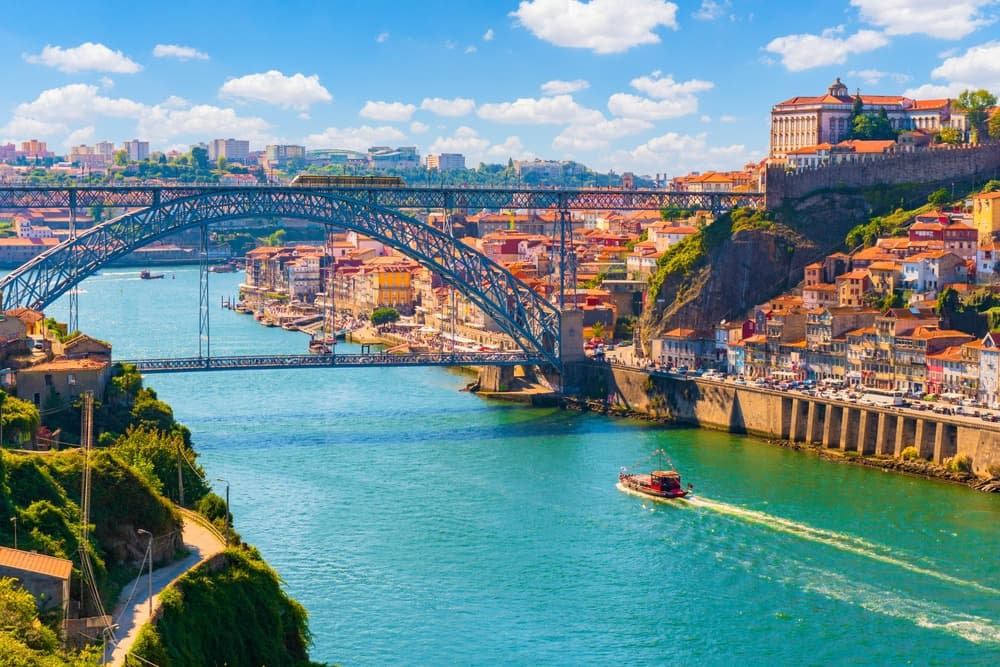
Porto occupies the north bank of the Douro six kilometres from its Atlantic mouth. The city rose on steep slopes, which explains its layered structure: the Sé cathedral and the medieval Ribeira quarter at the base, nineteenth-century avenues around Avenida dos Aliados on the plateau, and the commercial arteries of Cedofeita and Bonfim further east. We always recommend arriving on foot across the upper deck of the Dom-Luís I bridge, designed by a student of Gustave Eiffel: the view of the Vila Nova de Gaia wine lodges on the south bank immediately conveys the measure of the urban landscape.
The city remains deeply tied to Port wine, but economic activity has diversified since the 2000s toward high-end textiles, digital industries, and tourism. The residents, known here as tripeiros after tripe in the Porto style, the emblematic local dish, cultivate frank speech and assured regional pride toward Lisbon. The francesinha, a hot sandwich topped with beer and chilli sauce, is eaten in cervejarias like Café Santiago or Brasão. For sightseeing, the Lello bookshop draws crowds for its neo-gothic staircase, but we often guide our travellers toward São Bento station and its 20,000 azulejo tiles telling the story of Portugal, or the Palácio da Bolsa with its Arab Salon.
Vila Nova de Gaia, on the other bank, concentrates around fifty wine lodges: Taylor's, Graham's, Sandeman, Ramos Pinto, Cálem. Port ages here before shipment, in keeping with an arrangement inherited from the 1703 Methuen Treaty between Portugal and England. A visit with tasting of 10 or 20-year tawny, ruby and vintage takes about 1h30, and we recommend combining two within the same half-day to compare styles.
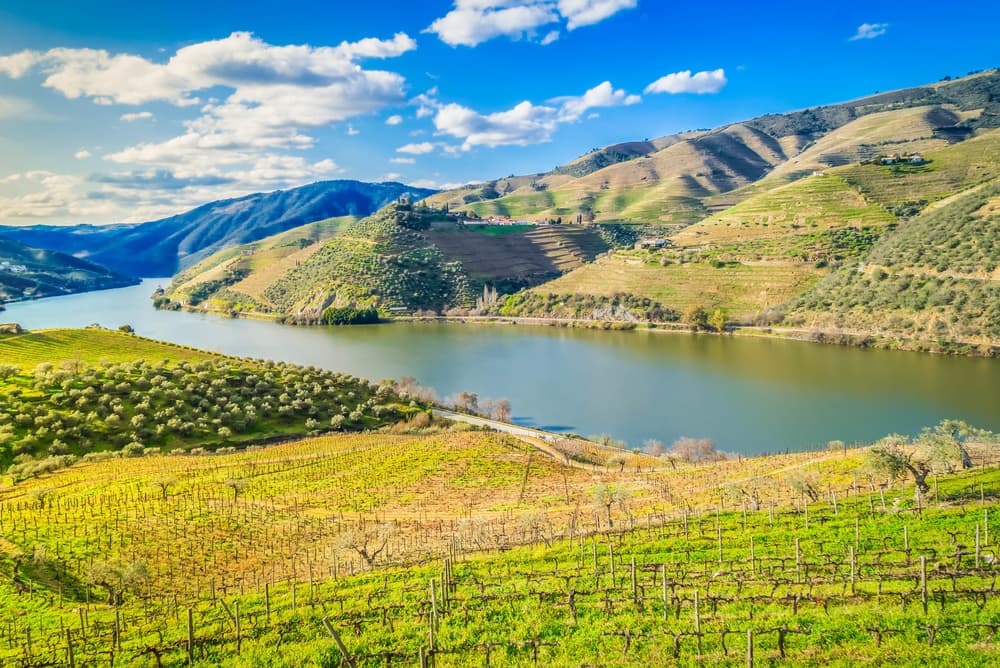
East of Porto, the Douro valley stretches nearly 200 kilometres to the Spanish border. The wine region delimited in 1756 by the Marquis of Pombal, one of the world's oldest controlled appellations, has been UNESCO-listed since 2001 for its cultural landscapes. Terraced vineyards, supported by hand-built schist walls, climb slopes at 30 to 40 degrees. The poor, well-draining schist soil forces roots deep and gives the grapes their concentration. The dominant varieties, touriga nacional, touriga franca, tinta roriz, tinto cão, serve both Port production and Douro DOC dry wines, which have gained recognition over the past twenty years.
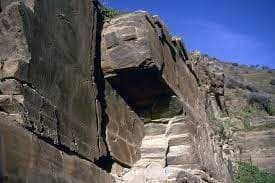
Three sub-regions structure the valley: the Baixo Corgo around Peso da Régua, more humid and productive, the Cima Corgo around Pinhão, heart of the great quintas, and the Douro Superior toward Foz Côa, more arid and wild. It is also at Foz Côa that the Palaeolithic rock carvings of the Côa archaeological park are found, dated to 22,000 years ago and UNESCO-listed. The quintas open to visitors (Quinta do Seixo, Quinta do Bomfim, Quinta Nova, Quinta de la Rosa) offer tastings, lunches and overnight stays in converted former lodges. To grasp the landscape's scale, we always combine driving with a journey on the historic Douro railway line between Régua and Pinhão, where the rails hug the north bank, and a few hours' cruise to traverse a lock.
To discover
Vila Nova de Gaia wine lodges. Visit and comparative tasting in two merchant houses, passing through the lodges where tawny casks and vintage bottles laid down for decades age side by side.
Douro railway line. 1h15 journey between Peso da Régua and Pocinho in carriages that hug the riverbank, pass through around twenty tunnels and reveal the terraces from the water.
Quintas around Pinhão. Lunch with a view over terraced vineyards from the Casal de Loivos viewpoint, then vertical tasting in a family quinta of the Cima Corgo.
Rock carvings at Foz Côa. Open-air Palaeolithic site in the Douro Superior, guided tour by 4x4 along the Côa banks to approach panels carved 22,000 years ago.
São Bento station and Ribeira in Porto. Hall covered with 20,000 azulejo tiles signed by Jorge Colaço, then descent on foot through the Ribeira alleyways to the quays where the barcos rabelos dock.
When to go
We recommend the window from May to mid-June and from mid-September to mid-October. Temperatures in Porto oscillate between 18 and 25 °C, Atlantic humidity remains manageable, and the Douro valley, more continental, rarely exceeds 28 °C. July and August see the thermometer regularly surpass 35 °C in the Cima Corgo and Douro Superior, with days of 38 to 40 °C that make quinta visits uncomfortable in the afternoon. The harvest period, last week of August to mid-October depending on varieties and altitude, remains our favourite season to capture quinta activity, but accommodation books six to nine months ahead.
From December to February, Porto receives 120 to 150 mm of rain per month and days are short. The interior Douro experiences mornings of 2 or 3 °C with persistent fogs in the valley bottom, which limits cruises and closes part of the quintas. March and April remain variable: almond blossoms in the Douro Superior late February, but frequent showers over Porto.
Practical advice
Allow a minimum of four nights for the combination: two in Porto for the city and Gaia lodges, two in the Douro valley to visit two or three quintas, take the historic train and cruise for half a day. Francisco Sá Carneiro airport, 15 minutes from Porto's centre, serves Paris, Lyon, Brussels, Geneva and Montreal directly. A car remains the most practical means to reach the valley via the A4 then the N222 between Régua and Pinhão, a road ranked among Europe's finest for its hairpin bends above the river. For those not wishing to drive, we arrange private transfers and return by train from Pinhão.
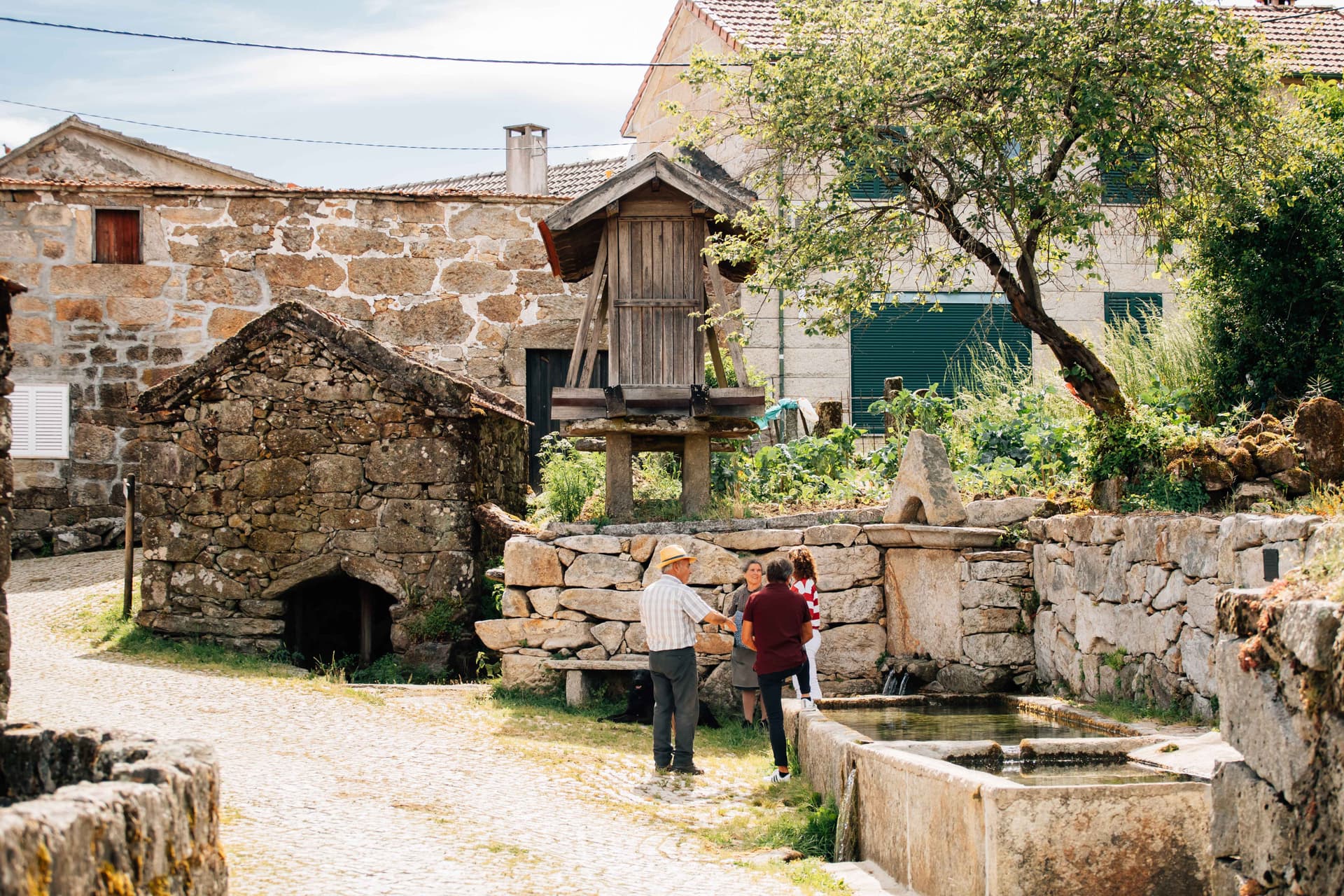
The region suits contemplative travellers, wine enthusiasts and couples well. Families with young children will find less to engage them than in the Algarve, unless prioritising cruises and quintas with pools. The natural combination is with Lisbon and Sintra (3 hours direct Alfa Pendular train from Porto Campanhã), or with the Centre and Serra da Estrela heading back via Viseu and Guarda, allowing you to chain vineyards, granite mountain and historic villages over ten to twelve days. Hotel comfort ranges from family guesthouses in quintas to 5-star establishments like Six Senses Douro Valley or Vintage House in Pinhão.