Vila Nova de Foz Côa
Vila Nova de Foz Côa
Vila Nova de Foz Côa, in Portuguese Trás-os-Montes, is your base for exploring the UNESCO-listed Côa Valley Archaeological Park and its rock engravings dating back 20,000 years.
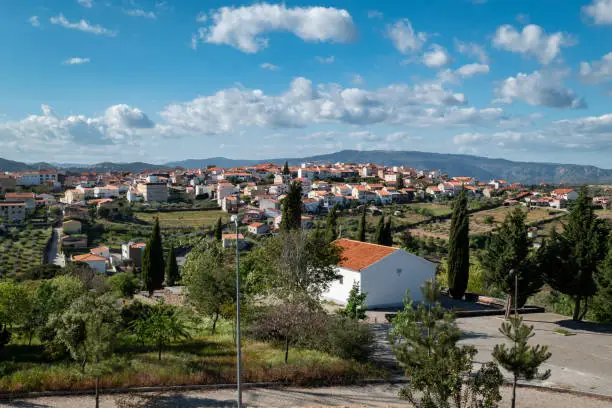
Vila Nova de Foz Côa is a small town in northeastern Portugal, in the Upper Douro region. Its worldwide renown stems from the Paleolithic rock engravings of the Côa Valley Archaeological Park, inscribed on the UNESCO World Heritage list since 1998. Perched among vineyards and slate, the town serves as a gateway to the wine-producing Douro and a rarely visited Transmontane countryside.
Practical information at a glance
- Access: car recommended — the town is approximately 180 km from Porto and 340 km from Lisbon.
- Suggested duration: 1 to 2 days to combine the town and archaeological park.
- Attire: hiking shoes essential for the park trails.
- Season: spring and autumn to avoid the intense heat of Transmontane summers.
What to see
The town center preserves sober granite and slate architecture, typical of Trás-os-Montes. The medieval tower (Torre de Menagem) dominates the upper town. The Museum of Art and Archaeology of the Côa Valley (MAVC), opened in 2010, presents rock engravings in scientific and cultural context, with high-quality models and reproductions.
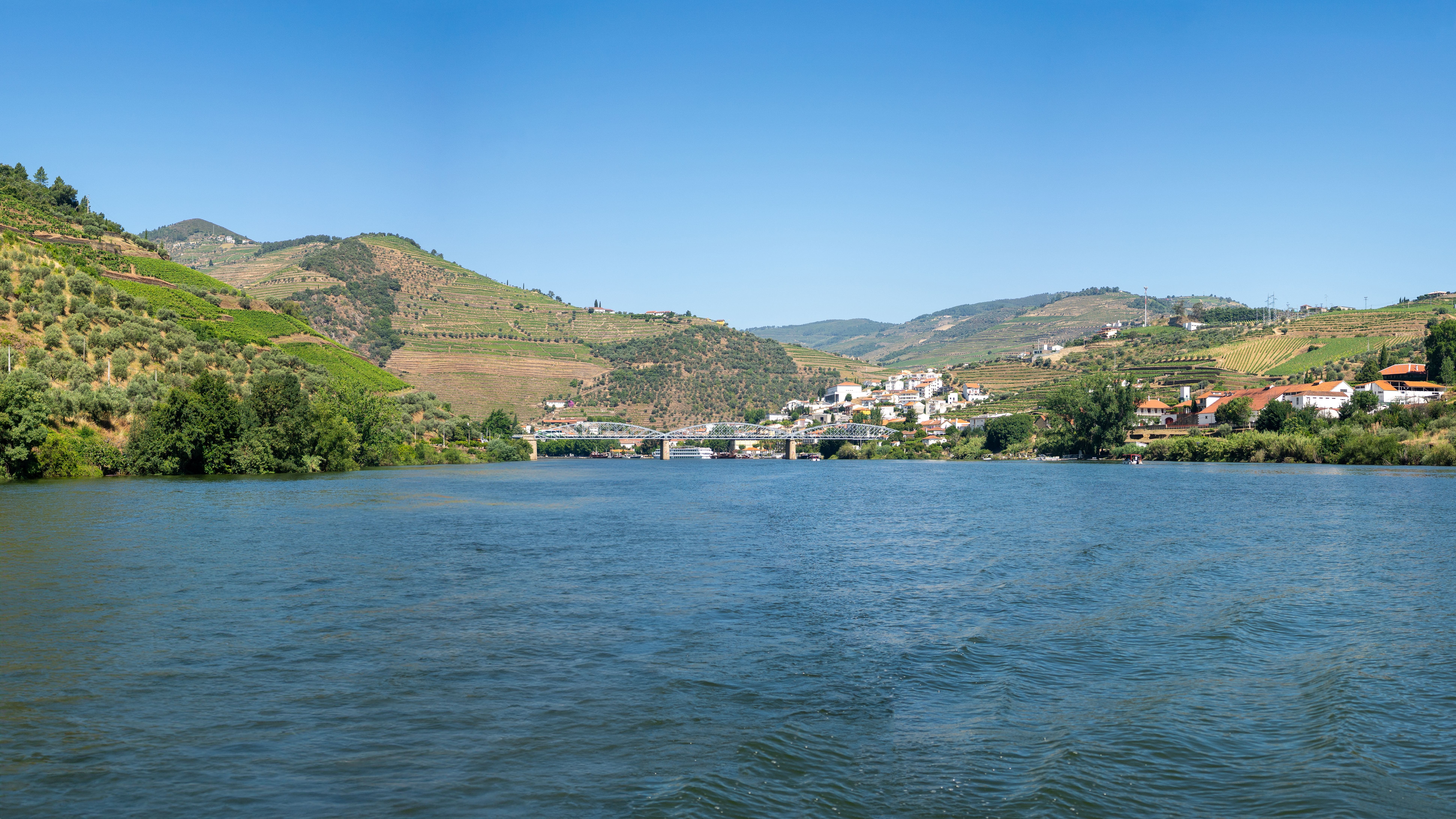
Around the town, terraced vineyards produce Douro and Douro Superior wines. The steep Côa valley offers landscapes of red slate and Mediterranean vegetation.
History and context
The region has been inhabited since the Upper Paleolithic, over 20,000 years ago. The Côa engravings — representations of aurochs, horses and deer — constitute one of the world's largest open-air rock art ensembles. Their discovery in the 1990s, during work on a dam, triggered international mobilization that led to the project's abandonment and UNESCO listing.
The town itself has medieval origins; it was a strategic passage point between Portugal and Spain in the Upper Douro region.
Highlights of the visit
The Côa Valley Archaeological Park
The engravings are spread across several sites — Canada do Inferno, Ribeira de Piscos, Penascosa — accessible only by guided jeep tours. The animal figures, traced in lines on rocky walls, remain striking in their precision. Advance reservation is highly recommended, as places are limited.
The Museum of Art and Archaeology of the Côa Valley (MAVC)
Designed by architect Camilo Rebelo, the building integrates into the rocky slope. The collections explain the Paleolithic context, engraving techniques and the history of discovery. A preliminary museum visit eases understanding of the open-air sites.
The medieval tower and upper town
The Torre de Menagem, remnant of the medieval castle, offers a viewpoint over slate roofs and the valley. The district around the matrix church preserves some old houses and a quiet atmosphere, far from mass tourism.
The Douro Superior vineyards
The Douro Superior wine region, the easternmost and hottest of the Douro appellation, surrounds the town. A few quintas offer tastings and tours; the concentrated red wines of this sub-region are less known than those from the central valley, making them a discovery for enthusiasts.
Photography tips
On the engraving sites, raking morning or late afternoon light reveals the relief of the lines carved into the rock. Photography of the engravings is permitted for personal use. From the park heights, views of the steep Côa valley are particularly beautiful in autumn, when the vines turn red.
Location and access
Vila Nova de Foz Côa is located in Guarda district, at the confluence of the Côa and Douro. The most direct route from Porto follows the A4 then the IP2. There is no convenient direct rail link; car remains the most practical means. The Côa Valley Archaeological Park is a few kilometers from the town center.
Nearby
- Pinhel — fortified town with well-preserved medieval architecture, about thirty kilometers to the south.
- Freixo de Espada à Cinta — hilltop village on the Upper Douro, known for its Manueline tower and almond blossoms in February.
- Upper Douro Valley — terraced vineyards, river cruises and slate landscapes between Foz Côa and the Spanish border.
- Torre de Moncorvo — neighboring town renowned for its almond trees and Gothic-Manueline church.
Frequently asked questions
Yes. Guided tours of the engraving sites are limited in number and must be booked with the archaeological park. During high season, places fill quickly; reserve several days in advance.
Spring (April-May) and autumn (September-October) offer pleasant temperatures. Transmontane summers are very hot, sometimes exceeding 40°C, making walks on rock art sites taxing.
Yes. The MAVC can be visited independently and provides a solid introduction to Côa rock art. It is advisable to start with the museum before heading to the open-air sites.
Coach links exist from Guarda and Vila Real, but frequencies are limited. Car remains the most practical way to reach the town and the park's various sites.
Absolutely. Foz Côa sits at the eastern end of the Douro valley. Heading west, you pass through Douro Superior and Douro Central vineyards, with opportunities to stop at quintas.
The trails leading to the engravings are on natural, rocky terrain, poorly suited for people with reduced mobility. The MAVC museum is accessible. Contact the park directly for available facilities.
Want to discover this destination?
Our local advisors design your tailor-made trip.