South or North for a First Trip to Portugal
Planning your first trip to Portugal and torn between the north and the Algarve region? It's perfectly natural! The country brims with natural, historical, and cultural sites…
Planning your first trip to Portugal and torn between the north and the Algarve region? It's perfectly natural! The country brims with natural, historical, and cultural sites… To help you choose between southern or northern Portugal, here's a brief overview of both regions, with their highlights and climate.
Northern Portugal
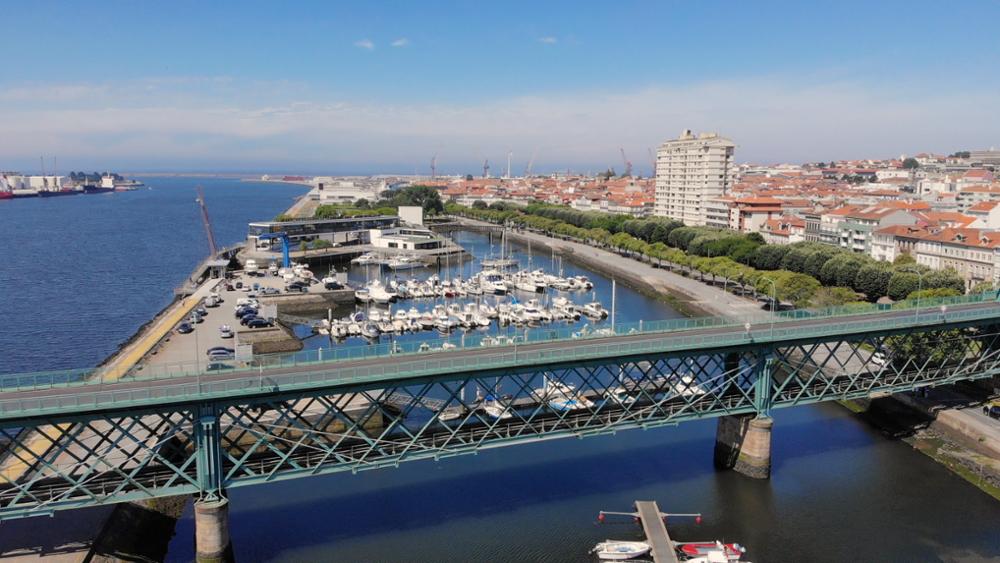
Northern Portugal is divided into five districts: Viana do Castelo, Braga, Vila Real, Porto, and Bragança. Here's a selection of must-see stops in this part of the country…
The Wine Regions of Minho Alto and Upper Douro
Northern Portugal is renowned worldwide for its wine regions… To discover them, consider taking a wine tour! In addition to tasting the country's finest wines – through the quintas dotting the Douro Valley – you'll be able to admire the beauty of steep vineyards and terraced vineyards.
Among the most beautiful wine regions, don't miss Minho Alto (known for its dry white wine vinho verde), as well as the Upper Douro wine region (UNESCO-listed), where the famous Port wine has been produced since the 18th century!
Porto
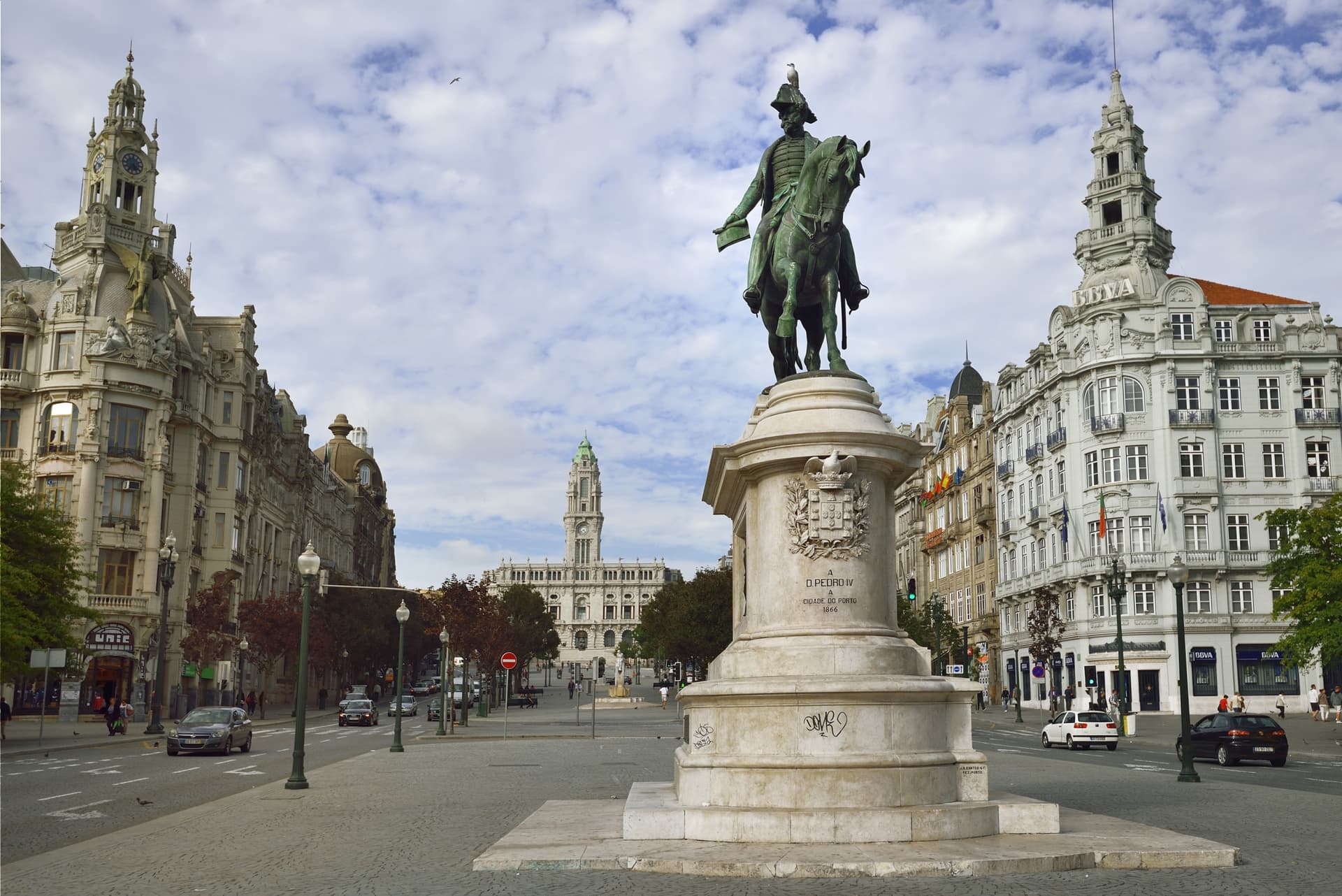
The capital of the northern region, Porto is renowned for its vibrant atmosphere and its stunning historic center, a UNESCO World Heritage site. The city is filled with architectural and historical treasures, including Librairie Lello (considered one of the world's most beautiful bookstores!), the Crystal Palace gardens (laid out in the 19th century), and the sublime Chapel of Las Almas (with its azulejo façade).
Braga
The religious heart of the country, Braga is often nicknamed the "Portuguese Rome." In addition to splendid ecclesiastical monuments (including the Bom Jesus do Monte sanctuary and Tibães Monastery), the city is also home to the Biscaínhos Museum (dedicated to decorative arts), the Palácio do Raio (built between 1754 and 1755), and the archaeological site Museu D. Diogo de Sousa. A tip? After a day of indoor sightseeing, venture out to discover Monte Picoto – and its famous viewpoint that offers a 360° panoramic view over the city…
Vila Real and Alvão Natural Park
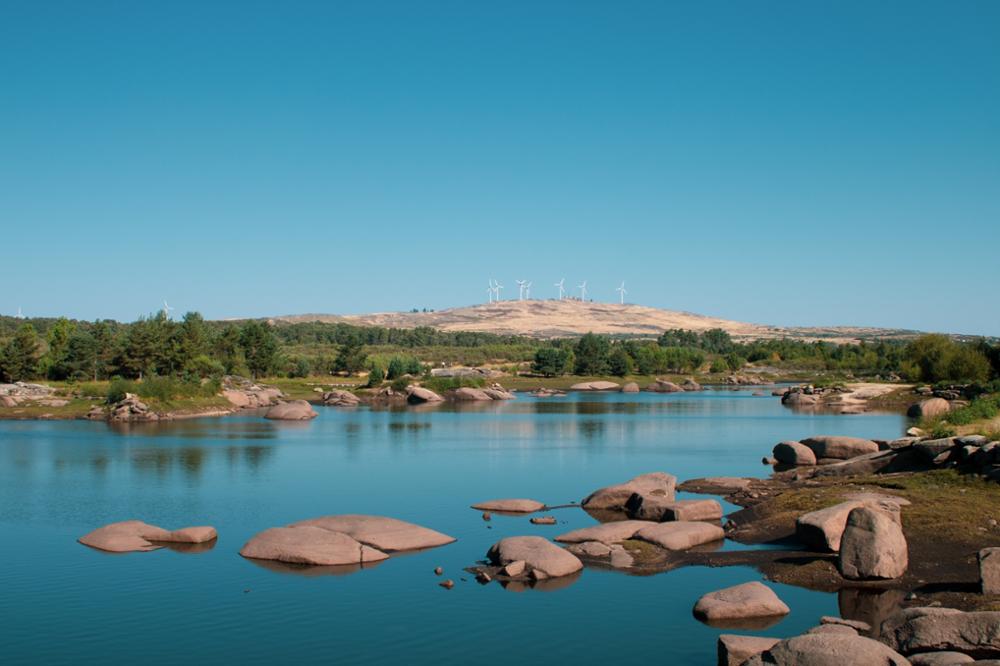
Blessed with sweeping views over the Douro River, the city of Vila Real is located just 25 minutes from the Alvão Natural Park. Ideal for canyoning enthusiasts – thanks to its waterfalls (Fisgas de Ermelo and Bilhó) and natural pools – the park is also perfect for trekkers (especially in spring, as the park is home to over 400 plant species!). The Parque Natural do Alvão also shelters traditional small villages…
What's the Climate Like in Northern Portugal? Regardless of the season, northern Portugal enjoys a temperate climate that is more humid and milder than the south. During summer, temperatures range between 28 and 31°C (around 15°C on average in winter). During the winter season, you can even go surfing and enjoy small doses of sunshine! |
Southern Portugal
Southern Portugal, commonly known as the Algarve, is actually called the Faro region. This part of the country is particularly prized for its coastline…
Faro and Albufeira
The capital of the southern region, Faro is a district that's especially popular during the summer months. Why? Its many historical and cultural sites (such as Faro Municipal Museum, housed in a former convent), but also, and above all, its festive atmosphere and beach resorts. Among the must-visit beaches, discover Praia de Faro and Praia da Falésia…
Praia da Falésia is a beach in Albufeira (a former fishing village). Sunbathing, scuba diving, dolphin watching, and water sports: this charming coastal town is the perfect destination for a beach getaway in Portugal, whether with friends or family!
Ria Formosa Natural Park
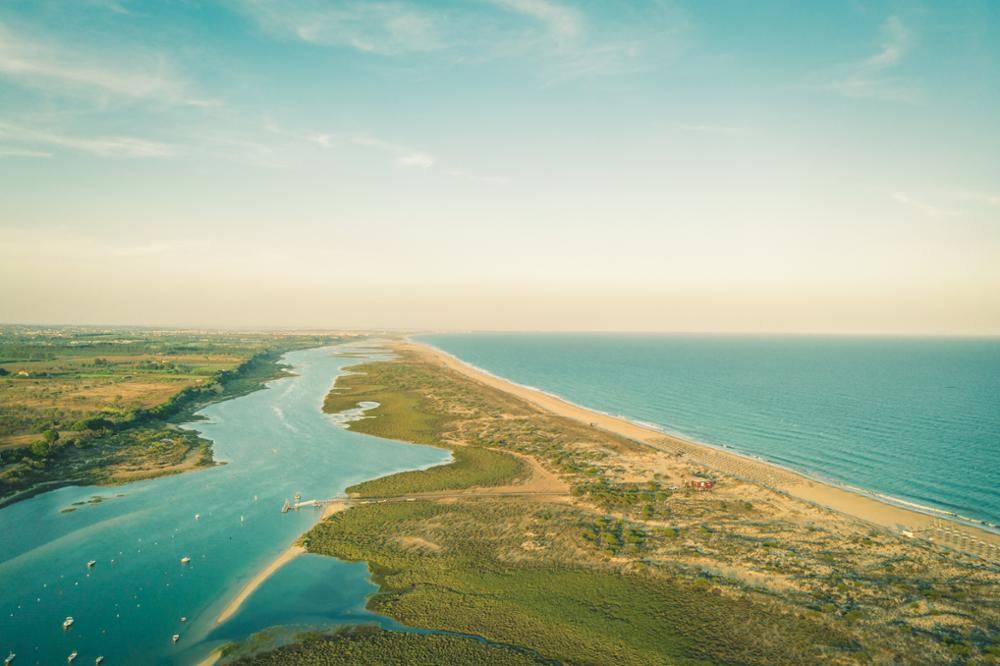
Located in a protected area, Parque Natural da Ria Formosa is part of the Ramsar network. This coastal zone, made up of lagoons and salt marshes, is home to numerous endemic plants, as well as many birds… Each year, approximately 30,000 specimens migrate through Ria Formosa!
Monchique
Another town worth a stop in the Algarve? Monchique! This mountainous and rural town allows you to discover local life, far from the crowds of coastal cities... Ideal for hiking, it also lets you recharge your batteries, thanks to its healing thermal waters.
What's the Climate Like in Southern Portugal? The Algarve climate is hotter and drier than in northern Portugal (in Faro, temperatures can exceed 20°C starting in April). Southern Portugal is sunny year-round, with only temperatures varying by season (between 21°C and 26°C during spring and fall, and up to 38°C in summer). |
First Trip to Portugal: South or North?
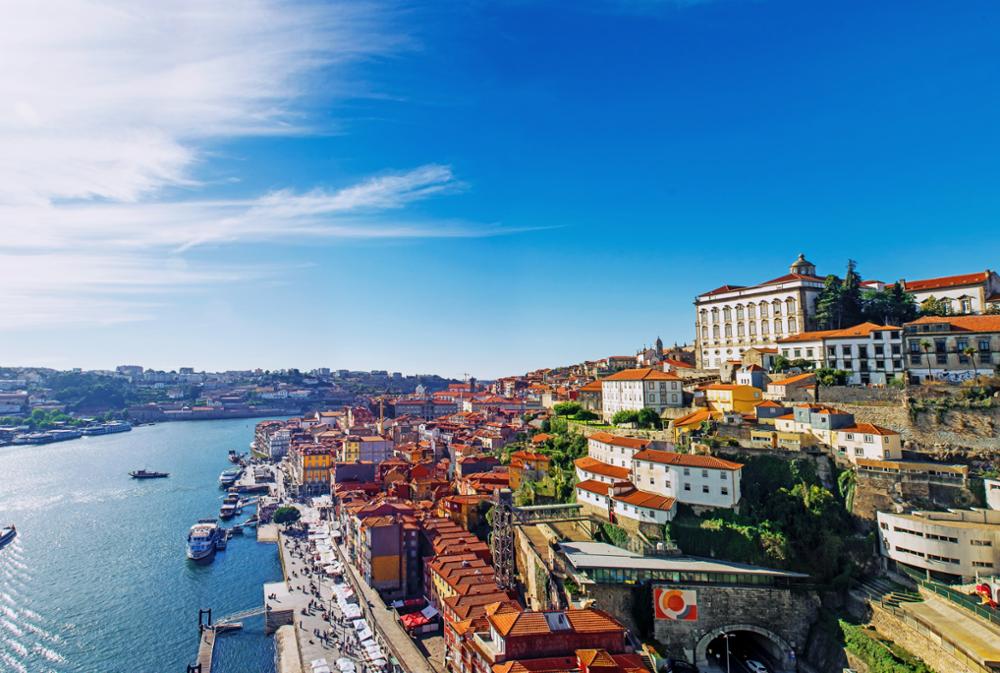
Both regions have their own personality and points of interest. The northern region, with its milder climate, is the better choice if you want to go trekking. The southern region, drier and more touristy (but also pricier), is ideal for seaside holidays and water sports.
Whichever you choose, both regions boast beautiful cultural and historical heritage, and promise lovely nature walks (with more lush landscapes in the north than the south).
Frequently asked questions
It depends on what you're looking for! The North (Porto, Braga, Douro) is ideal if you enjoy culture, wine tourism, and trekking in a mild climate. The South (Algarve, Faro, Albufeira) is perfect for beach holidays, water sports, and intense sunshine. Both regions offer rich historical heritage.
The Algarve enjoys near-constant sunshine. Spring (April-May) and autumn (September-October) offer pleasant temperatures between 21°C and 26°C, with fewer tourists than in summer. Summer (June-August) is high season with temperatures reaching up to 38°C.
Yes, absolutely! A 10 to 14-day trip allows you to combine Porto and the northern region with the Algarve in the south, making a stop in Lisbon. The Porto-Faro route by train or car crosses the country from north to south.
Northern Portugal enjoys a temperate climate, more humid and milder than the south. In summer, temperatures range between 28°C and 31°C. In winter, they drop to around 15°C on average. It's a region where you can even go surfing in winter.
Ria Formosa Natural Park is a protected coastal area listed on the Ramsar network, located in the Faro region. It consists of lagoons, salt marshes, and is home to numerous endemic plants. Each year, approximately 30,000 migratory birds make a stop here.