Azores or Madeira: Which Islands to Choose?
Like the Canary Islands and Cape Verde, the Azores and Madeira islands belong to Macaronesia: a group of islands located off the Atlantic Ocean, west of Europe and Africa. Torn between the two Portuguese archipelagos? Discover their climate and all the useful information to help you make your choice…
Azores or Madeira, what are these Portuguese islands?
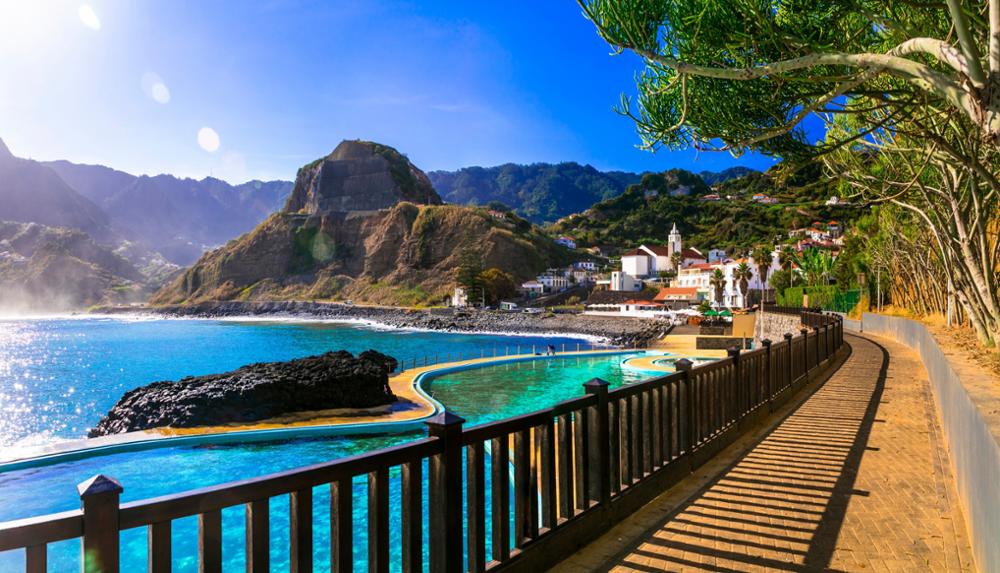
The Azores and Madeira are two Portuguese archipelagos, independent of each other, yet linked by many commonalities, such as endemic fauna and flora, as well as a historical past marked by piracy and colonial periods…
Preserved from mass tourism (and its associated infrastructure, such as luxury hotels or trendy bars), these Portuguese islands remain peaceful and authentic islets, renowned for their wild beauty, far from crowds and hustle…
Which destination to choose between the Azores and Madeira archipelagos?
Although dependent on Portugal, the Azores and Madeira archipelagos enjoy a special status; each equipped with a regional government and a degree of political and administrative autonomy.
Belonging to Europe, they are nonetheless subject to European currency and do not require special documents to call at their territory. To choose between the two? Here are the 4 criteria you should consider…
1. Geographic location (flights)
Where is the Azores archipelago located?
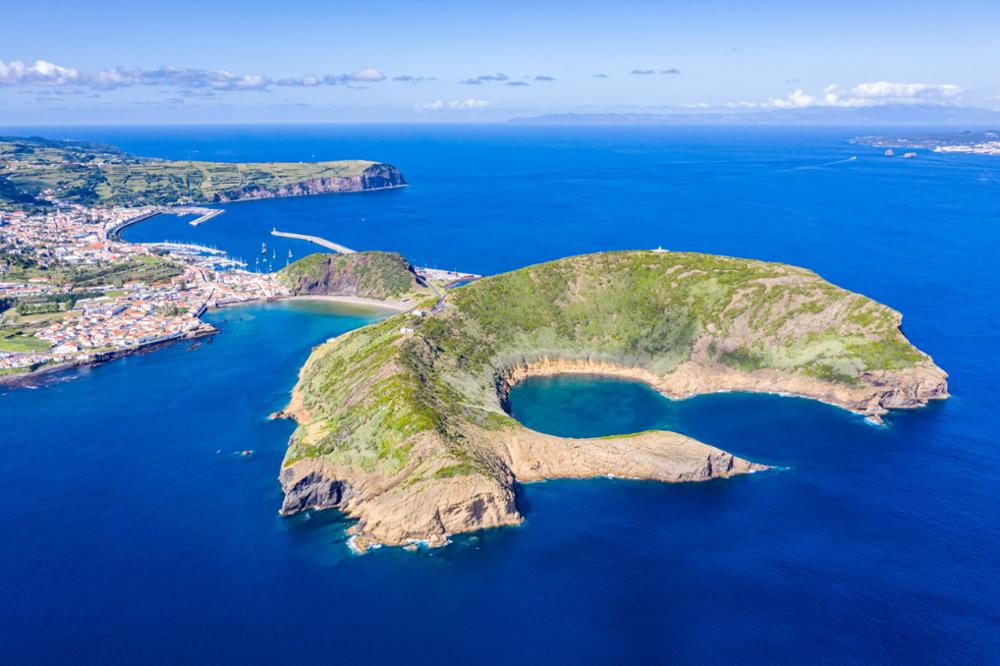
The Azores archipelago is located in the northeast of Macaronesia. It comprises nine islands (scattered over approximately 400 km). Only four of them are accessible by plane: the main island São Miguel (closest to the continent), Pico, Faial, and Terceira.
Depending on your departure city, time of year, and airline: there are not always direct flights (or flights at all) to the Azores.
From France, you can board Air France, Transavia, Flytap Air Portugal (Portugal's official airline) or Azores Airlines (the official Azores airline – also called SATA Airlines). On most flights, there is a stopover in Porto or Lisbon.
Note Except on São Miguel island, hotels are quite scarce in the archipelago. So, verify accommodation availability before buying your plane ticket! For a summer trip, plan your getaway as early as January to ensure you have lodging (and benefit from more attractive airfare rates). |
Where is the Madeira archipelago located?
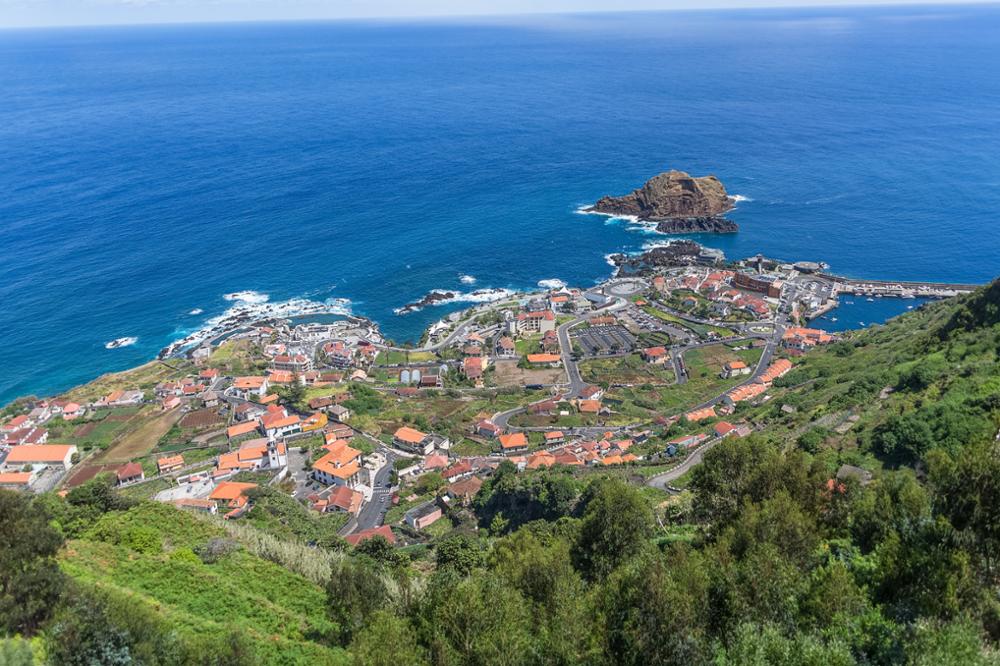
The Madeira archipelago is located approximately 800 km south of Portugal – and 700 km from Morocco. It comprises numerous islands: the two main ones are the eponymous island of Madeira and Porto Santo island (the only two inhabited).
Compared to the Azores, access to Madeira is much easier, with more regular flights.
Among airlines offering flights to the Aeroporto Internacional da Madeira Cristiano Ronaldo (in Funchal FNC)? Air France, Flytap Air Portugal, British Airways, Lufthansa, Ryanair, Easyjet – with or without a stopover depending on the airline.
To keep in mind Whatever archipelago you're considering: research inter-island flights if you wish to travel between islands. Connecting flights between the Azores islands run daily on certain routes via Azores Airlines. For Madeira? You can choose to take the ferry from Funchal (2.5 hours crossing for approximately €50/person) or via a connecting flight from Funchal airport (25 minutes flight for approximately €120/person). |
2. Climate
Climate is also an essential criterion for determining your travel dates. For the Azores and Madeira? It's difficult to recommend one destination over the other, as both enjoy pleasant temperatures year-round. Nevertheless, it's worth knowing that both are also subject to rainfall – which offers, in fact, sublime lush landscapes!
Climate of the Azores archipelago
The Azores archipelago has an oceanic climate and experiences heavy rainfall between autumn and spring (November-March). The period between May and September is much drier (despite coastal precipitation).
Regardless of the season, always plan for sunscreen and a raincoat to cope with weather changes – quite frequent within a single day. Generally, the weather in the Azores archipelago is somewhat less predictable than Madeira's.
Climate of the Madeira archipelago
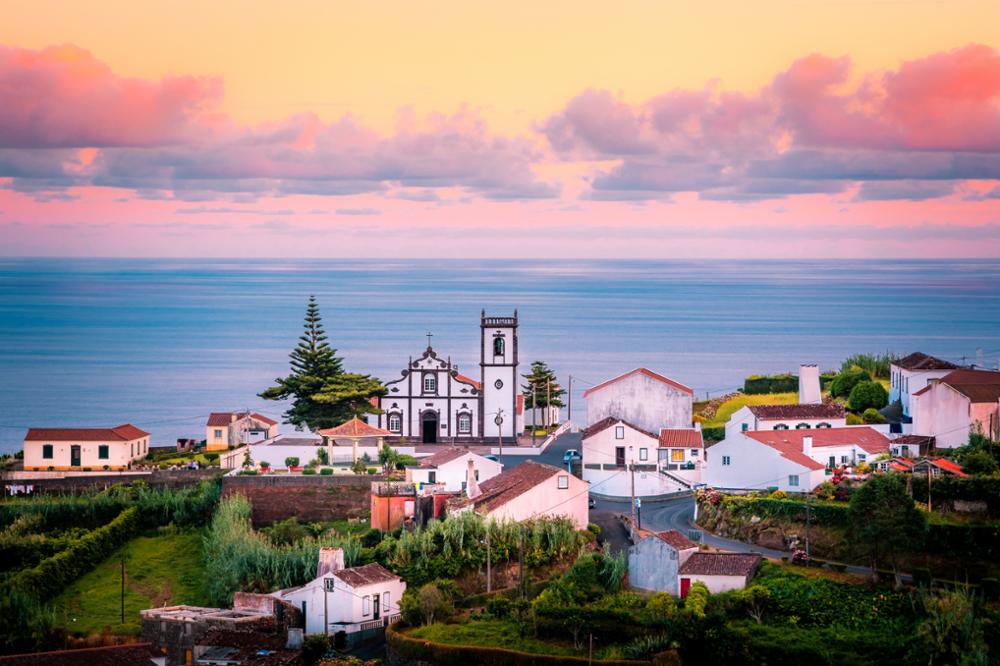
The Madeira archipelago has a subtropical climate and is slightly warmer (being located further south).
This subtle temperature difference is quite minimal during summer (around 24°C on average for Madeira and 23°C in the Azores), but more pronounced during winter, with temperatures around 20°C on one side and 16°C on the other.
With slightly more rainy weather in winter in the Azores, it's best to favor Madeira island during this season.
3. Trip duration
The Azores: between 10 and 15 days
The length of your getaway can also help you choose between the two destinations. Indeed, the Azores archipelago is larger (with 9 islands totaling 2,355 km² compared to 801 km² for the Madeira archipelago) and thus offers more stopover possibilities…
If you want to do more than a simple long weekend, the Azores may be the most appropriate destination between the two archipelagos. Allow between 10 days and 2 weeks on the islands, depending on your budget.
Madeira: between 4 and 10 days
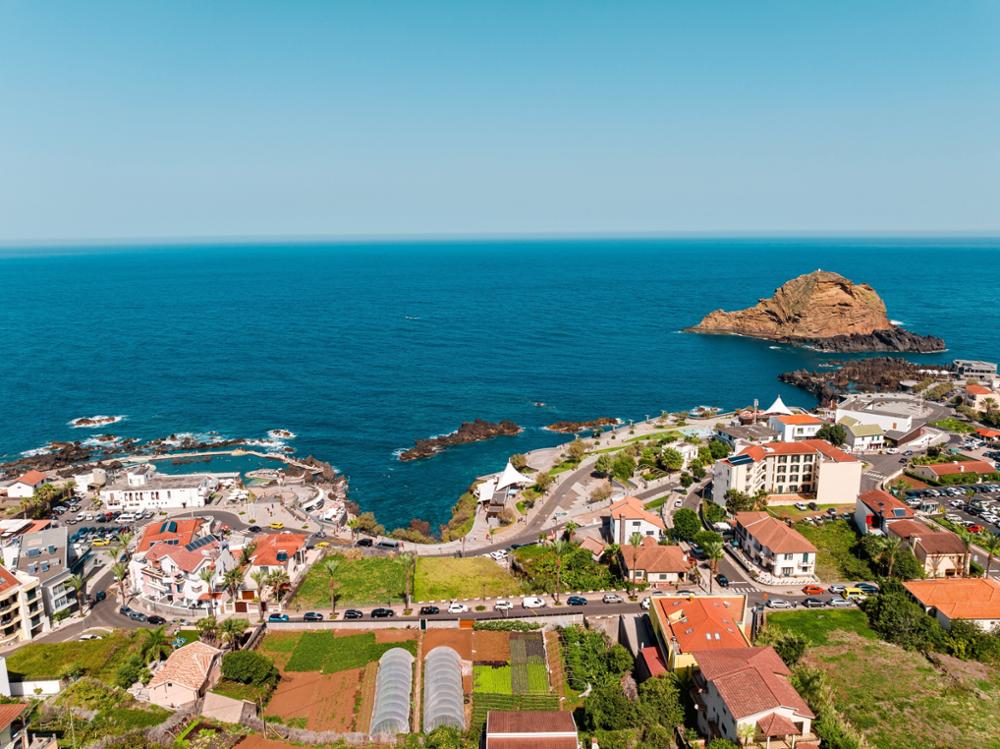
Less extensive, Madeira island requires 4 or 5 days on site. Nevertheless, if you also wish to discover the treasures of the other Porto Santo (the other must-see island of the archipelago), allow about ten days.
4. Must-see events
The Azores and Madeira islands host numerous cultural events. To choose between the two archipelagos (or the timing of your trip), it may be interesting to check the events calendar…
Festivities
Among the must-see events of the Azores, don't miss the Terceira island carnival, held annually during Mardi Gras (or an opportunity to see bailinhos – small popular and satirical theater plays).
The emblematic event of Madeira? Funchal's Flower Festival, held annually in spring! An opportunity to admire the flower-adorned floats parade, Madera locals dressed in traditional clothing – all animated by folk music and shows, throughout May.
Other must-see events The Azores archipelago… - The Maré de Agosto festival (in August on Santa Maria island) ; - La Semana dos Baleeiros (in August on Pico island) ; - Tauradas a Corda (May to October, bull runs on Terceira island). The Madeira archipelago… - The torch festival in Machico (last week of August) - Sugar cane fair in Ponta do Sol (April) ; - Chestnut festival in the small village of Curral das Freiras (November). |
Whale watching
The waters off Portugal are a prime location for observing marine mammals – about twenty cetacean species are recorded there! To have a chance to spot whales, as well as dolphins, rorquals, and sperm whales, schedule your trip between April and October.
What to see and do on the Azores and Madeira islands?
All islands located in Macaronesia offer breathtaking landscapes. Renowned for their wild beauty, volcanoes, and protected areas: the Azores and Madeira archipelagos are veritable paradises for all hikers and nature lovers…
Must-sees of the Azores
Want to visit the Azores ? Enjoy the ascent of volcanoes Capelinhos, Ponta do Pico, Água do Pau or the Seven Cities; the natural pool of Simão Dias, the hot springs of São Miguel island and paradisiacal beaches!
What are the Azores islands? The nine islands of the archipelago are divided into three natural geographic zones: - the eastern zone: the islands São Miguel and Santa Maria ; - the central zone: the islands Faial, Terceira, Graciosa, São Jorge, and Pico ; - the western zone: the islands Flores and Corvo. Know that the Azores is home to a geopark classified as a UNESCO World Heritage Site (it is, more precisely, a network of geosites scattered across the nine islands). To learn more, feel free to consult the official UNESCO geoparks website: http://www.globalgeopark.org/ |
Must-sees of Madeira
Rather leaning towards Madeira? Set out to discover the levadas (this iconic circuit of nearly 1,000 km along irrigation canals), the panoramic view from Pico do Arieiro mountain, the cable car of Funchal city, or the Porto Santo beach…
What are the Madeira islands?
The archipelago consists of four groups:
- The main islands of Madeira and Porto Santo, which can be visited.
- The sub-archipelagos of the Desertas islands (deserted) and the Selvagens islands (wild); which are classified as nature reserves and are all inaccessible to visitors. |
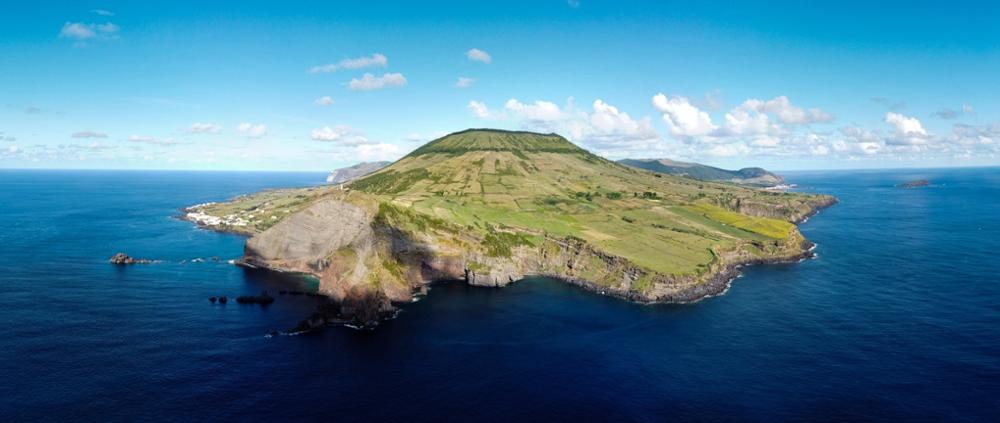
Note that the cost of living on site is roughly the same in the Azores or Madeira. Your choice really depends on the program… and your desires for elsewhere!
Frequently asked questions
For both archipelagos, the best period is between May and September. The Azores are wetter in winter (November-March), while Madeira, thanks to its subtropical climate, offers pleasant temperatures (around 20°C) even in winter, making it an excellent winter destination.
Yes. The Azores and Madeira are autonomous regions of Portugal, so members of the European Union. Travelers only need a valid identity card or passport to visit, with no visa or special formalities required.
It is recommended to allow between 10 and 15 days to visit the Azores archipelago, especially if you wish to explore multiple islands. The archipelago comprises 9 islands spread over approximately 400 km, which requires time to appreciate their diversity.
A stay of 4 to 5 days is sufficient to discover the essentials of Madeira island. If you also wish to visit Porto Santo, the second inhabited island of the archipelago, plan for about ten days instead.
Yes, the waters of both archipelagos are renowned for cetacean observation. About twenty species are recorded there, including whales, dolphins, rorquals, and sperm whales. The best period to observe them is April to October.
The cost of living is roughly equivalent in both archipelagos. The main budget difference concerns flight access: Madeira benefits from more low-cost carriers (Ryanair, EasyJet), which can allow you to find cheaper tickets, especially from France.