Visiting Portugal in Winter: Our Complete Guide
Portugal in winter is an ideal destination to escape grey skies, just two hours' flight away.
Portugal in winter is an ideal destination to escape grey skies, just two hours' flight away. With its mild climate and winter temperatures averaging 15°C, this Southern European country promises wonderful sunny walks! Discover what to see and do in the « land of blue skies » between December and February…
What is Portugal's climate like in winter?
Winter temperatures in Portugal
Located on the Iberian Peninsula, Portugal enjoys a Mediterranean climate. Influenced by the Atlantic Ocean, the country is renowned for its mild – and clement – winter temperatures. However, these vary depending on the region and humidity levels. Here's an overview of Portugal's different climates.
In the North
The northern region is known for its supramediterranean climate, meaning it's humid year-round. In winter, temperatures remain mild and average 10-12°C. Note that the north, home to the city of Porto, experiences rainfall during this season.
In the Centre
Central Portugal is home to the city of Lisbon and the Serra da Estrela mountain range. It's also in this part of the country where you'll find snow in winter. Climate-wise? The capital enjoys fairly mild temperatures (hovering around 15°C during the day), while snow falls above 2,000 metres altitude on Serra da Estrela.
In the South – Portugal's warmest region in winter
Southern Portugal is the warmest part of the country. In winter, the average temperature is 16°C in the Alentejo region and can reach 18°C around the Algarve. The latter is also Portugal's driest region during winter. During the winter season, it's possible to surf and sunbathe on the beach!
In the Azores archipelago
Located off the coast of the North Atlantic, the Azores islands form an autonomous region that benefits from a temperate oceanic climate. The archipelago is known for its mild temperatures (17-18°C during the day) but also for its unpredictable weather!
On the island of Madeira
With its subtropical climate, the island of Madeira enjoys pleasant temperatures throughout the year. In winter? These reach an average of 17-18°C.
The advantages of a winter trip to Portugal
Visiting Portugal during the winter season (between December 21 and March 20) has several advantages, such as:
exploring the country's most beautiful sites at your own pace and without crowds;
discovering another facet of Portugal with its splendid winter landscapes;
exploring the slopes of the Serra da Estrela ski resort;
enjoying more attractive rates (accommodation, flights, etc.).
Good to know: What to wear for a winter trip to Portugal? To cope with climate changes that can occur during a single day, pack clothing and shoes suitable for sunny and/or rainy days. Well-prepared, you'll be able to explore any region or part of the country! |
What to see and do on a winter trip to Portugal?
The city of Porto
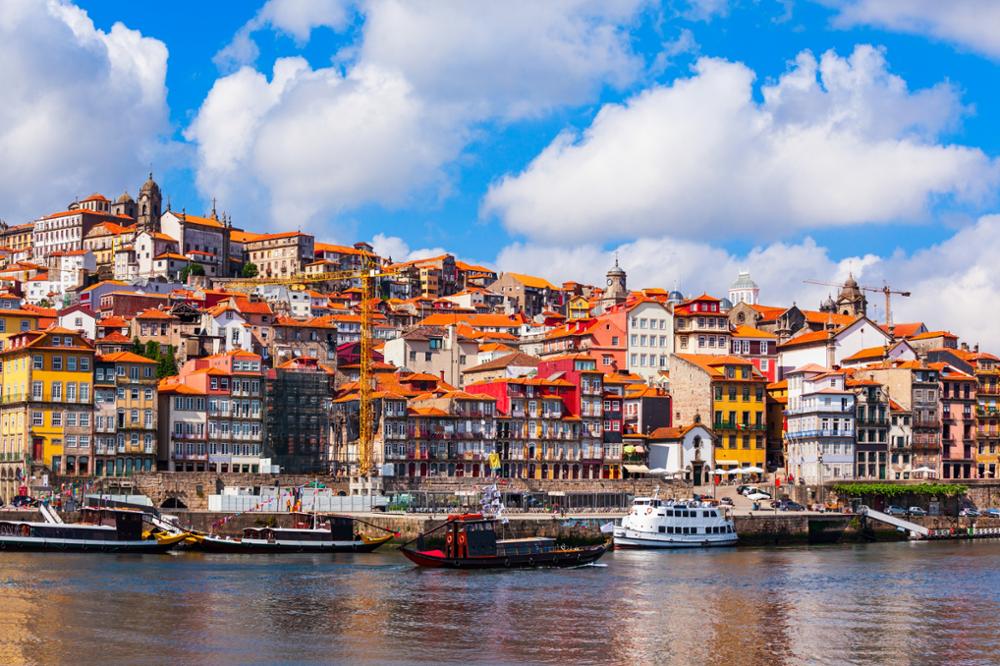
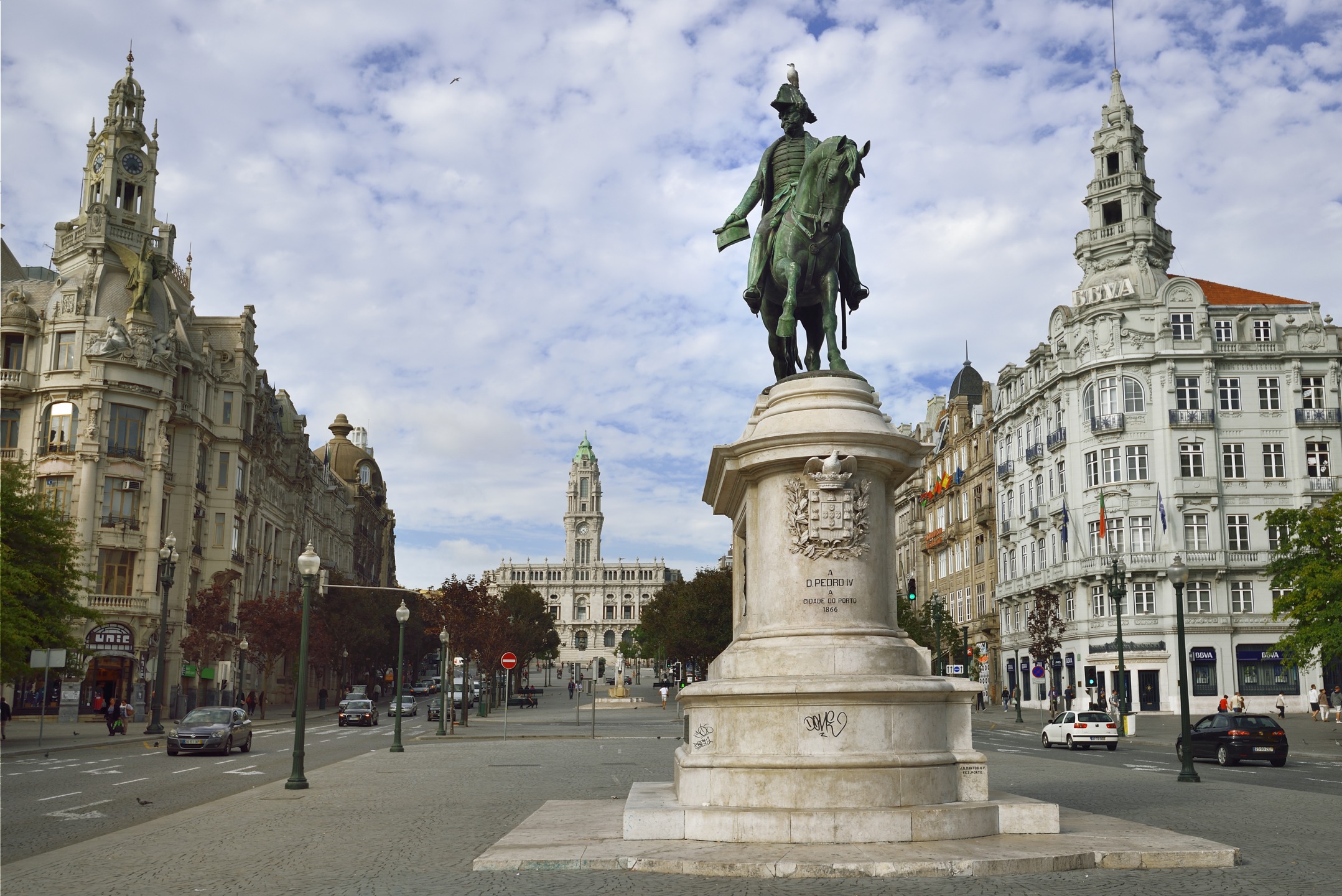
While it teems with thousands of visitors in summer, the city of Porto is virtually empty in winter. This is THE perfect time to discover its splendid historic centre, a UNESCO World Heritage Site, and mingle with the locals!
Serra da Estrela
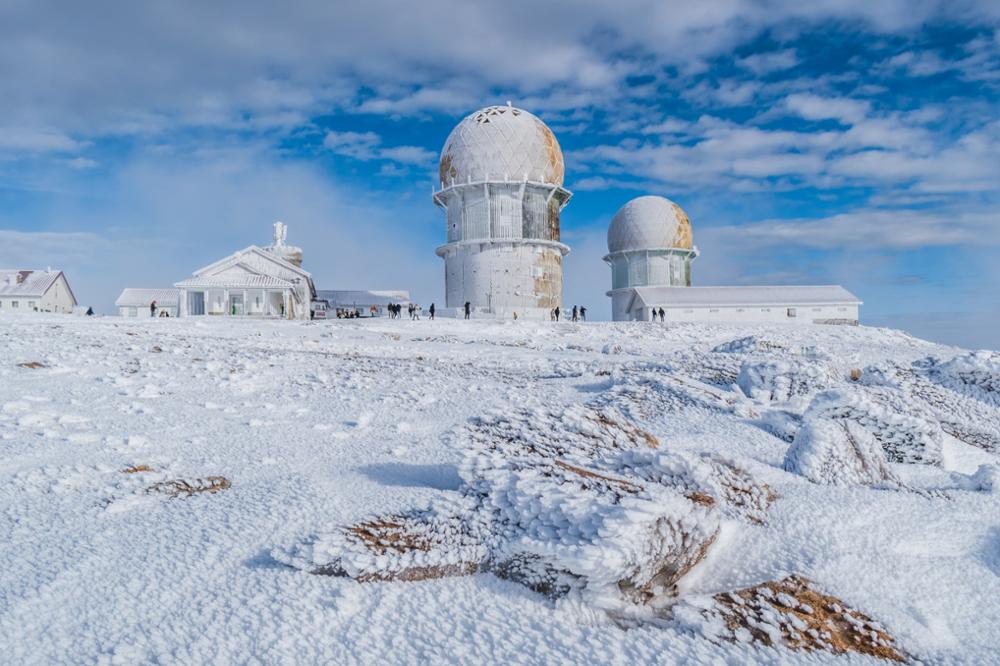
Want to go skiing, snowboarding or snowmobiling in Portugal? Head to Serra da Estrela! This beautiful mountain range is very lively during the winter period, and beloved for its Zêzere glacial valley…
The city of Lisbon
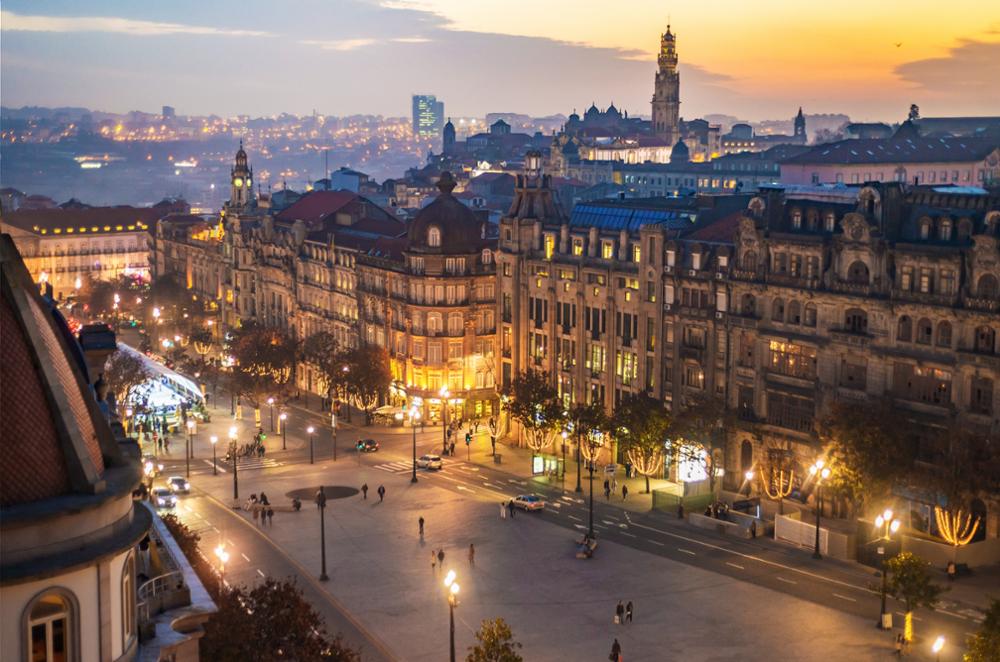
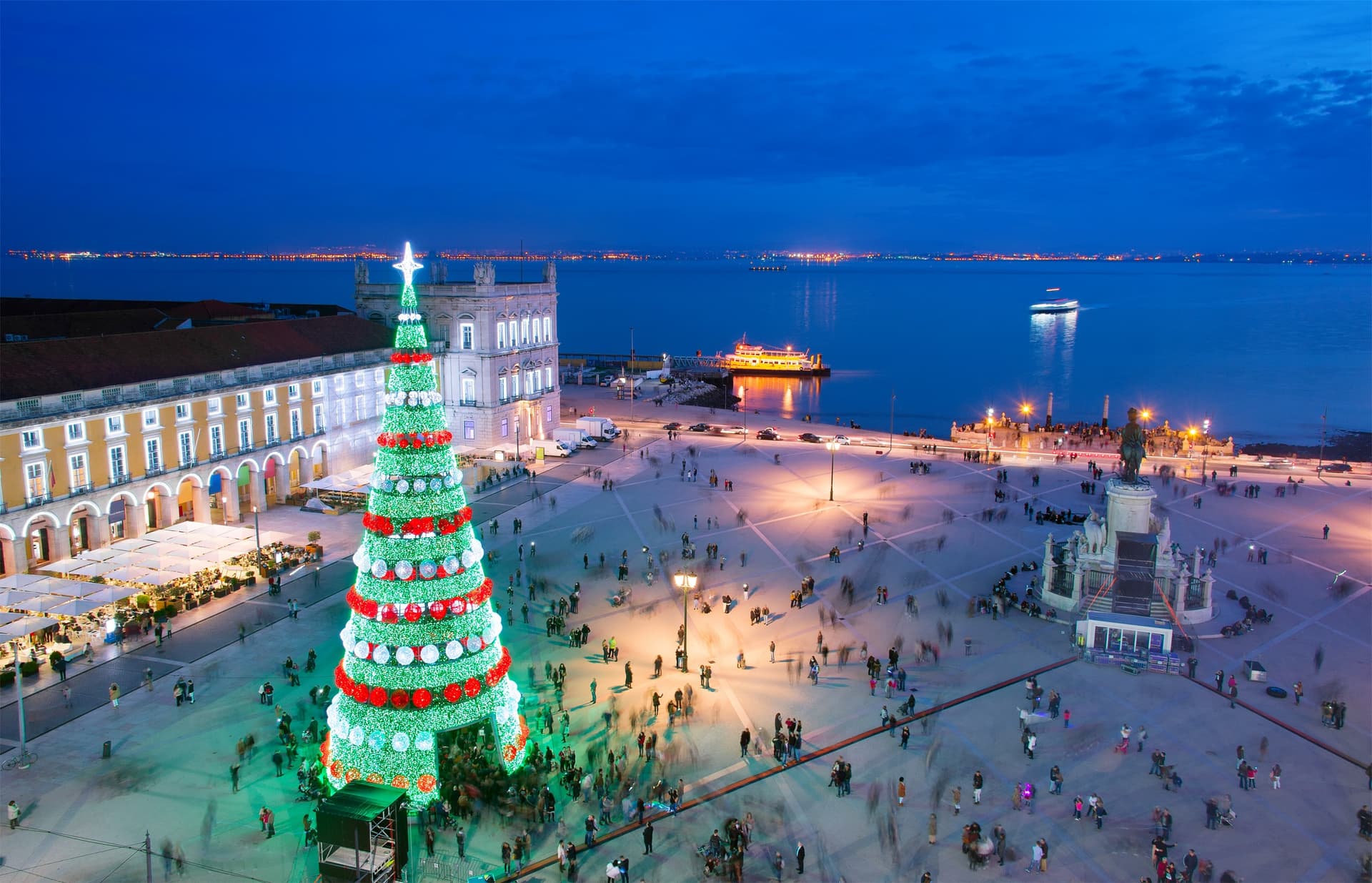
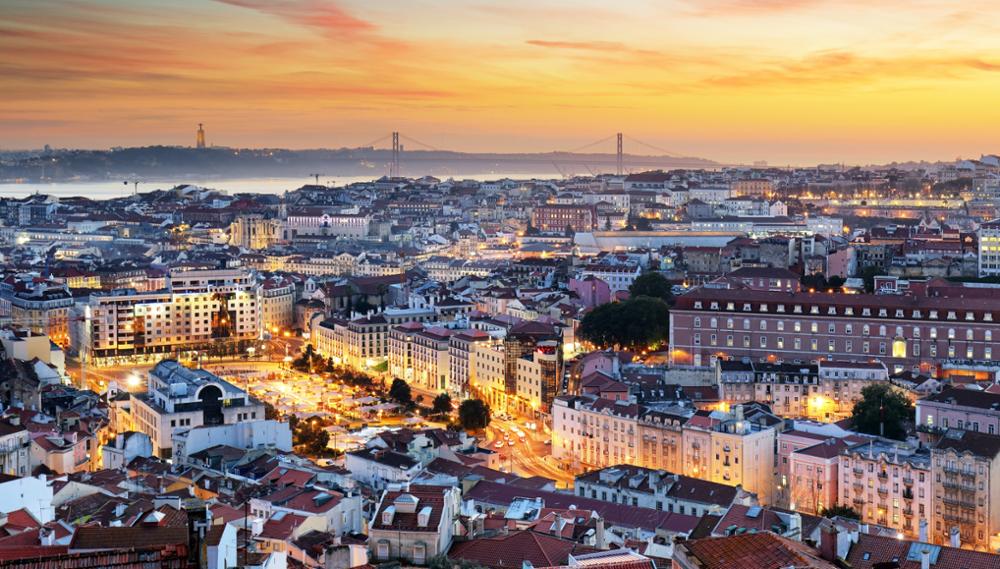
At Christmas time, as the smell of roasted chestnuts mingles with the aroma of Pasteis de Nata, Lisbon reveals another side of its personality… It's also a magical time to visit the magnificent Monastery of the Hieronymites or the Belém Tower, now free of the summer tourist influx!
The Algarve region
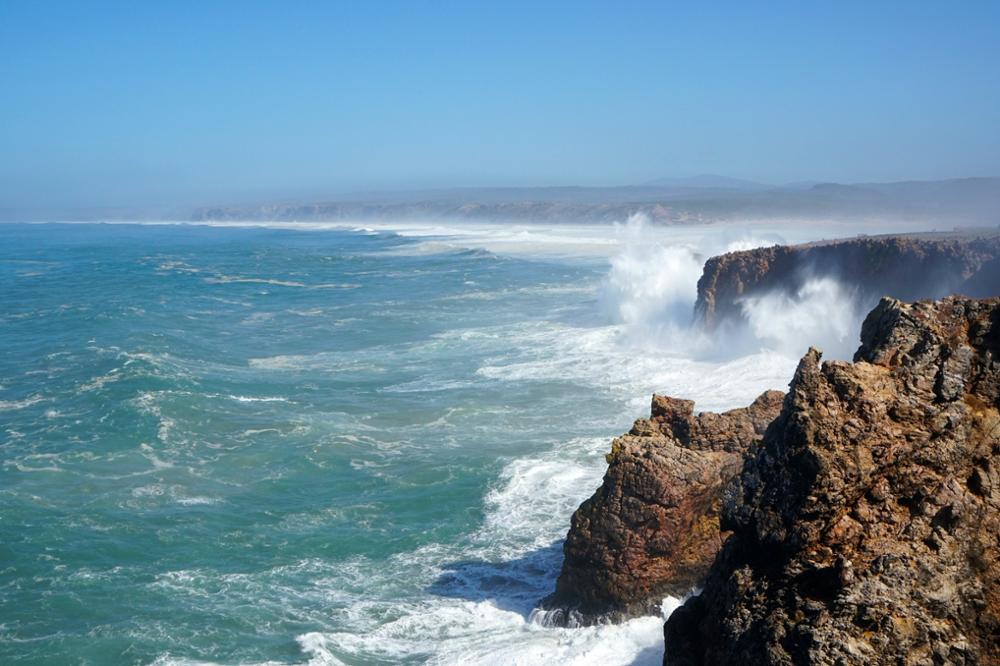
Renowned for its postcard-perfect scenery, the Algarve is a region you absolutely must visit. In its winter mildness, it's possible to explore its most beautiful sites in complete peace and quiet. Among them? The Ria Formosa Natural Park, the coastal town of Tavira, and Faro (the capital of the Algarve).
The Azores archipelago
The islands of the archipelago promise a sunny stopover in the heart of winter. Trekking enthusiasts in particular appreciate the volcanic landscapes, craters and fumaroles, but also the black sand beaches, which contrast with the azure colours of the Atlantic.
Madeira
In winter, the island of Madeira hosts two major events. On the evening of December 31st, a splendid fireworks display illuminates Funchal bay. In February, it hosts its great carnival… and a spirit of celebration takes over the streets of the « island of flowers »!
Frequently asked questions
The Algarve is the sunniest and warmest region of Portugal in winter, with temperatures reaching up to 18°C. It's ideal for enjoying beaches and sunshine out of season. Madeira is also an excellent alternative with its subtropical climate and 17-18°C temperatures in winter.
It depends on the region. The Algarve and southern Alentejo are the driest and sunniest parts in winter. The north (Porto) and centre (Lisbon) experience more rainfall, but temperatures remain mild (10-15°C). The Azores have changeable but clement weather.
Yes! Serra da Estrela, in central Portugal, is the country's only ski resort. Snow falls above 2,000 metres altitude and it's possible to go skiing, snowboarding and snowmobiling during the winter season.
Temperatures vary by region: around 10-12°C in the north (Porto), 15°C in Lisbon, up to 18°C in the Algarve. The islands of Madeira and the Azores show temperatures between 17 and 18°C during the day.
Yes, travelling to Portugal in winter (outside the end-of-year holidays) allows you to benefit from more attractive rates on flights and accommodation. It's also an opportunity to visit tourist sites without summer crowds.