Azores: Must-See Attractions on Pico Island
Part of the Azores archipelago, Pico is the second-largest island in the region. Renowned for its namesake volcano that dominates much of its territory,
Part of the Azores archipelago, Pico is the second-largest island in the region. Renowned for its namesake volcano that dominates much of its territory, it is also known for its volcanic wine culture and as one of the world's premier whale-watching destinations. Discover all there is to see and do during a stay on Pico Island.
Did you know?
Pico Island is nicknamed "the black island" by its inhabitants because of the massive presence of black volcanic stone that shapes both its landscapes and its architecture.
Climb the Pico Volcano
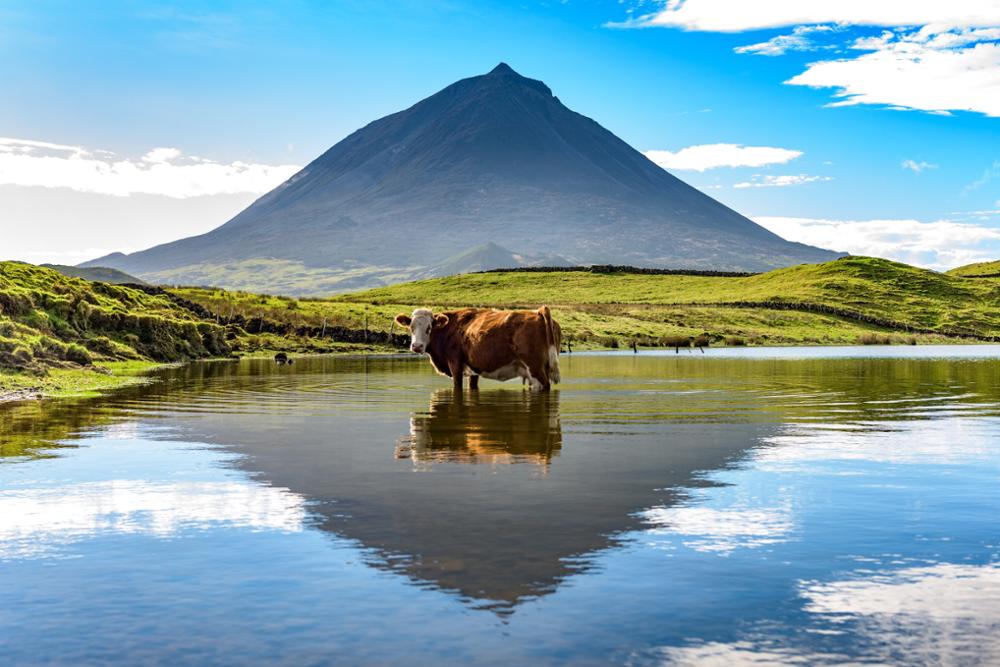
You can't miss it! The Pico volcano dominates the landscape. Standing at 2,351 meters, this dormant stratovolcano is the highest peak in the Azores and the highest point in Portugal. There's no doubt it ranks among the most beautiful natural sites in the Azores.
Numerous hiking trails offer stunning views of this captivating volcano. But for the most adventurous, it's possible to climb to its summit. The ascent of Pico volcano departs from Casa da Montanha, situated at 1,250 meters altitude. The trail continues for 8 kilometers round-trip. You can make the ascent during the day or at night to reach the summit at sunrise.
Once at the top, you'll enjoy an exceptional panorama of the island and the Azores archipelago (weather permitting). You can also discover a stark, bare, rocky crater 500 meters wide with a small steep cone at its center.
Plan for 7 to 8 hours of round-trip hiking, including 3 to 4 hours for the ascent. Note that the climb can be challenging due to elevation gain, and good physical fitness is advisable for this endeavor.
Important to remember:
To climb Pico, you must register at Casa da Montanha beforehand.
Observe Whales and Other Cetaceans
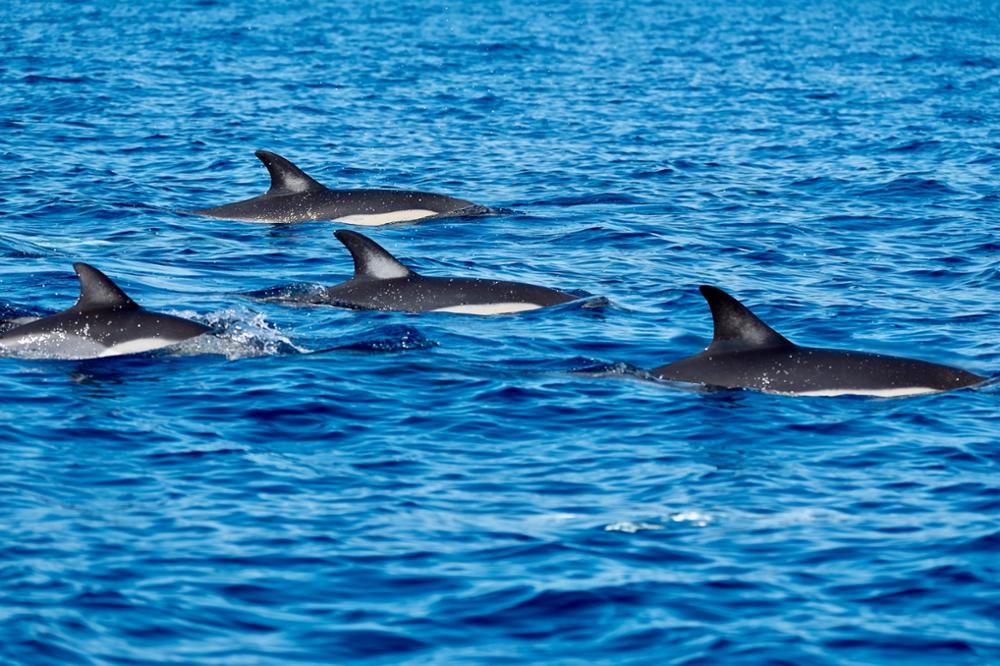
Pico Island is renowned as one of the world's finest destinations for whale and marine mammal observation. In total, 28 cetacean species have been recorded in the coastal waters, including:
Blue whales,
Sperm whales,
Sei whales,
Bryde's whales,
Risso's dolphins,
Bottlenose dolphins,
Common dolphins,
Spotted dolphins…
Some species like sperm whales and dolphins live year-round, while migratory whales pass through in spring and summer, between March and September (with peak activity in May and June).
Numerous excursions depart from Pico Island to encounter these creatures. Although the Azores autonomous government has established restrictions and rules to ensure animal welfare, we still recommend researching tour operators' practices before booking.
These companies must follow responsible conduct guidelines for ethical and respectful cetacean observation: limited passenger numbers on boats, respect for safety distances (no closer than 50 meters), noise and pollution reduction, limited interaction duration, awareness of newborns, prohibition of touching or feeding animals…
A bit of history:
Whale watching hasn't always been a major island activity. Whales were long hunted in the Azores and were a significant income source for residents. The practice was only banned in 1984, though the last whale hunted on Pico Island was killed in 1987.
To learn more about this sad history, you can visit the whaling industry museum (former whale processing factory) in São Roque do Pico or the Whalers' Museum in Lajes do Pico.
Explore Gruta das Torres, Portugal's Largest Lava Cave
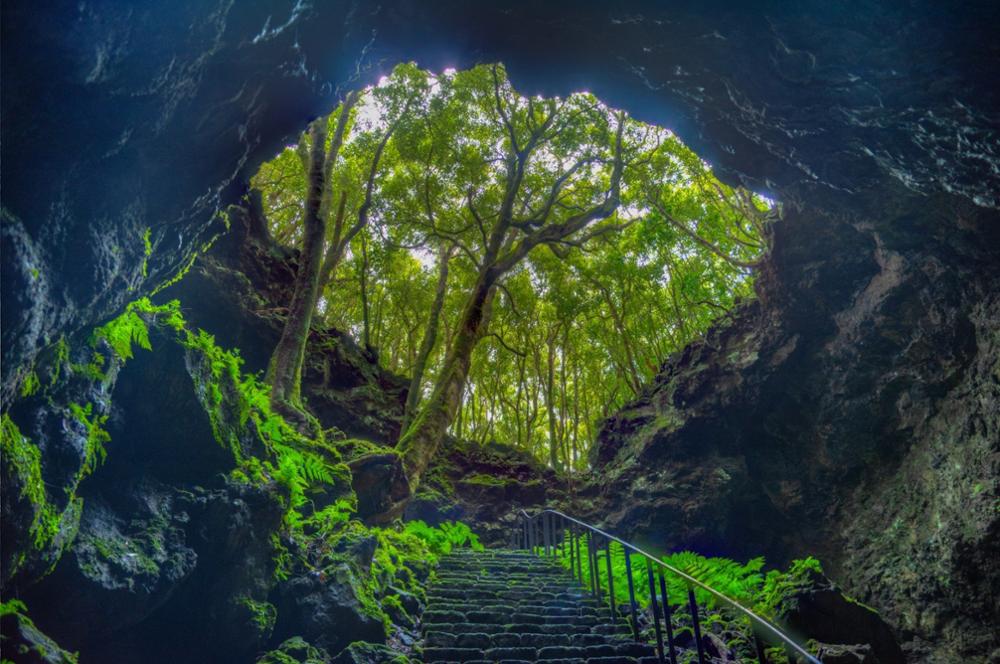
Pico Island has numerous lava caves, but if we had to choose just one, it would be Gruta das Torres. Located on the west flank of Pico volcano, this lava cave is approximately 5,150 meters in total length with a maximum height of 15 meters. Inside, you'll discover numerous geological formations, including various types of lava stalactites and stalagmites.
To visit Gruta das Torres, head to the visitor center (Centro de Visitantes). After watching a documentary describing this cave's characteristics, you can take an underground tour. The visit lasts approximately 1 hour and covers a 450-meter section.
For those interested:
Love geology and speleology? Other sites on Pico Island deserve a visit. Consider the fumaroles (Furnas de Frei Matias, Furnas da Silveira, Furnas dos Montanheiros) or Arcos do Cachorro, a collection of volcanic rock formations consisting of volcanic caves and lava tubes.
Discover Pico's Celebrated Volcanic Vineyards and Enjoy Wine Tasting
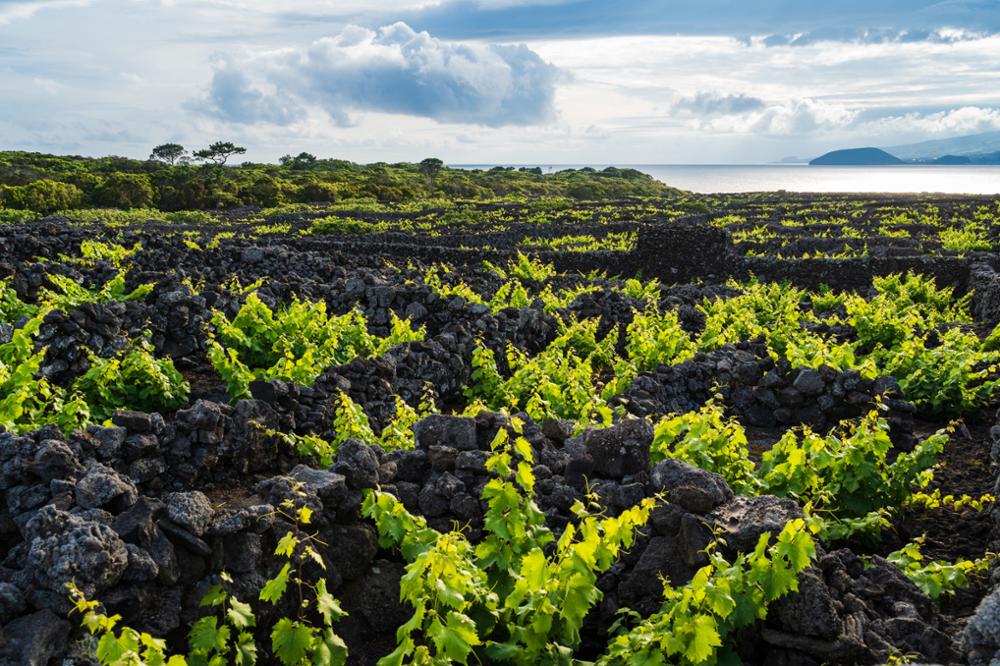
Did you know Pico Island is renowned worldwide for its volcanic vineyards? Indeed, vine cultivation has been present on the island since its settlement began in the late 15th century. It's primarily thanks to its nutrient-rich volcanic soil and warm, dry climate that the vines enjoy exceptional conditions for reaching maturity.
But that's not all! Vine cultivation also developed through the creation of small enclosures called "currais" or "curraletas." These are walls of raw stone heated by the sun, constructed to protect crops from maritime winds. To admire these vineyard plots, we recommend visiting Lajido da Criação Velha and Lajido de Santa Luzia.
Beyond the famous currais, Pico Island hosts other vestiges of viticultural activity. Consider the "Rilheiras," furrows carved into the lava by ox carts transporting grapes and barrels to ports. Today, you can still see ramps called "rola-pipas" that were carved to facilitate barrels sliding down to boats.
After discovering Pico's magnificent volcanic vineyard landscapes, inscribed on UNESCO's World Heritage list, we recommend planning a wine tasting of the island's wines, whose predominant grape variety is Verdelho. Numerous cellars welcome visitors for tastings of their various wine varieties.
Good to know:
To learn more about Pico Island's wine cultivation history, we recommend visiting the Centro de Interpretação da Paisagem da Cultura da Vinha da Ilha do Pico (interpretation center for the vineyard culture landscape) located at Pico's second wine production site in Lajido, as well as the Museu do Vinho (Wine Museum) located in Vila da Madalena.
Swim in Natural Pools
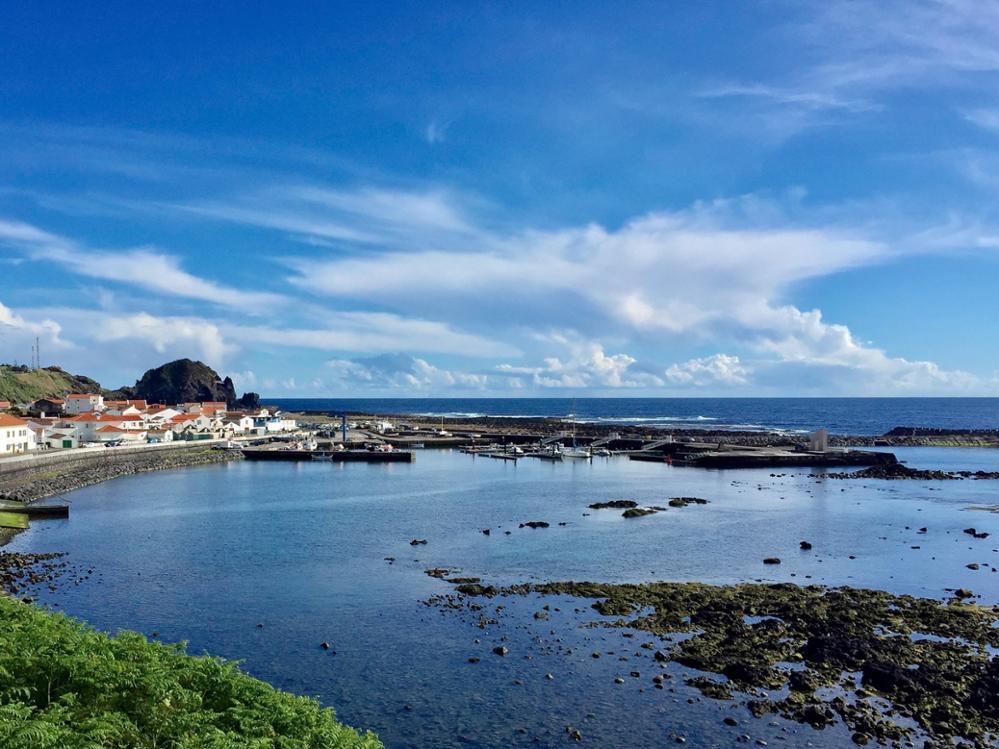
Pico Island has the most natural pools of all Azores islands. These basins carved into volcanic rock are excellent swimming spots. Most of Pico's natural pools have amenities (showers, restrooms, picnic areas…). Everything is in place to enjoy a relaxing moment with family, friends, or your loved one!
Among Pico's most beautiful natural pools, don't miss those at:
São Roque do Pico,
Poça das Mujas,
Poço da Maré do Verdugo,
Ponta do Admoiro,
Santo António,
Criação Velha,
Lajes do Pico,
Manhenha,
Arinhas…
Tour the Lakes
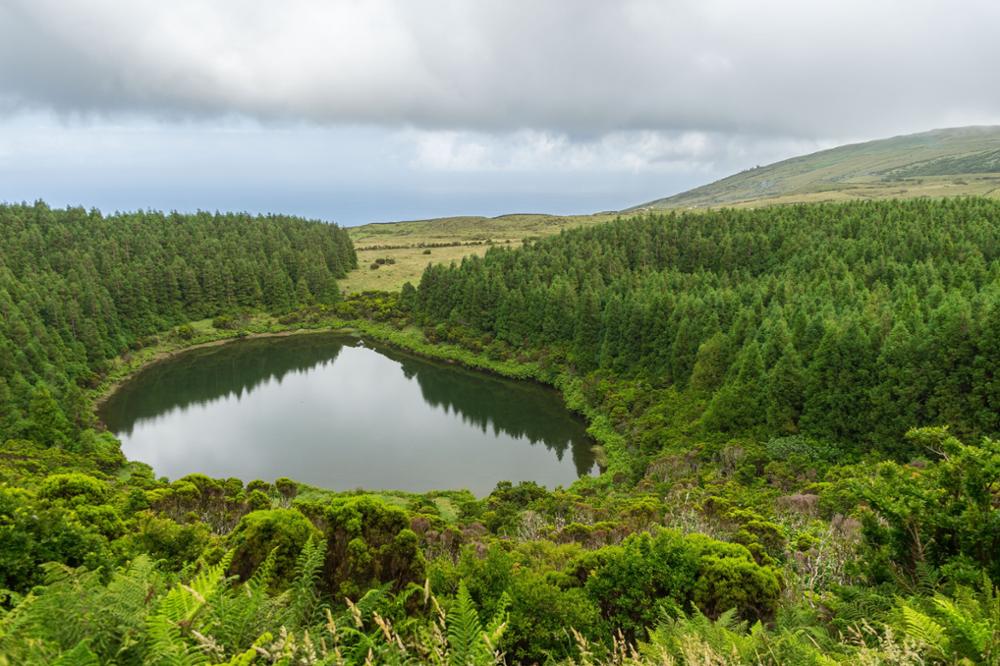
Pico Island has numerous lakes where you can hike or simply stop to enjoy the views. The best way to discover them? Take the Estrada das Laoas (Route of the Lakes), a 13-kilometer road offering views of 7 lakes:
Lagoa do Peixinho,
Lagoa da Rosada,
Lagoa do Caveiro,
Lagoa do Cabeço dos Grotões,
Lagoa Seca,
Lagoa do Caiado,
Lagoa do Landroal.
Among other lakes to discover on Pico Island, don't miss Lagoa do Capitão, the second-largest lake on the island. Considered one of Pico's finest natural sites, it offers a magnificent view of Pico volcano.
Drive on the Longest Road in the Azores
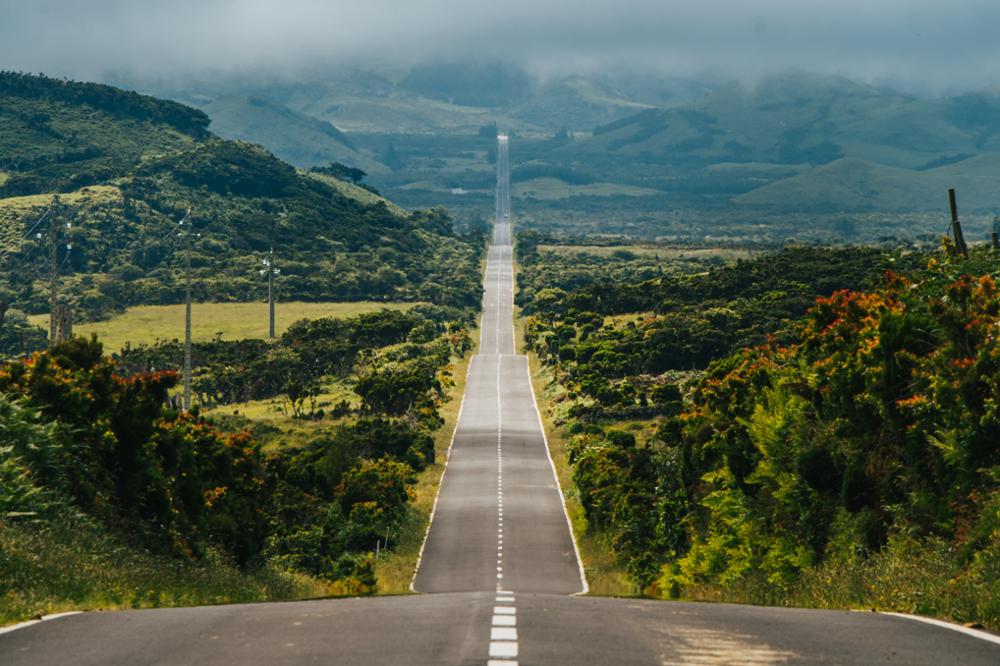
To discover Pico Island's superb landscapes, we recommend taking the EN3 road. At 23 kilometers long, it's the longest road in the Azores, which many travelers consider to be Portugal's most beautiful road.
And for good reason—this road offers magnificent landscapes with Pico volcano as a backdrop. It leads to remarkable sites like Lagoa Capitão. It also provides access to Casa da Montanha, where Pico volcano hikes depart.
Practical Information
How many days should you plan to visit Pico Island?
We recommend staying at least 3 full days if you want to experience the island's must-see attractions. To take your time and fully enjoy the various activities on the black island, plan for at least 5 days (not counting the half-days for travel to and from the island).
What is the best time to visit Pico Island?
Pico Island has a humid oceanic climate marked by mild winters and fairly warm summers. Rainfall is frequent in autumn and winter. Temperatures rarely drop below 13°C in winter and average around 25°C in summer. The sea temperature generally ranges between 16°C and 20°C.
The best time to visit Pico Island in the Azores archipelago is therefore during summer, between June and October. Not only is this ideal for enjoying summer temperatures and maximum sunshine, but it's also the perfect season for hiking, climbing Pico volcano, and whale watching!
Frequently asked questions
It is recommended to plan a minimum of 3 full days to see Pico Island's must-see attractions. To fully enjoy all activities — volcano climbing, whale watching, vineyards, natural pools, and lakes — plan for around 5 days on the island, not counting travel time.
The best time to visit Pico Island is between June and October. Summer temperatures reach around 25°C, sunshine is at its maximum, and it's the ideal season for climbing Pico volcano and observing migratory whales (present from March to September, with peaks in May-June).
Some species such as sperm whales and dolphins are present year-round in Pico Island's waters. Migratory whales, however, pass through in spring and summer, between March and September, with higher activity in May and June. A total of 28 cetacean species have been recorded in these waters.
Climbing Pico volcano (2,351 meters) is physically demanding. It covers 8 kilometers round-trip from Casa da Montanha (1,250 meters altitude) and requires 7 to 8 hours of hiking total, including 3 to 4 hours of ascent. Good physical fitness is recommended. Registration at Casa da Montanha is mandatory before departure.
'Currais' (or 'curraletas') are small enclosures formed by walls of raw volcanic stone built to protect vineyards from maritime winds. This vineyard landscape, visible notably at Lajido da Criação Velha and Lajido de Santa Luzia, is inscribed on UNESCO's World Heritage list.
To visit Gruta das Torres, Portugal's largest lava cave (5,150 meters long), go to the visitor center. The visit begins with a documentary about the cave, followed by an underground tour lasting approximately 1 hour covering a 450-meter section. The cave is located on the west flank of Pico volcano.