Visiting the Azores: Portugal's hidden gems
Made up of nine islands, the Portuguese archipelago of the Azores is a natural treasure set in the Atlantic Ocean. Renowned for its volcanic landscapes, the islands are dotted with hot springs,
Made up of nine islands, the Portuguese archipelago of the Azores is a natural treasure set in the Atlantic Ocean. Renowned for its volcanic landscapes, the islands are dotted with hot springs, natural pools and waterfalls… Thinking of visiting the Azores? Here's a glimpse of the most stunning sites!
The volcanoes (the must-see attraction when visiting the Azores)
Capelinhos volcano
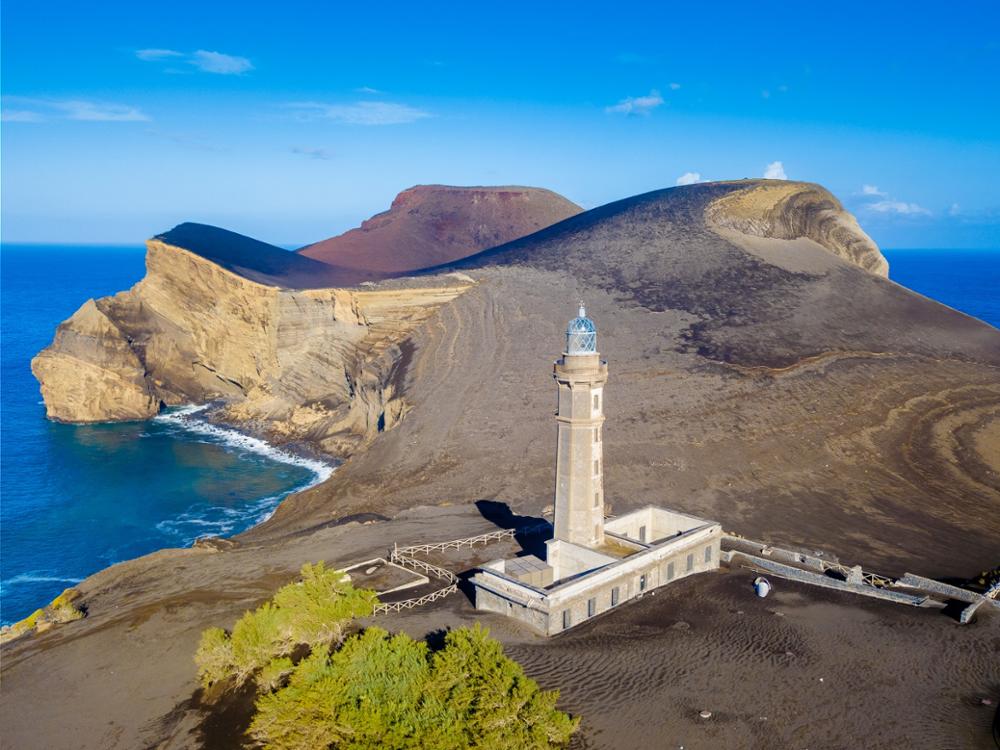
Located in the west of Faial island, the Capelinhos volcano is a crater that last erupted in 1957. During that eruption, the pyroclasts (blocks of lava) emitted by the volcano accumulated near Faial, eventually forming a peninsula…
An easily accessible trail allows you to discover its lunar landscape! To learn more about its formation (and admire samples of volcanic minerals and rocks), don't hesitate to visit the interpretation center located nearby.
Ponta do Pico volcano
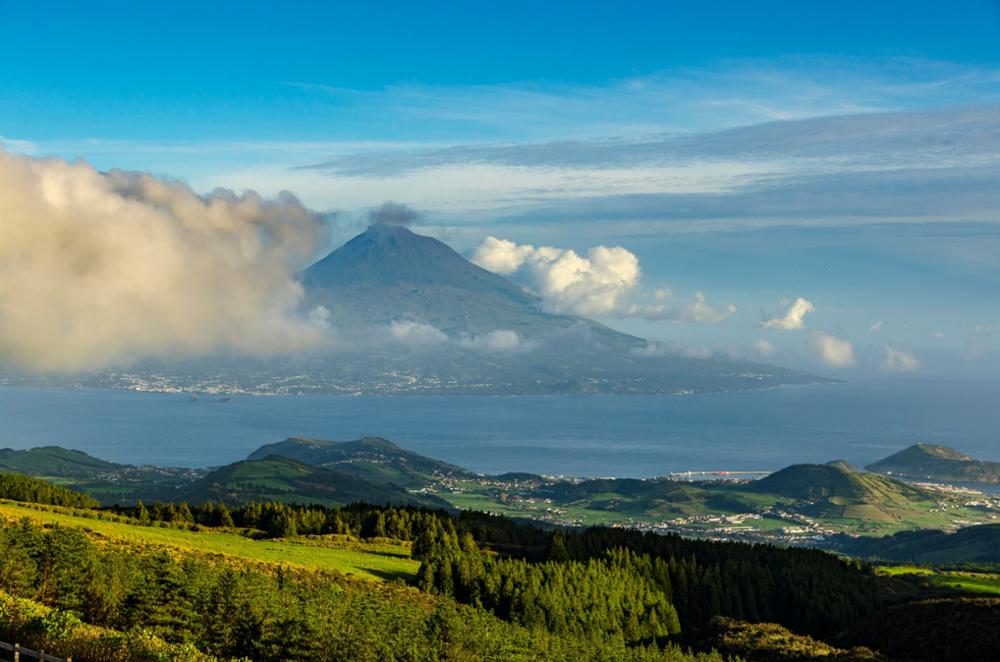
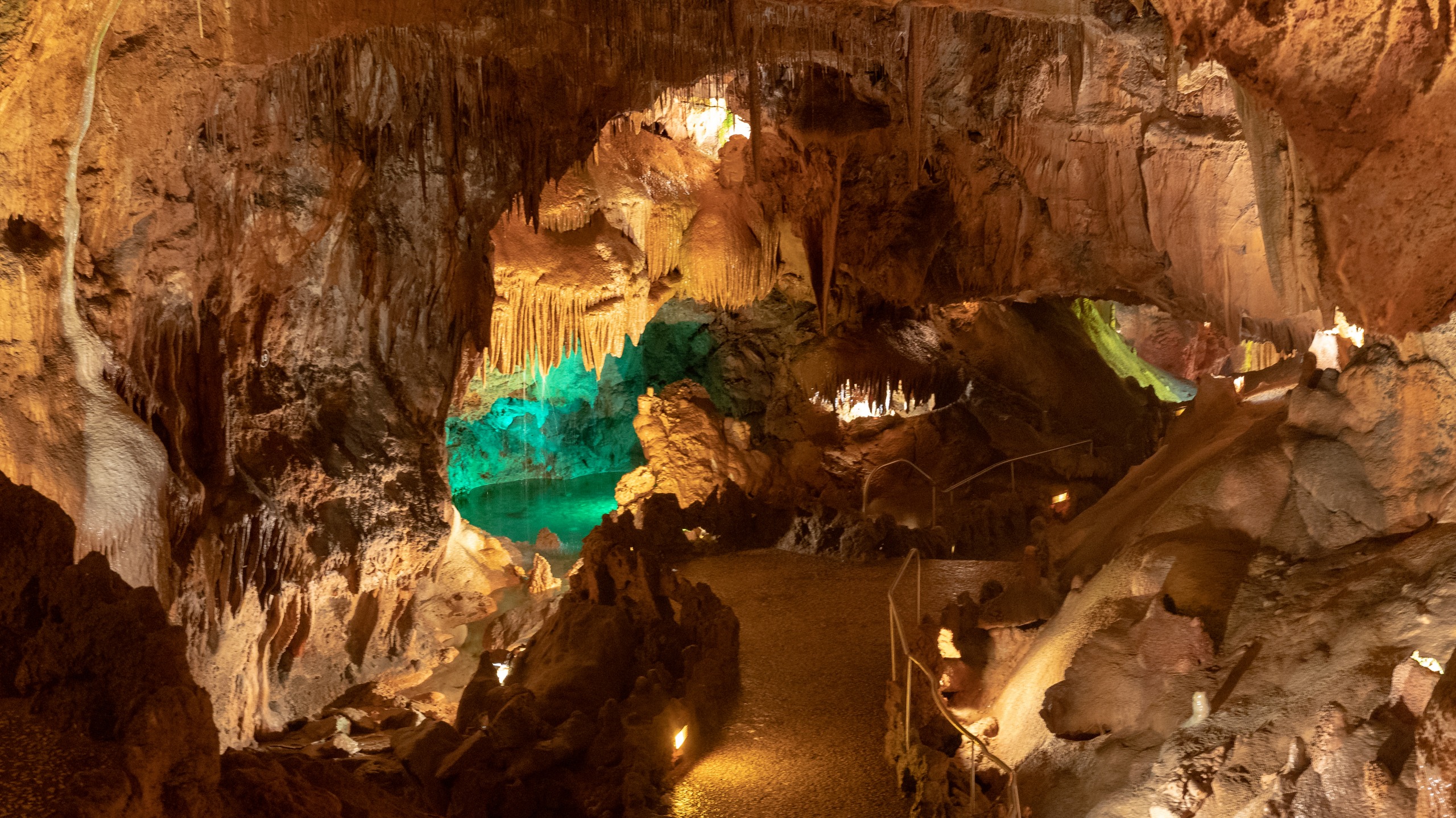
At the heart of Pico island, Ponta do Pico stands at 2,351 meters altitude and offers stunning views of the islands of Graciosa, São Jorge, Faial and Terceira! Inactive since 1720, this volcano promises beautiful hikes (though they do require good physical fitness). During your visit to the island, don't miss the Gruta das Torres – a magnificent lava tunnel.
Fogo volcano (Água do Pau)
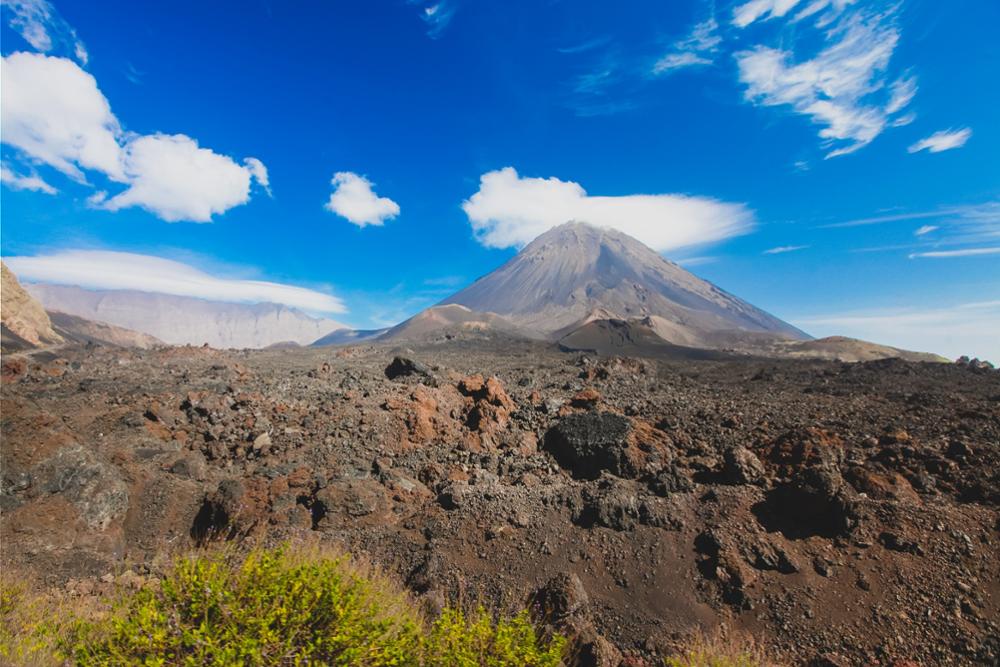
Located on São Miguel island, the volcano Água do Pau (more commonly known as Fogo) rises to 947 meters altitude. It last erupted in 1564 and is home to the Lagoa do Fogo – a sublime lake set at 575 meters, renowned for its turquoise waters…
Seven Cities volcano
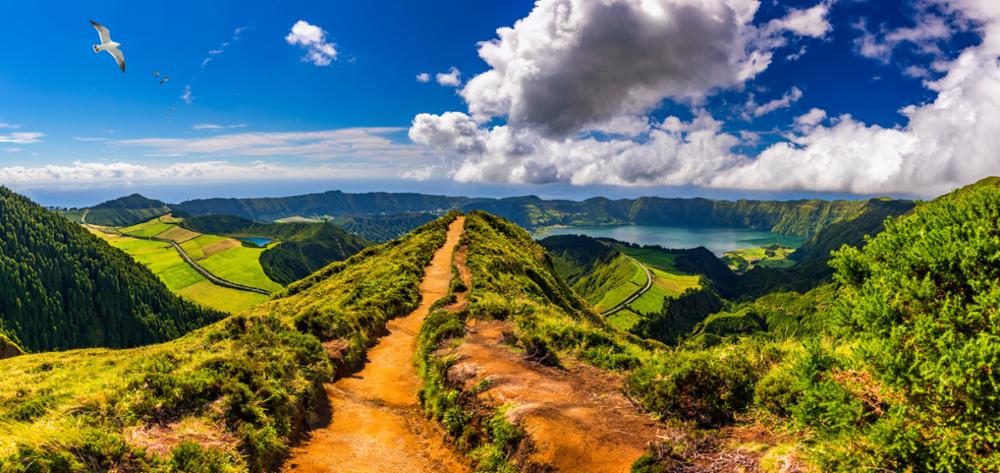
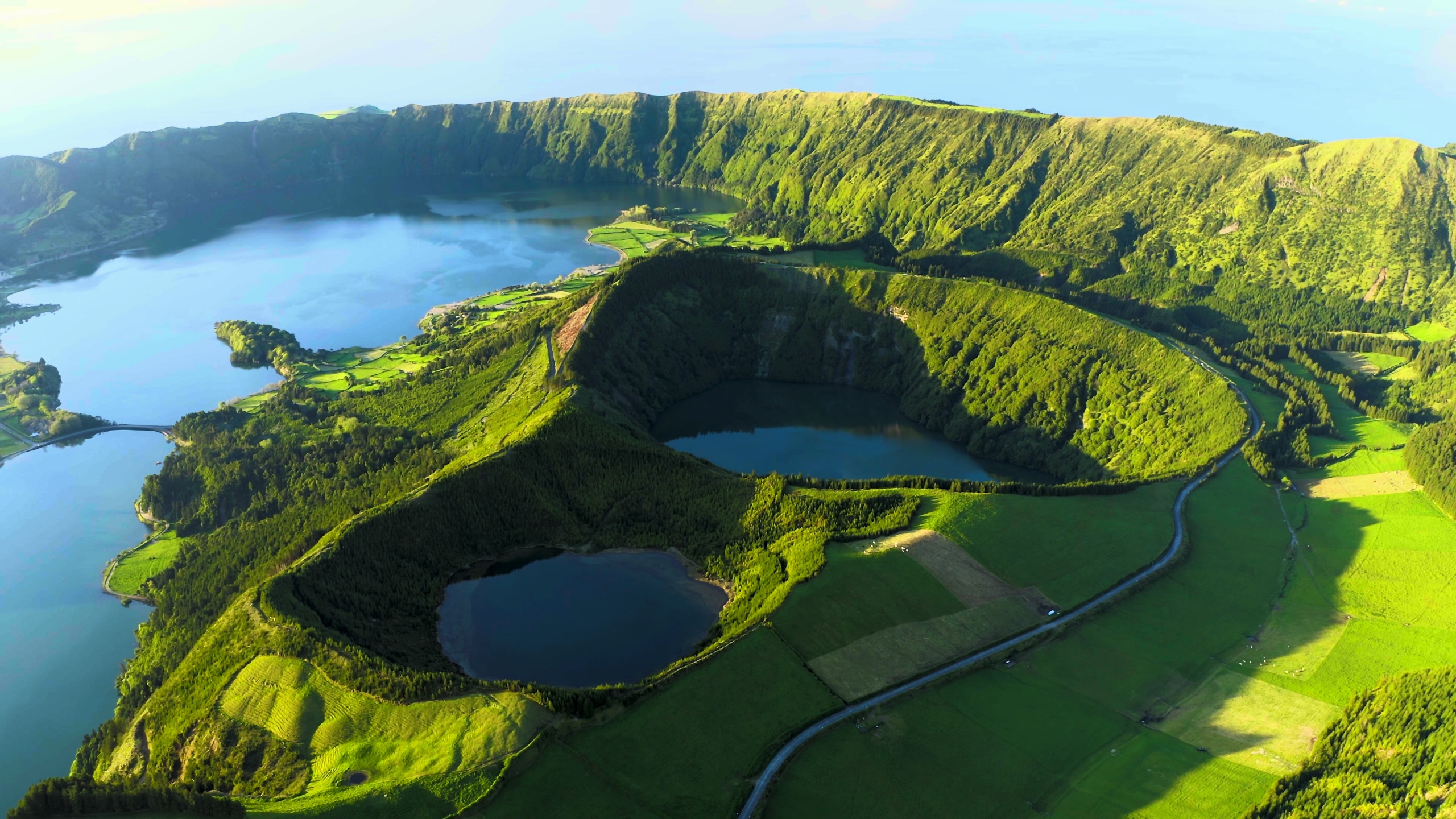
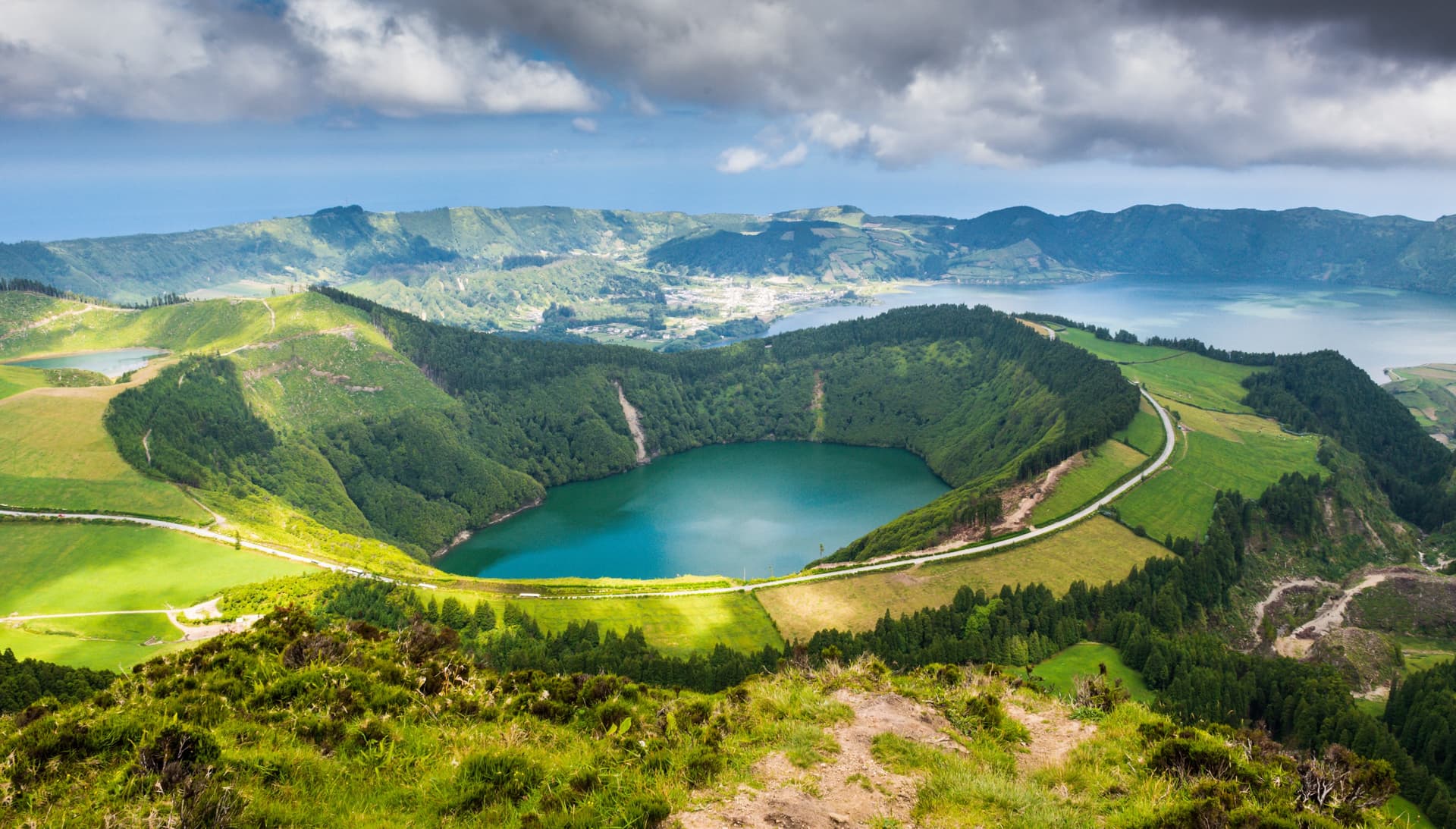
Also located on São Miguel island, the Sete Cidades volcano features two stunning lakes: the Lagoa Azul and the Lagoa Verde, both celebrated for their jewel-like waters… To admire them? Climb to the Miradouro do Cerrado das Freiras and Miradouro da Lagoa de Santiago viewpoints!
The hot springs, natural pools and waterfalls of the Azores
Because of its geothermal activity, the Azores archipelago is dotted with hot springs, thermal pools and waterfalls. Wherever your itinerary takes you, you'll have the chance to discover one of these natural spots, perfect for swimming…
Hot springs on São Miguel island
Poça da Dona Beija
In the west of São Miguel you'll find the Poça da Dona Beija hot springs. Much loved by local residents, these natural baths range from 30 to 39°C! Ideal for relaxing after a day of trekking and open until 11 p.m., they're also perfect for stargazing…
Terra Nostra garden spring
Near Furnas, you'll find the Terra Nostra garden and its geothermal pool at 38°C… Located in the town's botanical garden, this little paradise spans 12 hectares and is home to numerous endemic and exotic plants (including Amazon water lilies), as well as two hot tubs.
Ponta da Ferraria
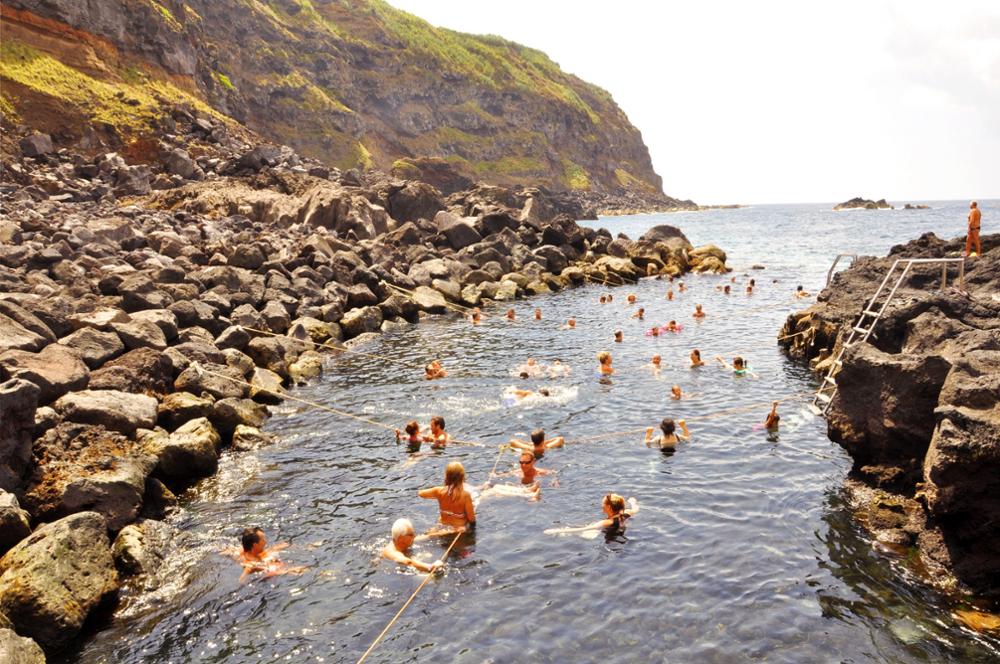
Located right on the Atlantic coast, the natural pools at Ponta Ferraria are hot springs heated to 40°C! During heavy swells, however, temperatures can be lower, while the cold waves of the ocean mix with the pool waters…
Caldeira Velha and Ribeira Grande springs
Classified as a natural monument since 2013, Caldeira Velha consists of small waterfalls and pools, with waters hovering around 38°C. Hidden in the heart of lush nature, it offers a truly relaxing experience away from the crowds…
Less than ten kilometers from the caldeira, you'll find the Termas das Caldeiras da Ribeira Grande – the second largest city on São Miguel. These comprise a set of three small pools.
Simão Dias natural pool
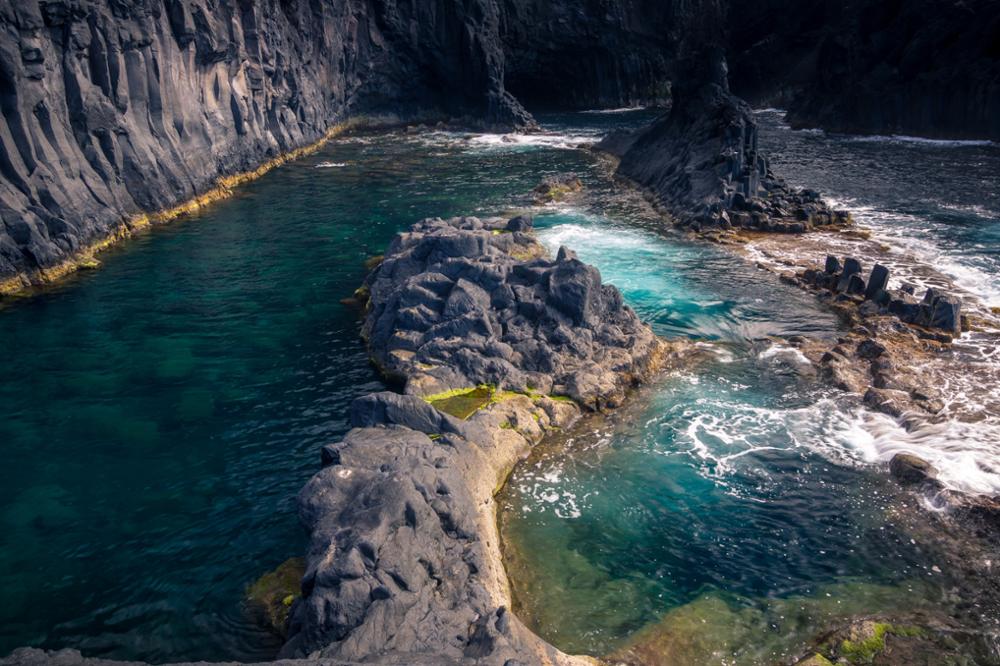
On São Jorge island, you'll find the Poça Simão Dias. Located just steps from the Fajã do Ouvidor (a lava field from Pico da Esperança): this natural pool is an emblematic site of the island… Nestled among the rocks, this natural treasure is wonderfully pleasant for swimming in summer.
Poço do Bacalhau waterfall & more
Just a short walk from Fajã Grande, on Flores island, is the Cascata do Poço do Bacalhau waterfall. Wrapped in lush greenery, it's easily accessible via a small path along the river... Prized for its sunsets, this unspoiled and picturesque spot is open for swimming.
The entire archipelago is also home to many other wonderful waterfalls, such as the Cascata Cai-Água on Santa Maria island or the numerous waterfalls that dot São Miguel (the largest island in the Azores).
The beaches of the Azores
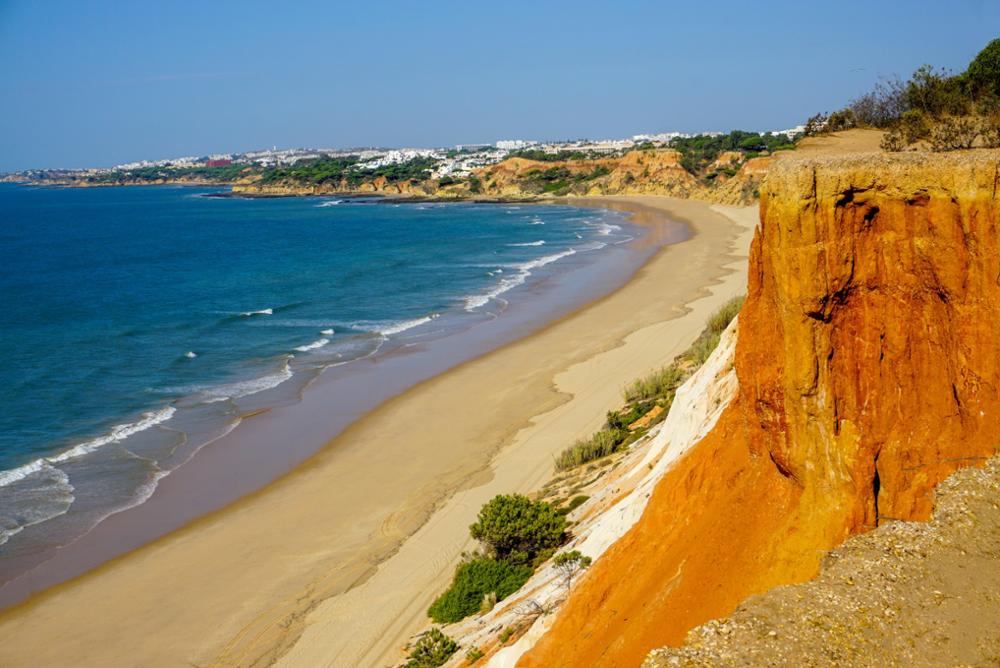
Much like the most beautiful beaches of the Algarve, those of the Azores are well worth visiting. Thanks to its diverse landscapes, the archipelago is home to a multitude of beaches – varied and eclectic depending on which island they're on.
Bordered in turn by cliffs, tea plantations or beach resorts, dotted with black or white sand, hidden or touristy: they offer countless water and aquatic activities, such as scuba diving, surfing or boat excursions, and more.
A few must-see beaches of the archipelago… - Mosteiros and Lombo Gordo beaches (São Miguel island), - Prainha beach (Terceira island); - Porto Pim beach (Faial island); - Formosa beach (Santa Maria island). |
Whales off the Azores islands
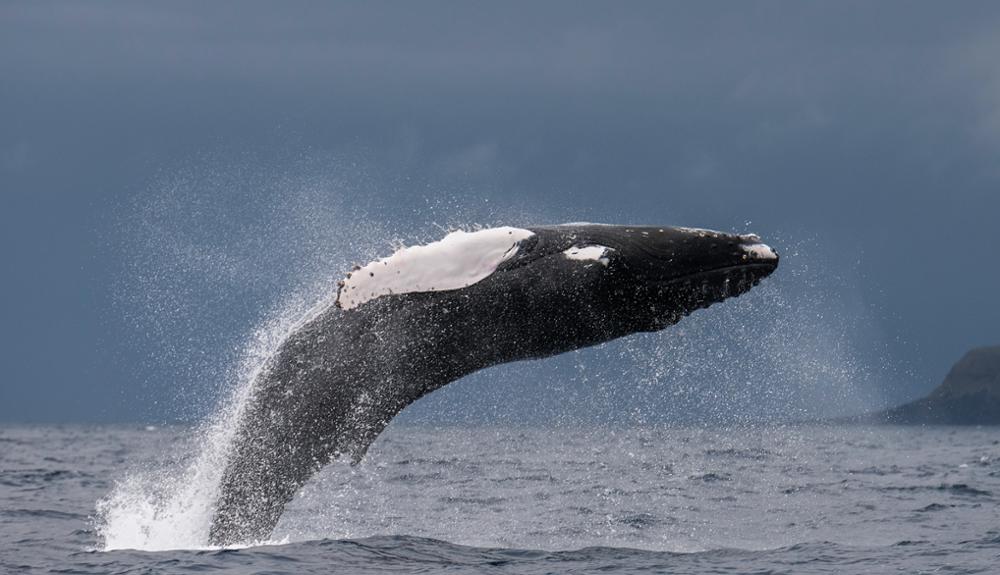
The archipelago is also a privileged place to observe marine mammals. Why? It's home to over twenty species of cetaceans off its coasts! Protected from hunting since the late 1980s, whales in particular are very present in the archipelago's waters.
Each year, during the month of August, Pico island even hosts a festival in their honor (the town of Lajes do Pico was once famous for its whalers…). Want a chance to spot cetaceans? Plan your trip for late winter or early spring (between March and September).
Boat excursions are available from all islands in the archipelago, and from São Miguel in particular. During your boat trip, you'll likely have the chance to spot dolphins, sperm whales and fin whales too!
Frequently asked questions
The Azores are a Portuguese archipelago located in the Atlantic Ocean, made up of nine volcanic islands. The main islands to visit are São Miguel (the largest), Pico, Faial, Flores, Terceira, São Jorge, Graciosa, Santa Maria and Corvo.
The Azores can be visited year-round thanks to their mild, humid climate. To observe whales and dolphins, favor the period from March to September. To enjoy natural pools and beaches, summer (July-August) is ideal, with more stable temperatures.
From France, it's possible to reach the Azores by plane, with direct flights or connections via Lisbon. SATA Airlines (Azores Airlines) offers regular connections from several European airports. Flight time from Paris is approximately 3.5 to 4 hours.
Yes, the Azores are one of the best places in the world to observe whales. The archipelago is home to over twenty species of cetaceans. Boat excursions are available from all islands, particularly São Miguel and Pico. The best period is between March and September.
Most hot springs in the Azores are easily accessible and open to the public. Some, like the Poça da Dona Beija springs on São Miguel, are open until 11 p.m. and ideal for relaxing after a hike. Others, like the Terra Nostra garden, are part of paid sites with complete tourist amenities.
It depends on which volcano you visit. The trail around the Capelinhos volcano on Faial is easily accessible and suitable for everyone. On the other hand, climbing Ponta do Pico (2,351 meters altitude) on Pico island requires good physical fitness and proper preparation. It's recommended to check with local tourism offices before you go.