Where to See the Most Beautiful Azulejos in Portugal?
It's impossible not to fall under the spell of azulejos when traveling to Portugal. To experience this quintessential Portuguese art form, we take you on a journey to discover the most beautiful azulejos in Portugal, from Lisbon to Porto via Válega and Almancil.
It's impossible not to fall under the spell of azulejos when traveling to Portugal. To experience this quintessential Portuguese art form, we take you on a journey to discover the most beautiful azulejos in Portugal, from Lisbon to Porto via Válega and Almancil.
Azulejo art in a nutshell...
Derived from the Arabic word "al-zulej" (meaning "smooth and polished stone"), azulejos were first introduced by the Arabs in the 13th century, who mastered ceramic decoration to perfection. This art form later adopted its characteristic colors (blue and white), drawing inspiration from Chinese earthenware brought back by Portuguese navigators. The art of azulejo flourished during the 17th and 18th centuries and became a defining feature of Rococo architecture.
Adorning entire façades and wall sections, azulejos became prominent on houses, in churches and palaces. Hand-painted, azulejos depict geometric motifs and scenes from everyday life. Today, azulejo has become an emblem of Portugal and continues to captivate audiences worldwide.
The National Museum of Azulejo in Lisbon
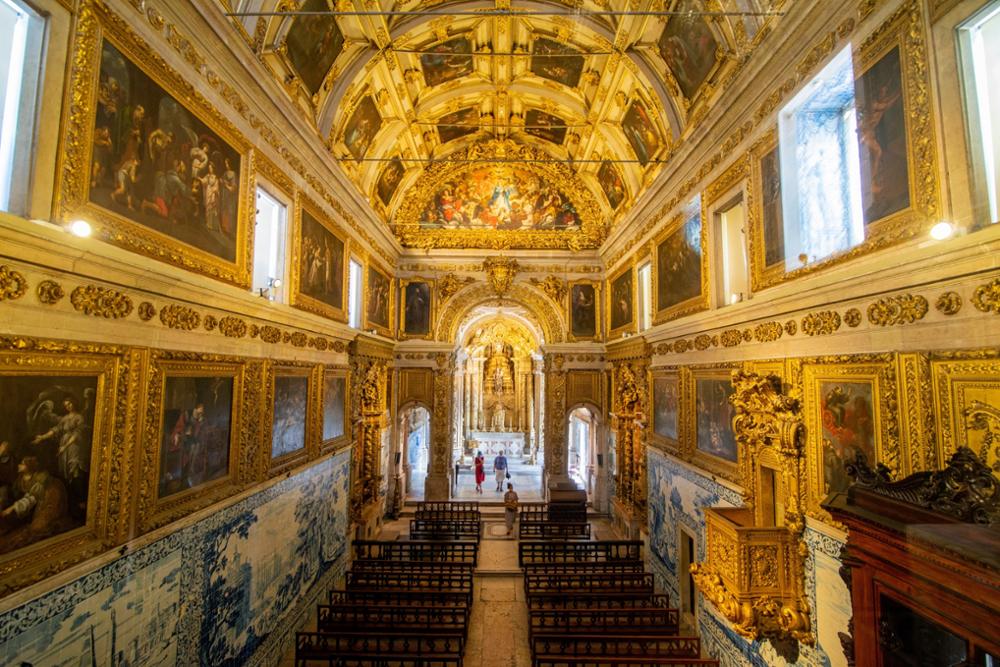
The National Museum of Azulejo (Museu Nacional do Azulejo) is THE museum not to miss for learning more about azulejo art. Located in the former Madre de Deus convent on the outskirts of downtown Lisbon, the museum's interior showcases the exuberance of 18th-century Baroque design. More importantly, it traces 500 years of azulejo art history.
Across two floors, visitors discover more than 7,000 pieces, from Hispano-Moorish geometric patterns to Antwerp tiles and Baroque pieces to more contemporary works. Don't miss the Grand Panorama of Lisbon, an impressive 23-meter-long fresco composed of 1,300 azulejos depicting the city before the 1755 earthquake.
Practical information
Address : R. Me. Deus 4, 1900-312 Lisboa, Portugal
Hours : Tuesday to Sunday 10 am to 6 pm, closed Mondays
Admission: 5 euros
Queluz National Palace in Queluz (near Lisbon)
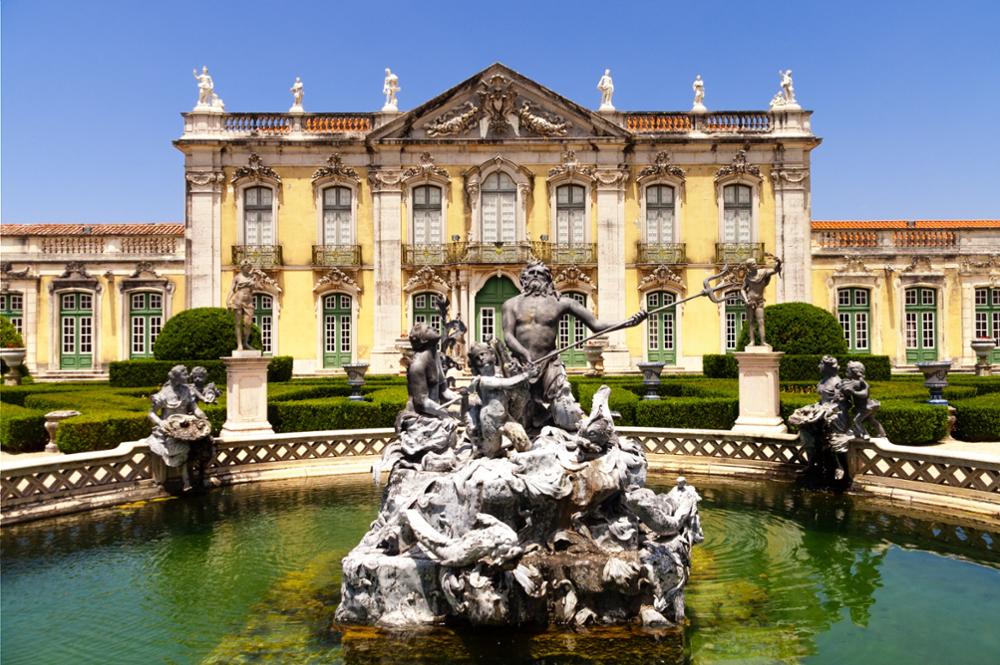
Queluz National Palace (Palácio Nacional de Queluz) ranks among the major sites of azulejo art. Located 5 km northwest of Lisbon, it served as the royal family's summer residence from the second half of the 18th century. Often compared to a small Versailles, the palace represents one of the finest examples of Rococo style.
You can discover the gallery of azulejos (also called the Mangas corridor), a long passageway connecting the two main wings of the palace and still featuring some ceramics that predate the 1755 earthquake. These blue and yellow tiles illustrate the seasons, continents, scenes from classical mythology, chinoiseries, and hunting scenes.
In the gardens, you'll be dazzled by the azulejos lining the Azulejo Canal, through which the Ribeira do Jamor river flows, where the royal family once took boat rides. In total, nearly 50,000 azulejos represent seascapes along this 115-meter-long canal.
Practical information
Address : Largo Palácio de Queluz, 2745-191 Queluz, Portugal
Hours: Open daily from 9 am to 6:30 pm
Admission: 5 euros per adult (3.50 euros for ages 6-17 and seniors over 65)
Fronteira Palace in Lisbon
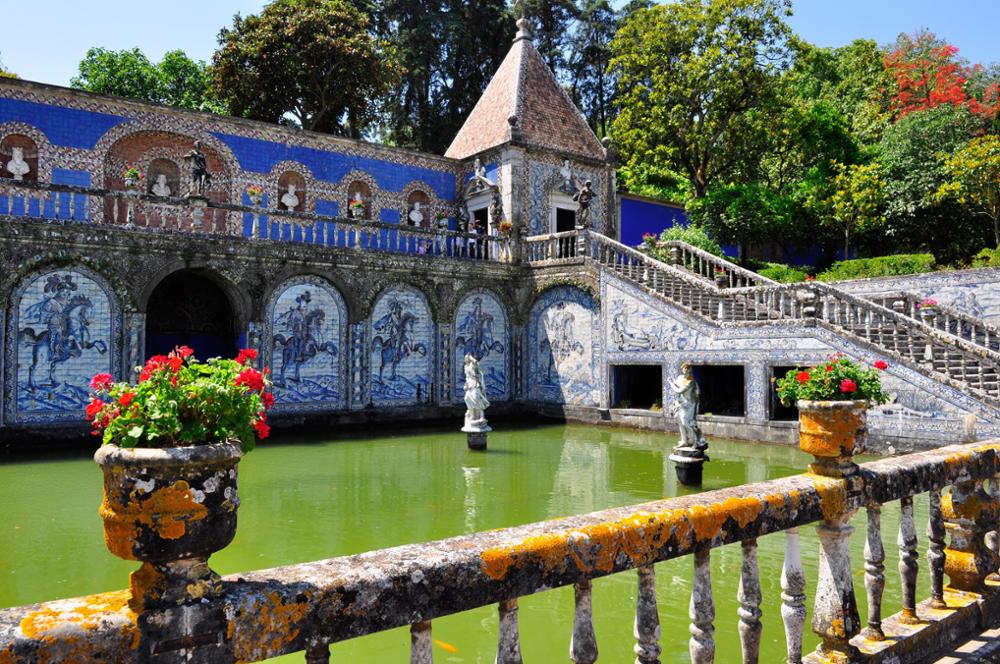
Fronteira Palace (Palácio Fronteira) is a former hunting lodge built in 1640 for the 1st Marquis of Fronteira. Still inhabited by the 12th marquis of the same name, the palace is now owned by the Fronteira and Alorna Houses Foundation.
Some spaces are open to the public (all interior visits are by guided tour only). Renowned for its abundance of azulejos, you'll find them both inside and outside.
Practical information
Address : Largo São Domingos de Benfica 01, 1500-554 Lisboa, Portugal
Hours :
English-speaking guided tours of the Palace interior Monday to Saturday: 10:30 am, 12 pm, 1:30 pm and 3 pm
Gardens tour : 10 am to 5 pm Monday to Saturday
Admission :
Guided tours of palace and gardens : 14 euros
Gardens only : 6 euros (audioguide: 3 euros extra)
São Bento Train Station in Porto
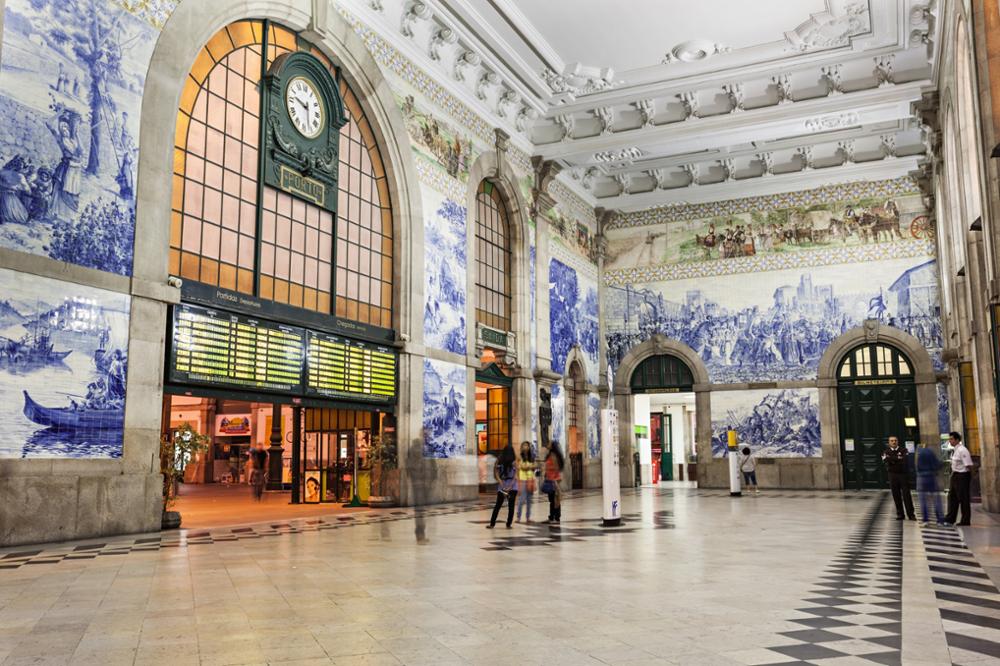
A visit to Porto is incomplete without experiencing the magnificent Estação de São Bento. Indeed, São Bento train station is considered one of the most beautiful train stations in the world. Built on the site of the former convent of Saint-Benoît-d'Ave-Maria, this station was constructed in 1900 by renowned architect José Marques da Silva.
Upon entering the main hall, you'll see an impressive fresco of 20,000 tiles painted by artist Jorge Colaço. The fresco depicts the Battle of Ceuta and traces the evolution of transportation methods, from their origins to the advent of the train. Other smaller panels represent scenes from various chapters of regional history and life.
Practical information
Address : Praça Almeida Garrett, 4000-069, Porto, Portugal
Hours : open daily; best visited in late afternoon to avoid crowds.
Free admission
Chapel of Souls in Porto
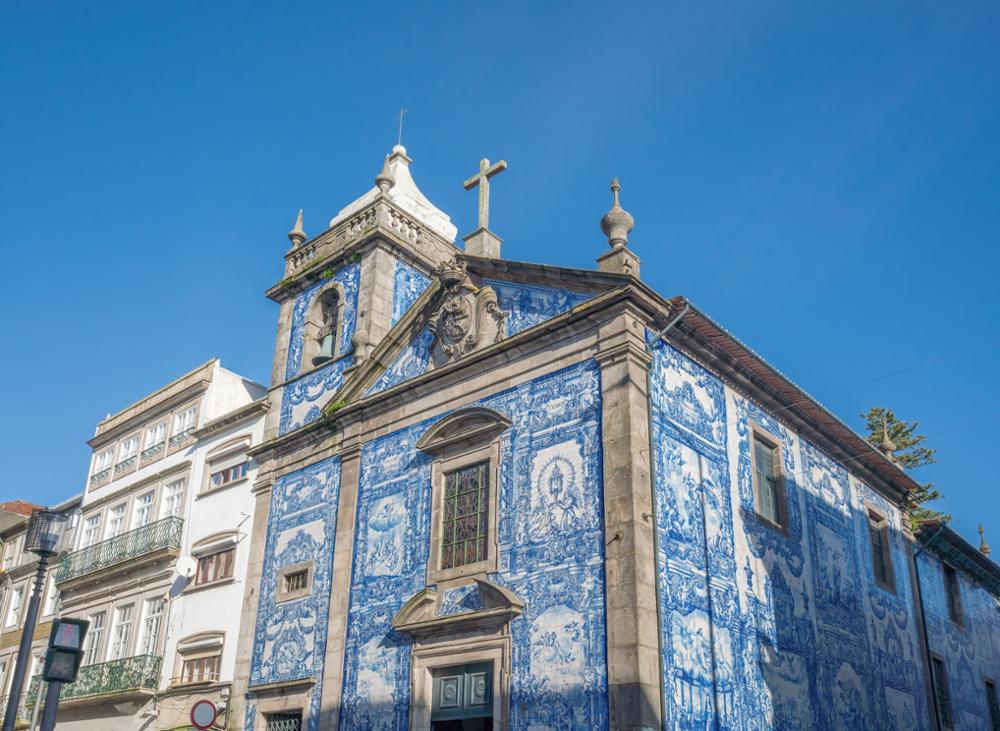
Located in a bustling neighborhood of Porto, at the corner of Santa Catarina Street, the Capela das Almas (Chapel of Souls) is known for its façade entirely adorned with azulejos. Although the church dates from the 18th century, the azulejos were only added in 1929.
Created by painter Eduardo Leite, the azulejos depict scenes from the life of Saint Francis of Assisi and Saint Catherine. In total, the artist used 15,947 azulejos covering an area of 360 square meters.
Practical information
Address : R. de Santa Catarina 428, 4000-124 Porto, Portugal
Hours : Monday to Friday 7:30 am to 6 pm and Saturday to Sunday 7:30 am to 12:30 pm and 6 pm to 7:30 pm
Free admission
Church of São Lourenço in Almancil (Algarve)
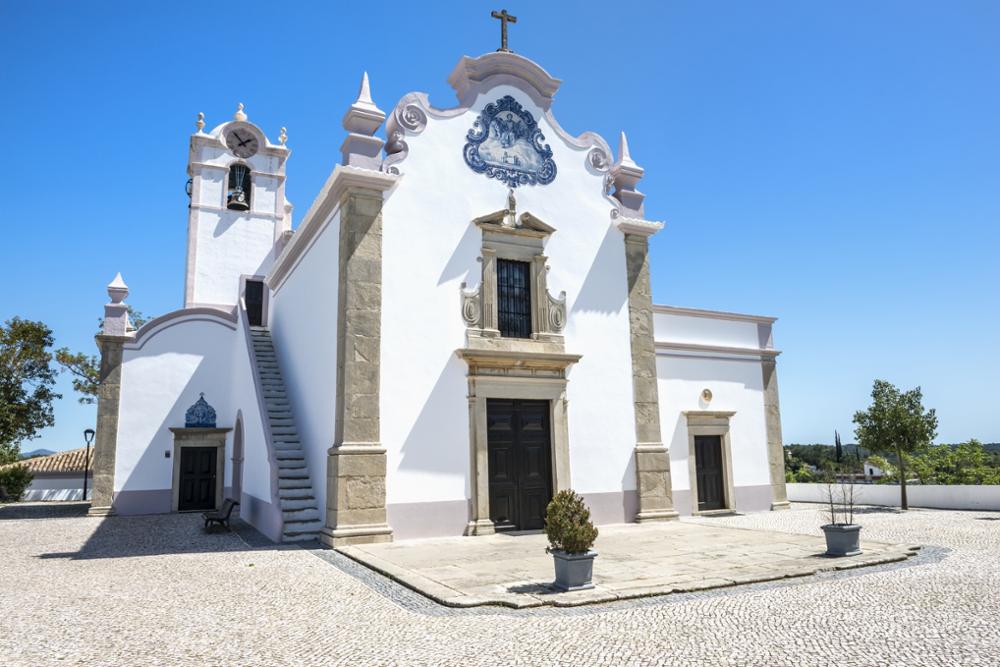
Located in Almancil, about ten minutes from Faro, the Church of Saint Lawrence of Almancil (Igreja de São Lourenço) is a Baroque-style church that absolutely must be seen when visiting the Algarve. Built in the 18th century to honor Saint Lawrence, it's worth the visit for its architecture, which exemplifies typical Portuguese Baroque style. The interior is entirely covered with azulejos depicting key moments in the life of São Lourenço (Saint Lawrence). The ensemble dates from 1730 and was created by painter Policarpo de Oliveira Bernardes.
Practical information
Address : R. da Igreja s/n, 8135-027 Almancil, Portugal
Hours : open Monday 3 pm to 5 pm, Tuesday to Saturday 10 am to 1 pm and 3 pm to 5 pm, closed Sunday
Admission : 2 euros (free for children and seniors over 65)
Church of Válega in Válega
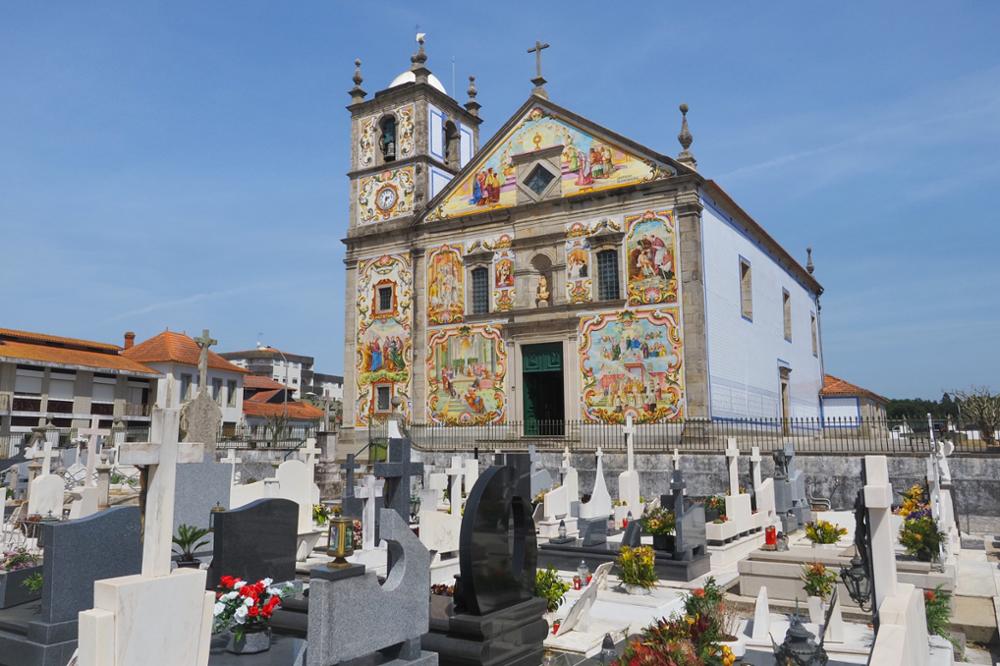
A true masterpiece of Baroque art magnified by azulejos, the Church of Válega in Válega (Igreja Matriz de Santa Maria de Válega) is undoubtedly one of Portugal's most impressive churches. Located in the heart of the country, it's even nicknamed the "Portuguese Sistine Chapel."
Its success lies in magnificent azulejos that, for once, display multicolored hues. Although construction began in 1746, the azulejos weren't added until 1975. They depict biblical scenes as well as historical events from the region. We recommend visiting the Church of Válega at sunset when the tiles are bathed in golden light... Guaranteed magical atmosphere!
Practical information
Address : R. da Igreja Matriz, 3880-506 Válega, Portugal
Hours : open Monday to Saturday 2 pm to 7 pm and Sunday 8:30 am to 12 pm and 2 pm to 6 pm.
Free admission
Other emblematic places to see azulejos in Portugal:
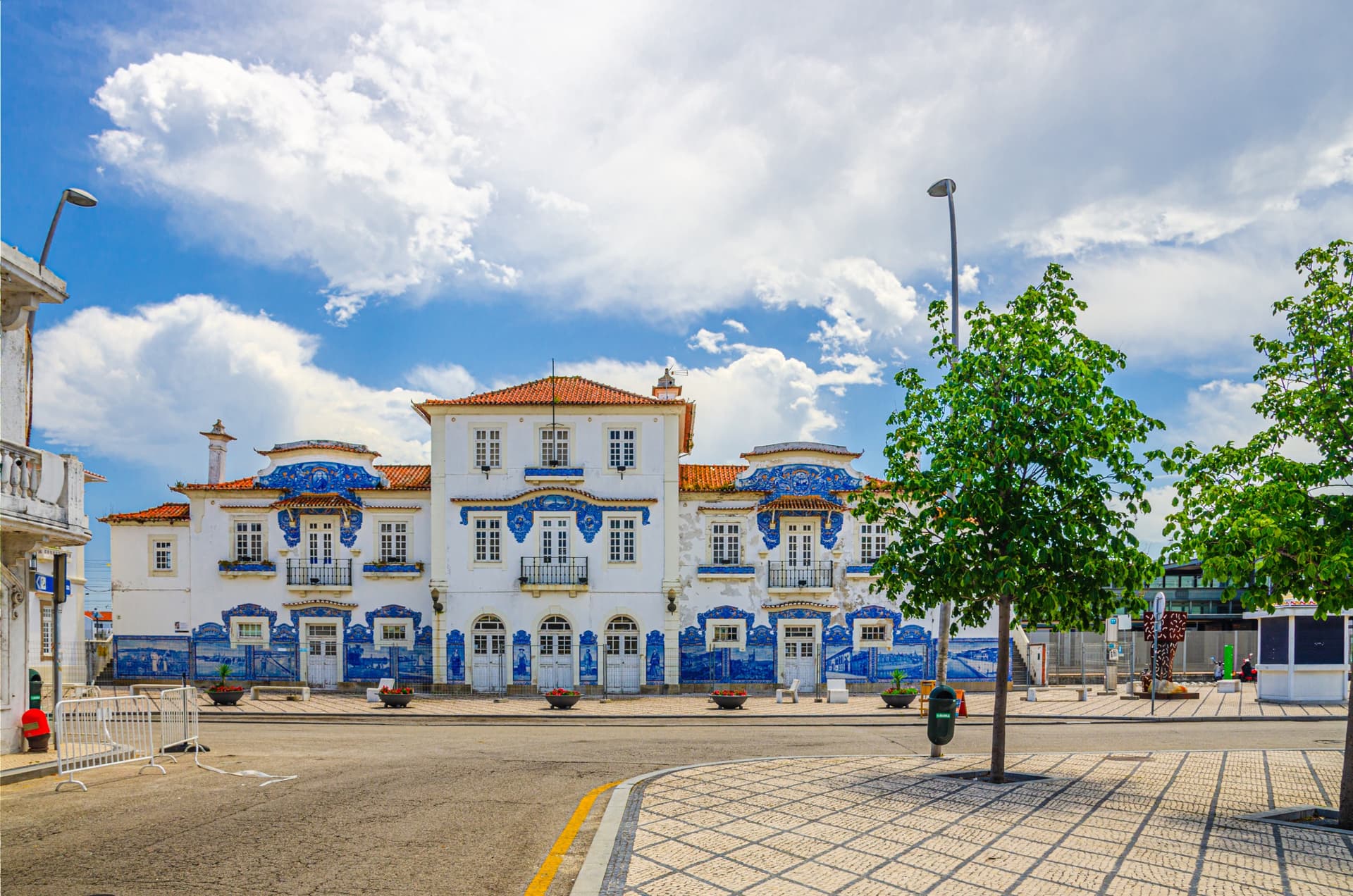
The former train station in Aveiro,
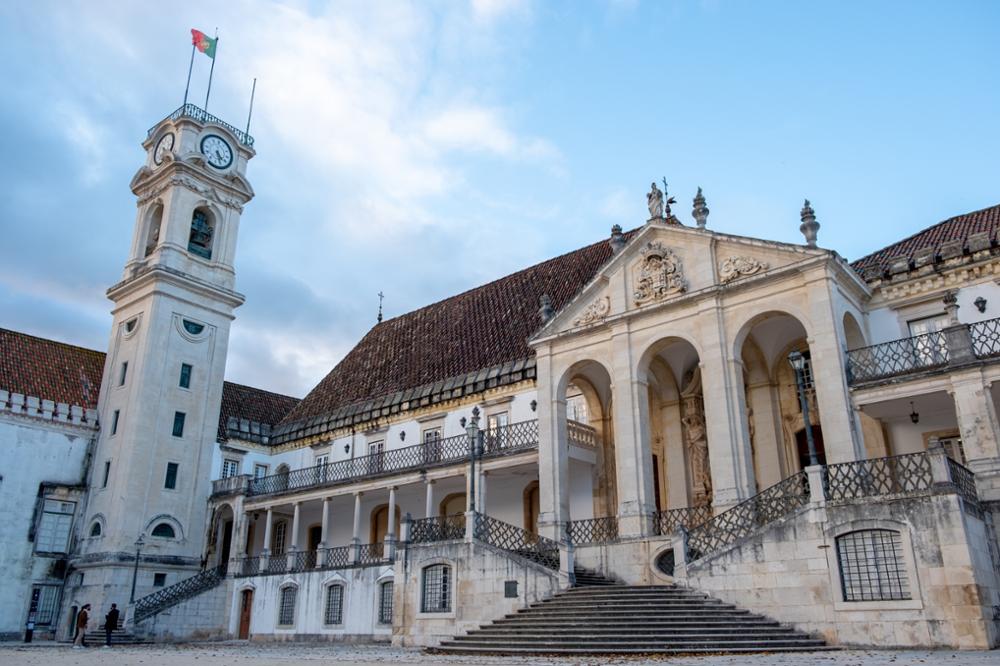
University of Coimbra (Universidade de Coimbra), notably the Royal Chapel of Saint Michael,
Pinhão Train Station (Estação Ferroviária do Pinhão),
Church of Nossa Senhora de Nazaré (Nossa Senhora de Nazaré),
University of Évora (Universidade velha évora),
Small Chapel of São Brás in Évora (Ermida de São Brás),
Chapel of Rainha Santa Isabel (Capela de Rainha Santa Isabel)…
Frequently asked questions
An azulejo is a hand-painted ceramic tile that is characteristic of Portuguese architecture. Its name comes from the Arabic word 'al-zulej' meaning 'smooth and polished stone'. Introduced by the Arabs in the 13th century, it adopted its distinctive blue and white tones under the influence of Chinese earthenware brought back by Portuguese navigators, before reaching its peak in the 17th and 18th centuries.
The National Museum of Azulejo (Museu Nacional do Azulejo) is the absolute must-see in Lisbon. Housed in the former Madre de Deus convent, it traces 500 years of azulejo art through more than 7,000 pieces. It features the 'Grand Panorama of Lisbon', a fresco composed of 1,300 azulejos measuring 23 meters long.
No, entry to the main hall of São Bento Train Station in Porto is completely free. You simply need to visit during opening hours. To avoid crowds, it's recommended to visit in the late afternoon. You can admire a fresco of 20,000 azulejos created by artist Jorge Colaço.
Yes, Queluz National Palace is located just 5 km northwest of Lisbon, making it an easy day trip. The palace is open daily from 9 am to 6:30 pm and entry costs 5 euros per adult. It is particularly famous for its canal lined with nearly 50,000 azulejos depicting seascapes.
Yes, several sites outside the major cities are worth visiting. In the Algarve, the Church of Saint Lawrence of Almancil (near Faro) has an interior entirely covered with azulejos from 1730. In central Portugal, the Church of Válega, nicknamed the 'Portuguese Sistine Chapel', dazzles with its multicolored azulejos added in 1975. Other remarkable sites can be found in Aveiro, Coimbra, Pinhão and Évora.
Admission to the National Museum of Azulejo in Lisbon costs 5 euros. The museum is open Tuesday to Sunday from 10 am to 6 pm. It's advisable to check updated hours on the official website before your visit, as they may vary by season and holidays.