Manteigas
Manteigas
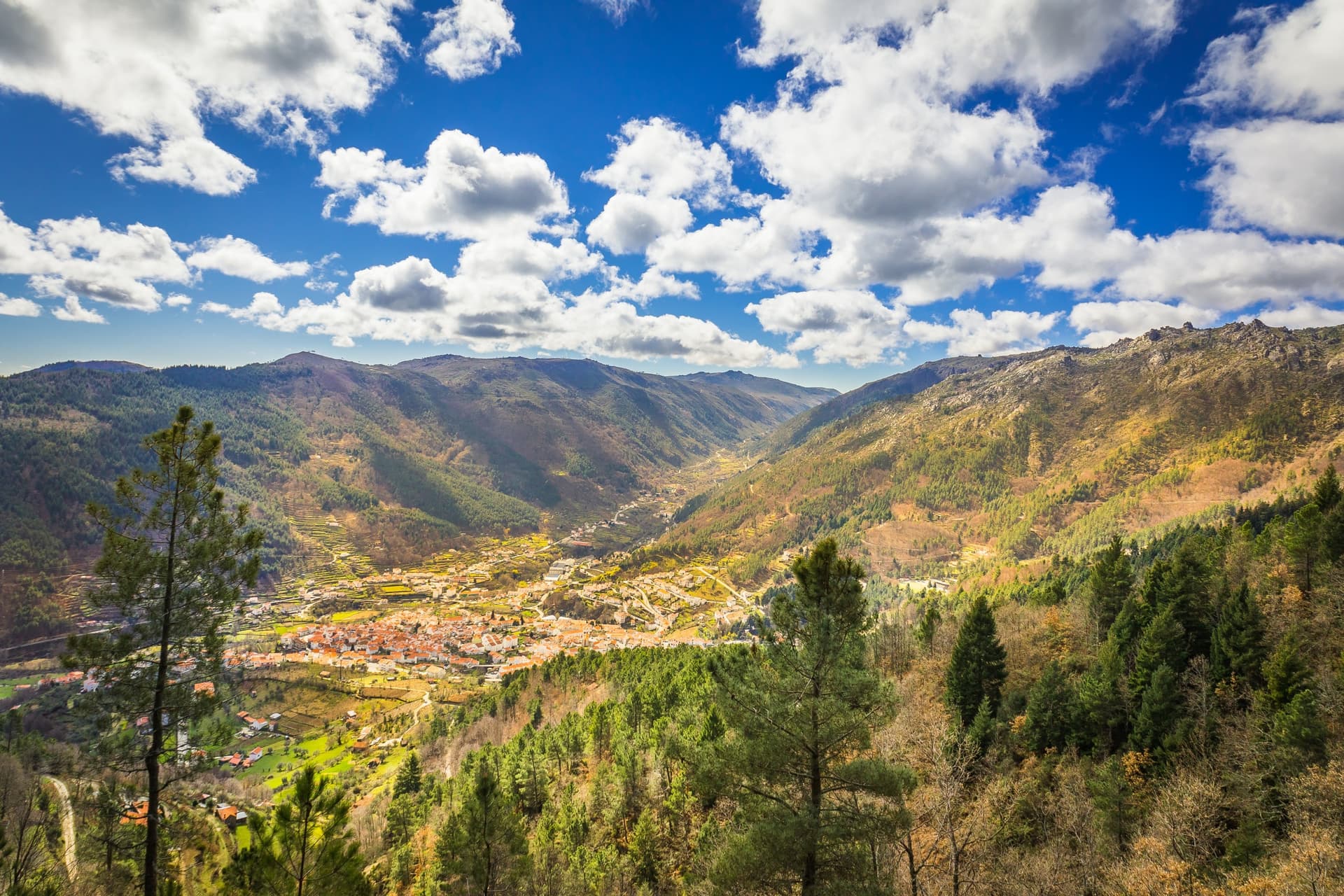
In the heart of Serra da Estrela, Manteigas is a granite village nestled in Europe's largest glacial valley. Hiking, thermal springs and heritage await.
Manteigas is among the most captivating landscapes within the Serra da Estrela natural park. Its 12,198 hectares span the Coração plains, from the Zêzere valley to the slate-rich lands of the northeast. The Manteigas ecosystem showcases quintessentially Portuguese scenery—both vibrant in colour and rich in diversity.
History
Manteigas once fell under Moorish control. Following the Reconquista, King D. Sancho I's foremost concern was restoring Portugal's regions to their former cultural identities—recovering the lands, customs and traditions that Roman invasion and Muslim occupation had displaced. The first step in this cultural restoration was to legally establish Manteigas as a municipality. A charter granted by the king between 1186 and 1188 attests to this founding.
The origin of the name "Manteigas" remains a mystery. Multiple theories abound. Some suggest Roman legions named the region after their victory over Portugal's final defensive lines, while others propose settlement long before Caesar's forces arrived. Regardless, when D. Sancho I founded the municipality, he retained this name.
Manteigas lost its municipal status on 26 June 1896, following an administrative reform that swept across the country. The locality was annexed to Guarda. Later, Joaquim Pereira de Mattos—a Manteigas resident and head of a thriving woollen mill enterprise in Portalegre—campaigned to reverse the annexation. Through his influence, Manteigas regained its "municipality" status on 13 January 1898.
Why Visit Manteigas?
Landscapes Worth Exploring
Manteigas draws visitors for the richness of its terrain and the immersive nature experiences it offers. Among its highlights:
- The São Lourenço beech forest, the largest across the entire Iberian peninsula. Hiking trails crisscross this woodland reserve, which glows in chestnut and golden hues come autumn, and transforms into lush, verdant landscapes on summer days.
- The 13 km glacial valley carved by the Zêzere river (Europe's largest glacial valley).
- The "Torre do Cume"—a 7-metre tower standing at the summit of a 1,993-metre mountain, marking the highest point of mainland Portugal. (The country divides into its insular and continental portions.)
- The sculptured rock of Covão do Boi, perched at 1,850 metres, a 7-metre monument erected by artist António Duarte in homage to Senhora da Boa Hora, protector saint of shepherds.
- The imposing snow-capped peaks of Cântaro Magro, featured on countless Portuguese postcards.
- The mountainous setting of Covão d'Ametade (where Zêzere springs forth).
- The Poço do Inferno waterfall.
- The Covão da Ponte bathing spot—a tranquil, verdant corner shaded by trees along the Zêzere's banks.
Religious Sites
Christian faith runs deep through Portugal's history, and Manteigas's churches, religious festivals and pilgrimages bear witness. Nineteen religious structures dot the region, including:
- The Chapel of Nossa Senhora da Estrela
- The Chapel of São Lourenço
- The Chapel of Nossa Senhora dos Verdes
- São Pedro Church
- The Chapel of Nossa Senhora de Fátima
Best Time to Visit?
Travel to Manteigas between June and September. Days are sunny, rainfall minimal (33 mm), and temperatures hover around 15°C.
If using public transport, note that buses run on weekdays only, connecting Manteigas to Covilhã (28 km east). Taxis are also available.
Manteigas's terrain is uneven; exploring on foot or by bicycle proves more pleasurable. That said, the town centre remains accessible by car.
Attractions in Manteigas
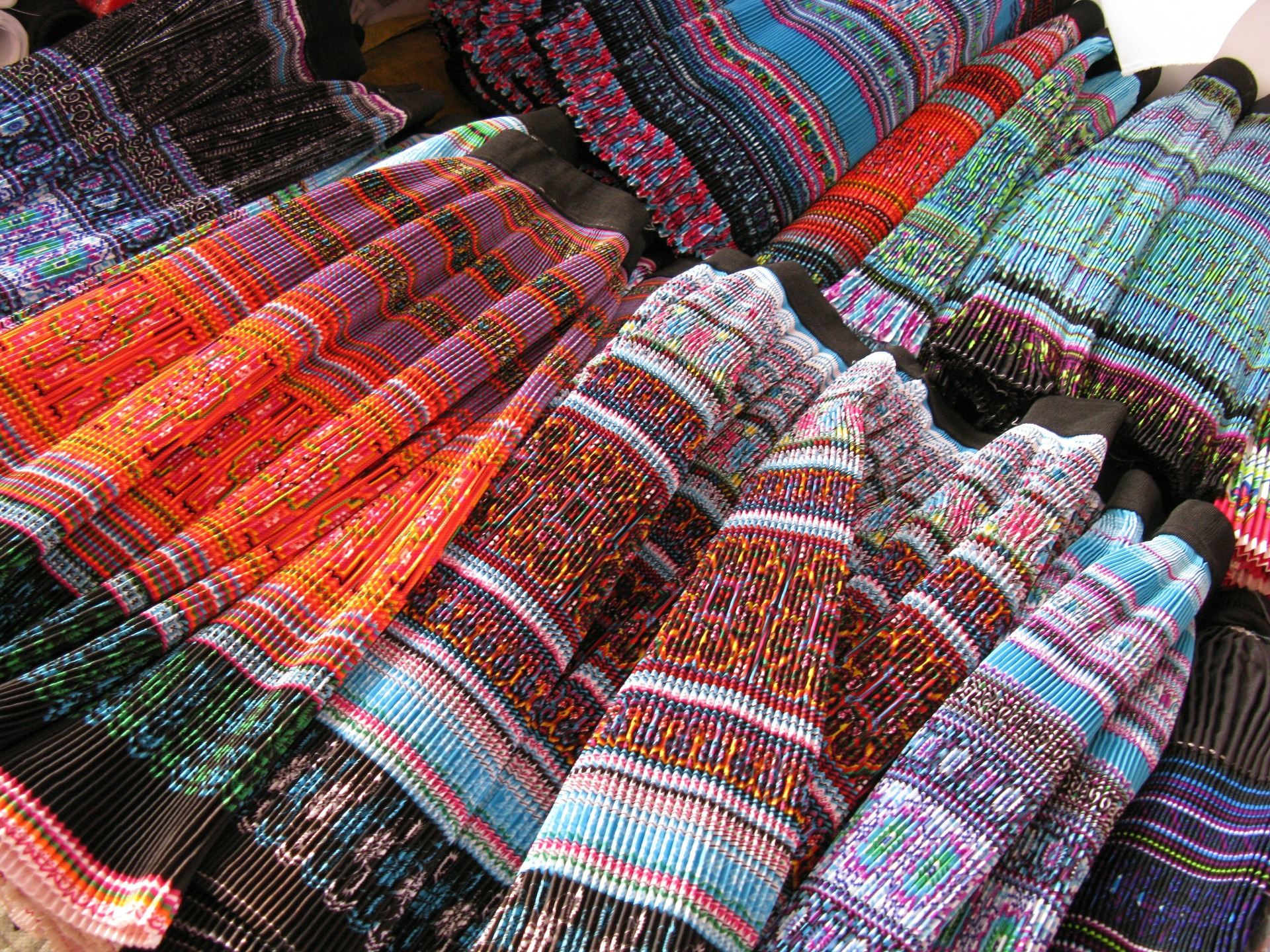
Burel Factory
À Manteigas, la Burel Factory transforme un tissu de laine traditionnel des bergers de la Serra da Estrela en objets de design contemporain.
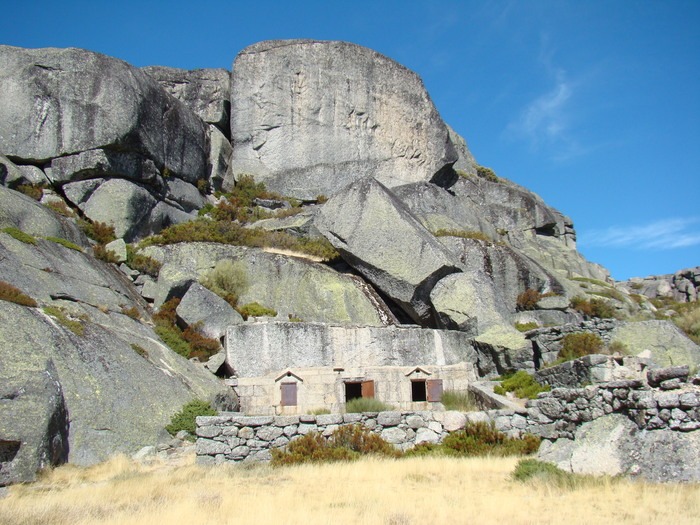
Nave Mestra
Formation granitique de la Serra da Estrela, Nave Mestra associe une faille rocheuse spectaculaire, une maison de 1910 et une vue sur la vallée du Zêzere.
Want to discover this destination?
Our local advisors design your tailor-made trip.