Pastéis de nata: Everything you need to know about this Portuguese delicacy
Pastéis de nata are delicious Portuguese delicacies. Sweet and made with cream, these traditional small custard tarts are also an opportunity to discover the country. How? Through their history and by exploring the streets of Portugal in search of the best places to enjoy a pastel de nata!
Pastéis de nata are delicious Portuguese delicacies. Sweet and made with cream, these traditional small custard tarts are also an opportunity to discover the country. How? Through their history and by exploring the streets of Portugal in search of the best places to enjoy a pastel de nata!
What is the origin of pastéis de nata?
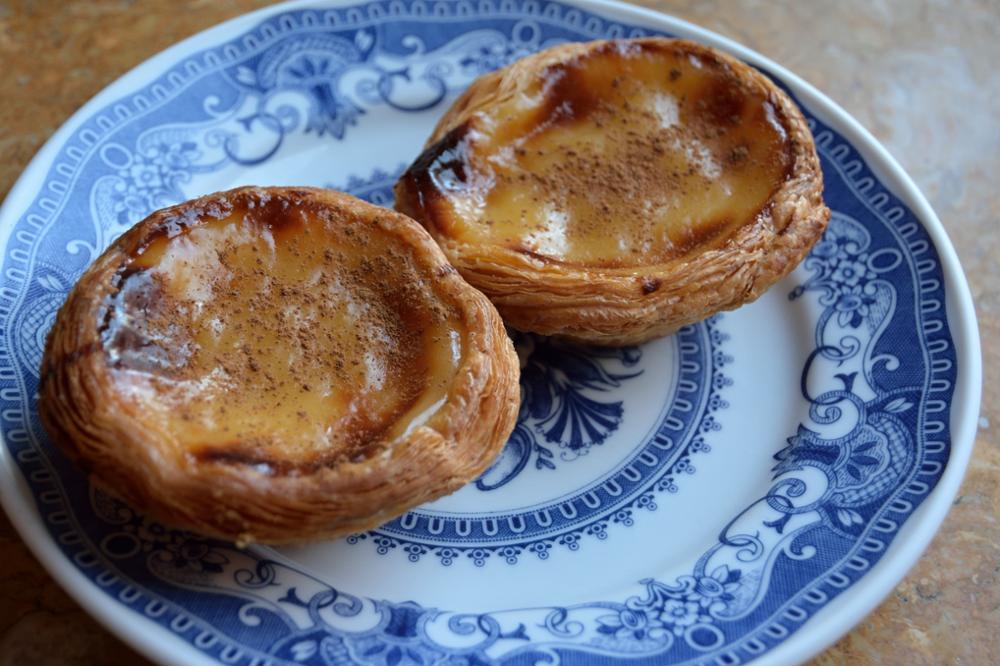
Like geography, architecture, or art, gastronomy is a way to discover a country. Renowned for the beauty of its landscapes, its buildings, and its fado music, Portugal is also famous for its pastéis de nata! Known throughout the world, these small Portuguese custard tarts are far more than simple pastries. To learn about their origin, head to Belém – the famous district of Lisbon, located on the banks of the Tagus estuary...
We are at the beginning of the 19th century. At that time, a sugarcane refinery stood just steps away from the magnificent mosteiro dos Jerónimos. It was there, during the popular revolution of 1820 (the famous liberal revolution) that the first pastel de nata was sold.
Why? During the uprising, all religious buildings closed their doors. Expelled from the Hieronymite monastery, a cleric began selling these cream pastries (originally made in the monastery) in a small shop at the refinery to survive. These custard tarts have since been commonly called pastéis de Belém.
Where to find the best pastel de nata in Portugal?
Since pastéis de nata are an institution, you'll find them almost everywhere. For a successful and flavorful experience, here are three places renowned for the quality of their traditional pastries:
1. The Pastéis de Belém factory
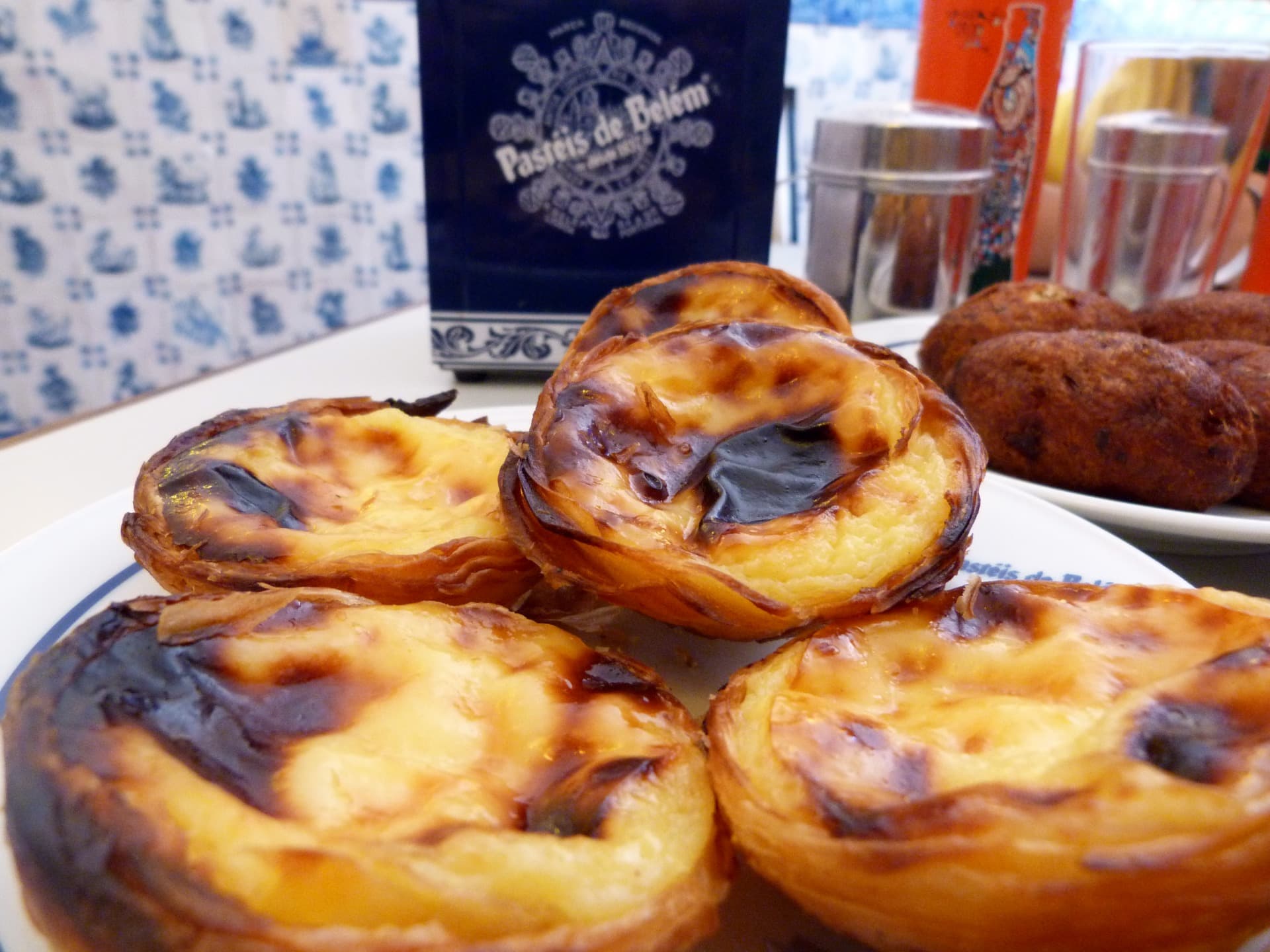
If the original recipe comes from the kitchens of the mosteiro dos Jerónimos, the Pastéis de Belém factory (still located next to the monastery) is today the only one holding the true composition! The pastéis are made there in the Oficina do Segredo by master pastry chefs bound by a confidentiality clause, preventing them from divulging the recipe.
It's common for a long line to form at the entrance of the antiga Confeitaria de Belém, located at 84-92 Rua de Belém. A tip? Rather than waste your time waiting: go in and enjoy your pastel on the spot! It's an opportunity to taste other house specialties, such as Bolo Inglês (cakes with candied fruit) or the famous Portuguese marmelada (quince paste).
2. The pastelaria Santo António
Located in the Alfama neighborhood at 10 rua Milagre de Santo António, this pastry shop won the 11th national competition for the best pastel de Nata in Lisbon in 2019! On site? You'll discover a beautiful building with tiled facades dating from the previous century.
3. Atelier Castro
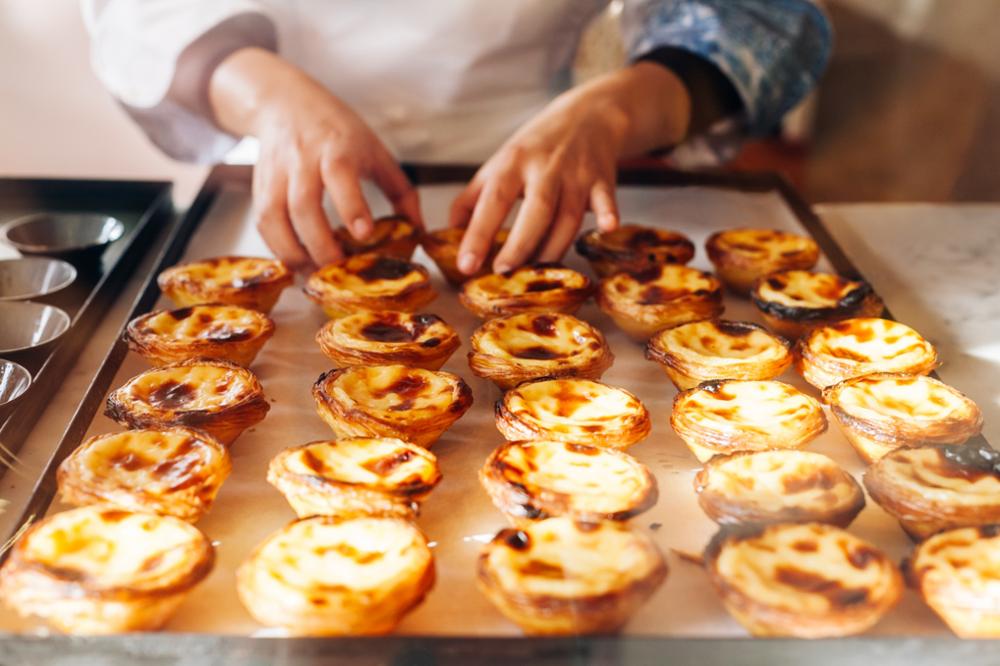
Located in Lisbon (at 38 rua Garrett), but also in Porto (at 27 rua Mouzinho da Silveira), Atelier Castro is renowned for its artisanally crafted pastries. To offer pastéis of "superior quality," the shop uses only the finest ingredients. To enhance its desserts, Atelier Castro collaborates with Vista Alegre, the very first Portuguese porcelain factory, opened in 1824.
What is the recipe for pastéis de nata?
While its original preparation is kept secret, many recipes allow you to taste this Portuguese delicacy. Its variations are endless. Here's an indulgent recipe for pastéis de nata that are as soft inside as they are crispy on the outside!
1. Ingredients needed (for 12 pastéis)
- 1 puff pastry sheet;
- 4 egg yolks;
- 250 ml of milk;
- 75 ml of water;
- 30 g of flour;
- 150 g of sugar;
- zest of one untreated lemon (if desired);
- ground cinnamon
Since molds dedicated to pastéis are difficult to find outside Portugal, use small tartlet molds.
2. Preparation (40 minutes)
1. After cutting your puff pastry into 12 equal pieces – and pre-greasing your molds – place your small pieces inside each mold, tapping them gently. Set aside.
2. In a pan, heat 150 ml of milk (and the optional lemon zest). At the same time, in a bowl, dilute the flour in the remaining 100 ml of milk. When the pan begins to boil, add the bowl mixture and stir until you get a thick texture.
3. Separate the egg yolks. Set aside.
4. Mix the water and sugar in a saucepan. Boil for 4 minutes, then pour this syrup over your preparation, stirring.
5. After letting cool for a few minutes, add the egg yolks.
6. Stir well and pour the creamy mixture into your molds (without filling them completely).
7. Bake for 15 minutes at 230°C (in a preheated oven).
8. Dust with cinnamon.
9. Enjoy (hot or cold, according to your preference)!
Frequently asked questions
The terms are often confused. Pastel de Belém specifically refers to the tarts produced by the Confeitaria de Belém in Lisbon, according to the original secret recipe guarded since the 19th century. Pastel de nata is the generic term for all variations of this Portuguese cream custard tart, which can be found throughout Portugal and around the world.
The price of a pastel de nata varies depending on the establishment, but generally ranges between €1 and €1.50 per piece in most pastry shops. At the famous Confeitaria de Belém, expect to pay around €1.30 to €1.50 per unit.
Yes, it is absolutely possible to bring back pastéis de nata. However, it is advisable to consume them within 24 to 48 hours of purchase to enjoy their freshness. Keep them at room temperature for short-term transport, or refrigerated if you need to store them longer. You can warm them for a few minutes in the oven to restore their crispy texture.
Portuguese tradition dictates that you enjoy a pastel de nata accompanied by a coffee (espresso or galão, Portuguese milky coffee). It is usually dusted with ground cinnamon and sometimes powdered sugar. It can be enjoyed either warm fresh from the oven or cold.
Absolutely. Traditional molds dedicated to pastéis de nata are difficult to find outside of Portugal. Regular tartlet molds, available at any kitchen supply store, work perfectly for making the recipe at home.