Practical information Portugal
From our agency in Lisbon, Emeline and our English-speaking local team have gathered here all the information you'll need to prepare your trip to Portugal with peace of mind. The country belongs to the European Union and the Schengen area: no visa required for French, Belgian, Swiss or Canadian citizens for tourism purposes, just a valid ID card or passport. Health-wise, no mandatory vaccines, the European health insurance card is useful for EU citizens, and the hospital system is solid in major cities. Budget: expect 90 to 150 euros per day and per person in mid-range comfort, excluding flights, more if you stay in historic pousadas or dine regularly in the Michelin-starred restaurants of Lisbon and Porto. Climate varies sharply from the humid north to the dry south: Porto receives 1200 mm of rain per year, Faro barely 500. For transport, the motorway network is dense but toll-based (Via Verde electronic tolls), Alfa Pendular trains connect Lisbon, Coimbra and Porto in under 3 hours, and car rental remains essential for exploring the Alentejo or Serra da Estrela. Safety: Portugal regularly ranks in the top 5 worldwide on the Global Peace Index, with standard caution against pickpockets on tram 28 and certain tourist areas. We also share our insights on local etiquette, tap water (drinkable everywhere), connectivity (excellent 4G/5G) and customary tipping.
Plan your trip by theme
Explore our practical guides organized by category to quickly find the information you need.
Before You Go
ID card or passport for EU nationals, Schengen requirements for others, travel insurance recommended.
3 articles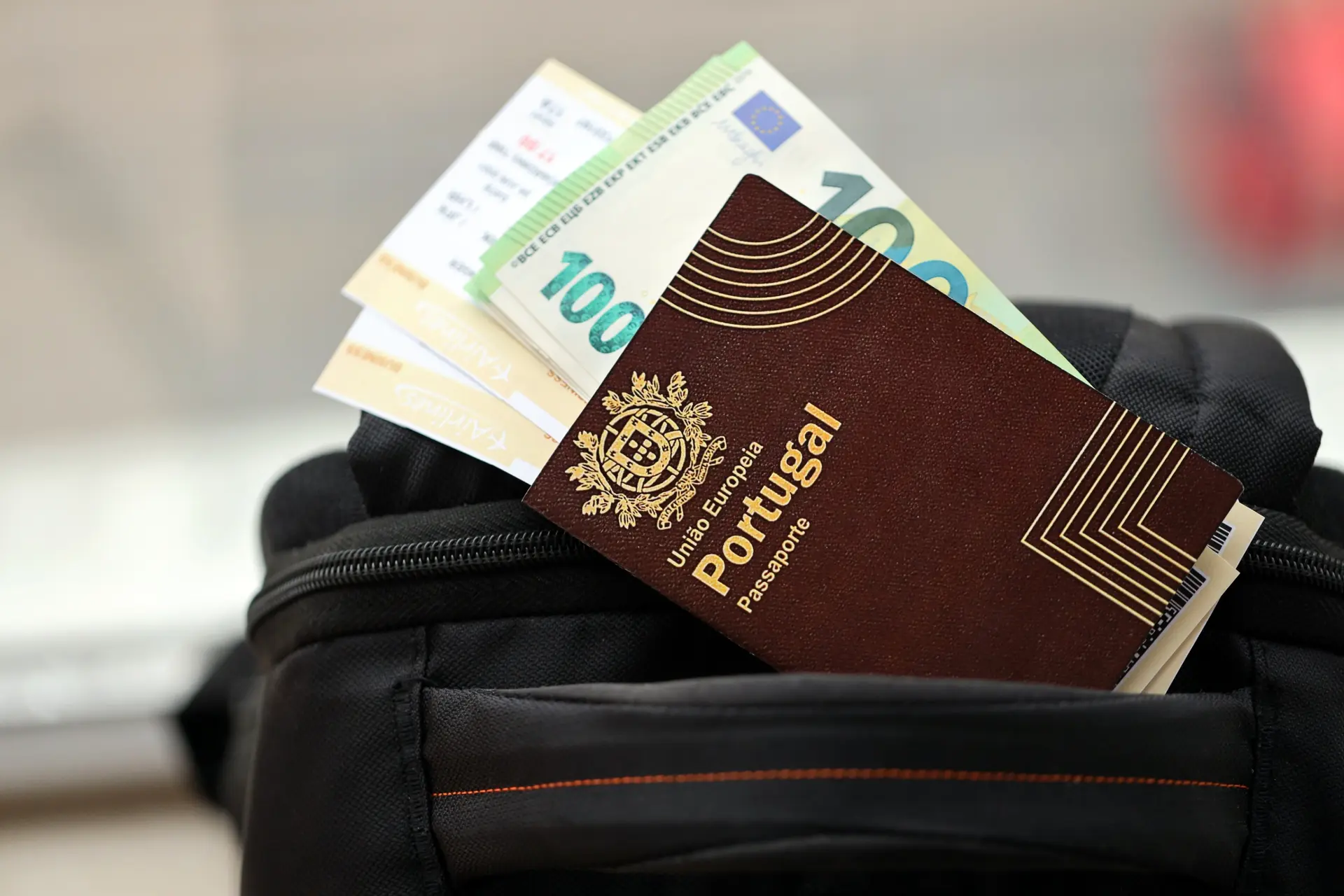
Budget
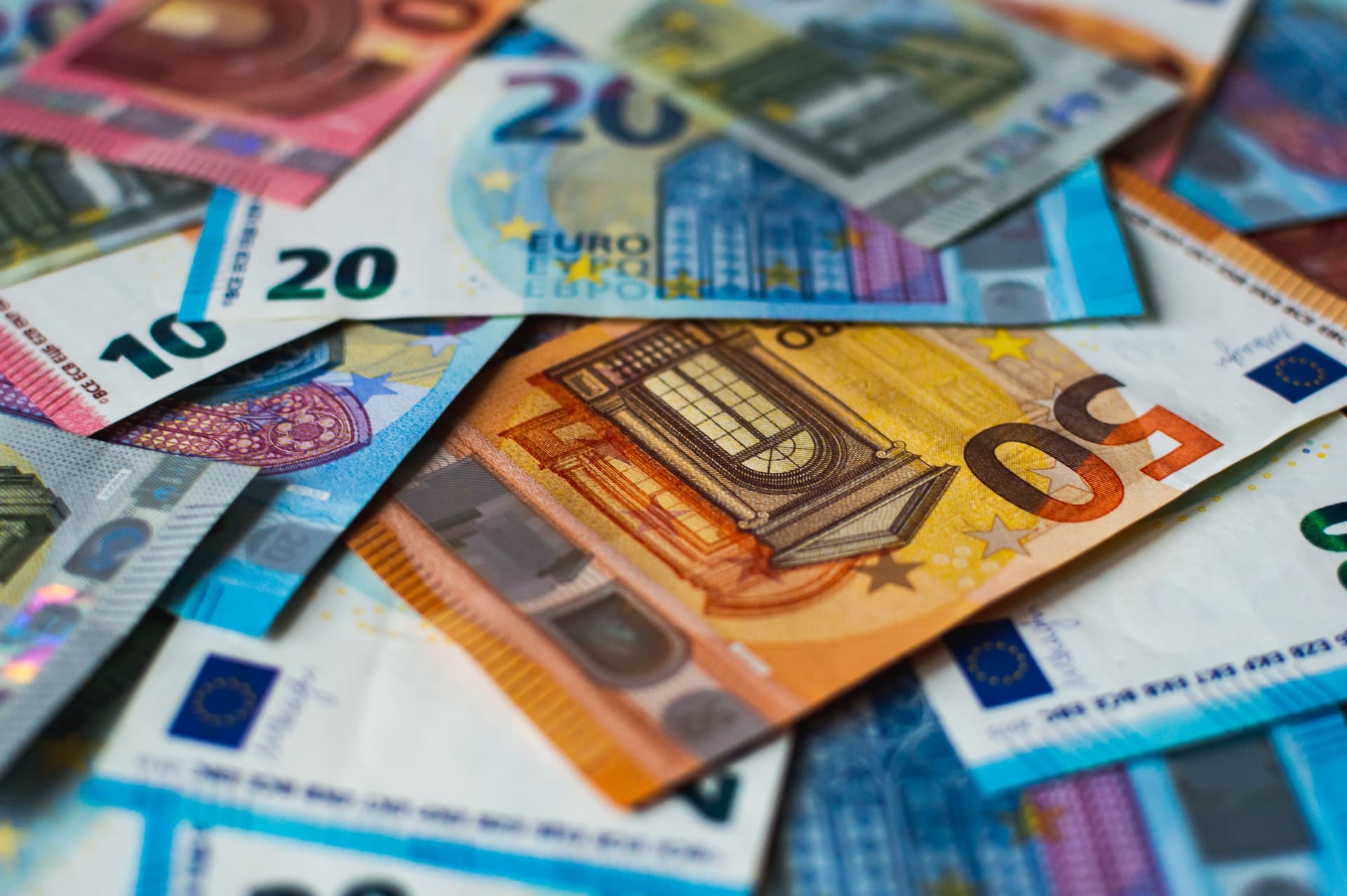
Euro, credit cards accepted everywhere, reliable Multibanco ATMs, budget range 90-150 euros/day/person, tipping 5-10%.
1 article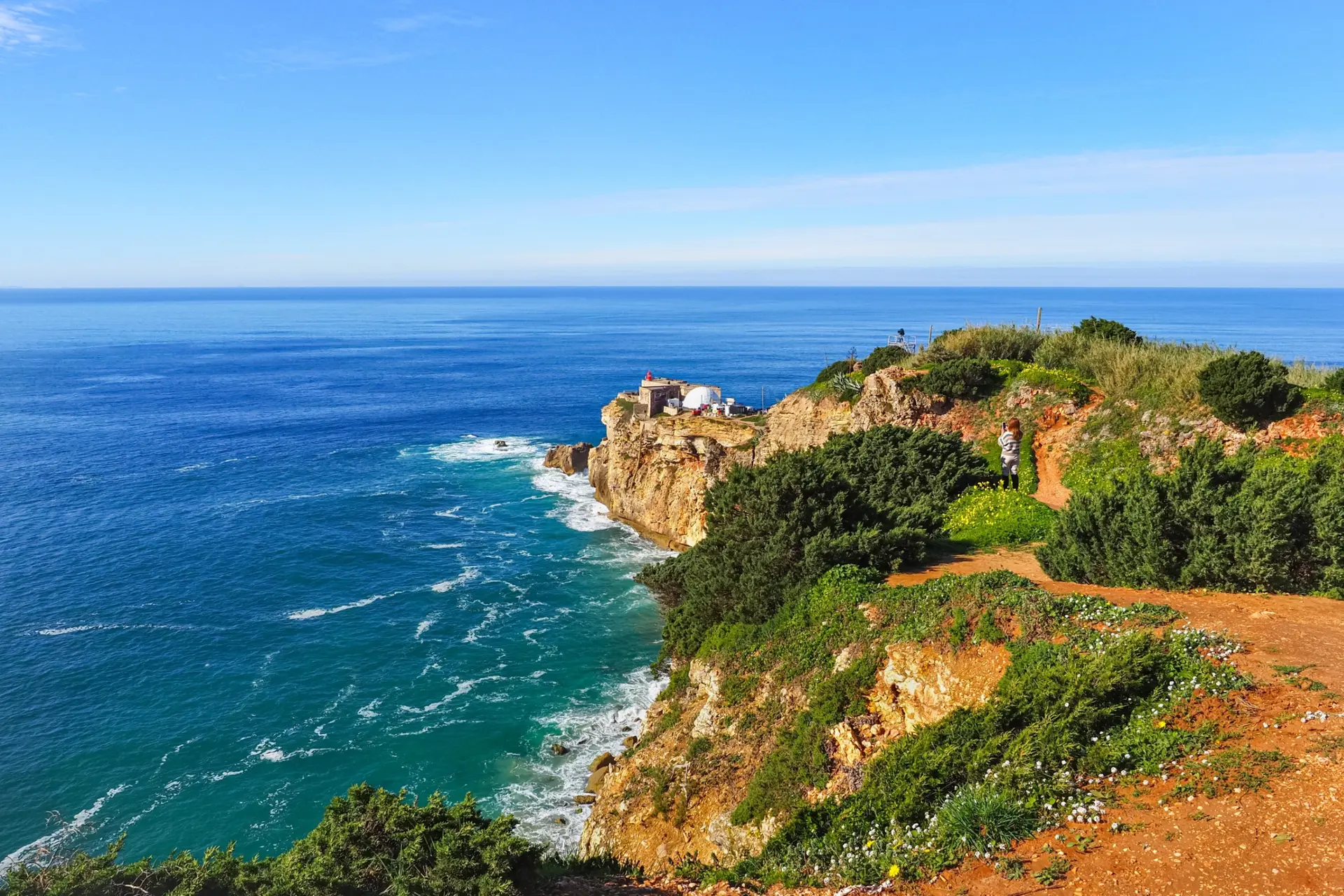
Climate Season
Humid north, dry south, summers 28-35°C in the south, mild winters 10-15°C, ideal periods April-June and September-October.
1 article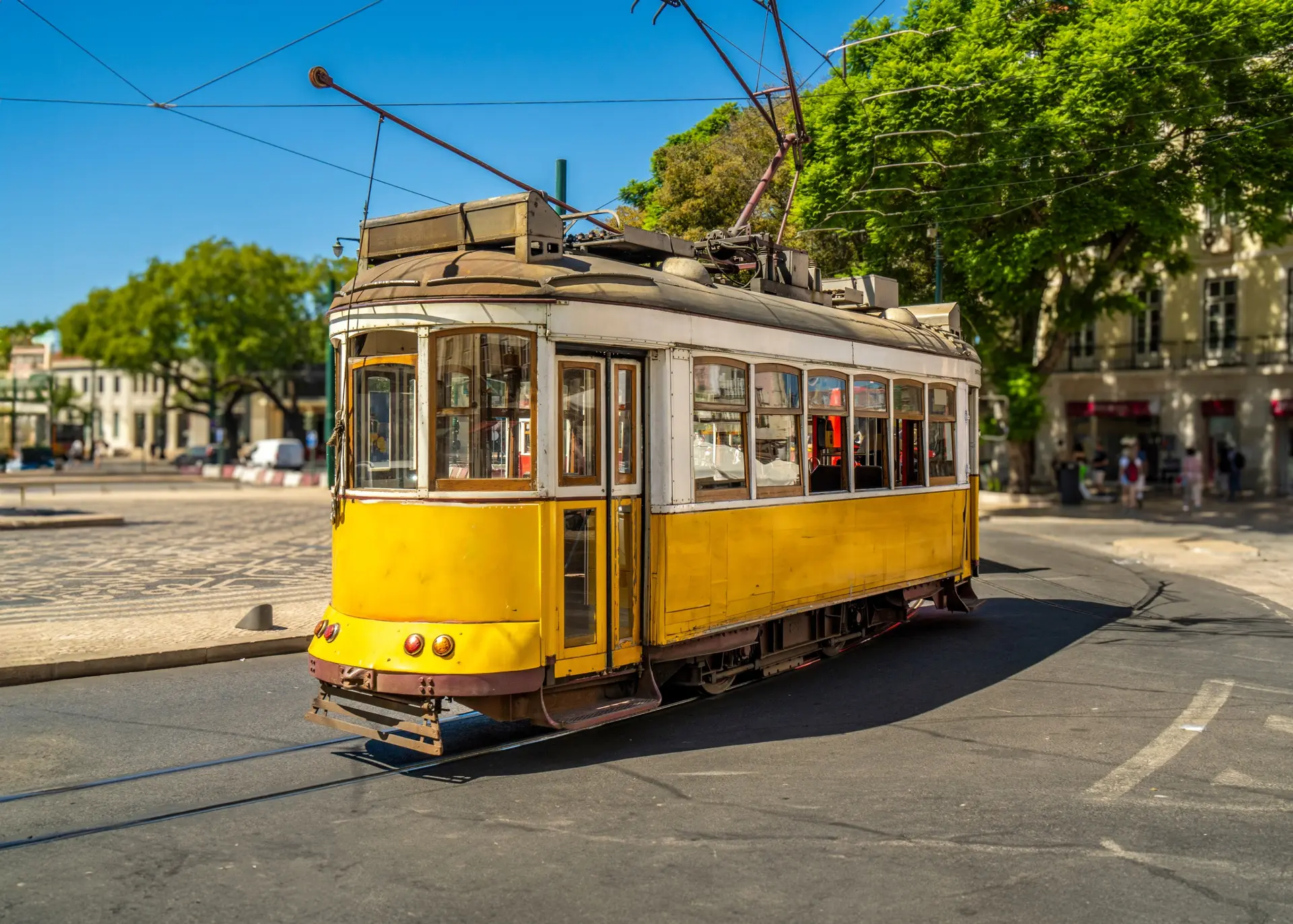
Transports
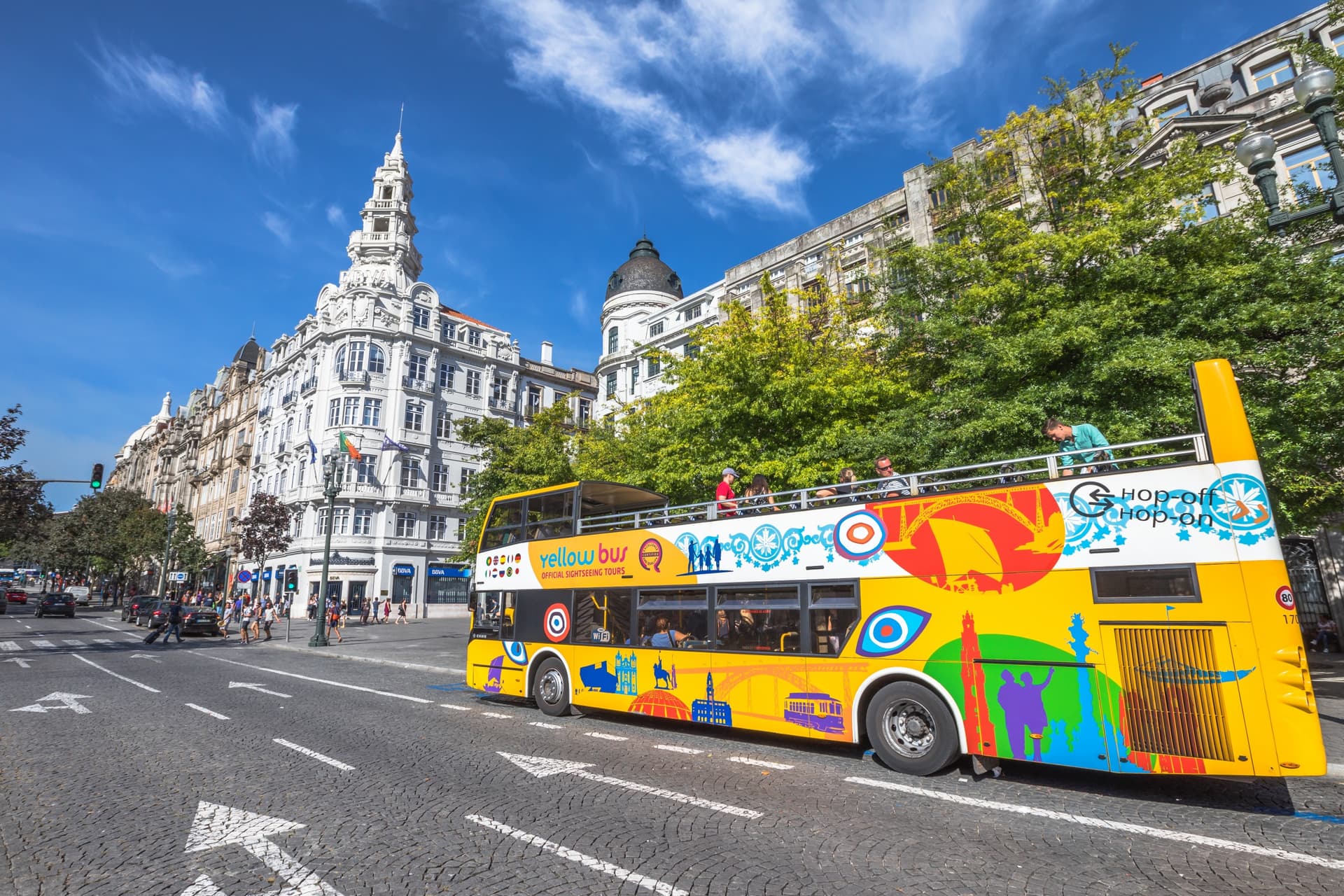
Alfa Pendular trains on the Lisbon-Porto route, car rentals for the Alentejo, Via Verde tolls, domestic flights to the islands.
1 article
Culture
Marked politeness, late meals (lunch at 1pm, dinner at 8:30pm), table setting often chargeable in restaurants, proper attire in churches.
1 article
Useful Tips
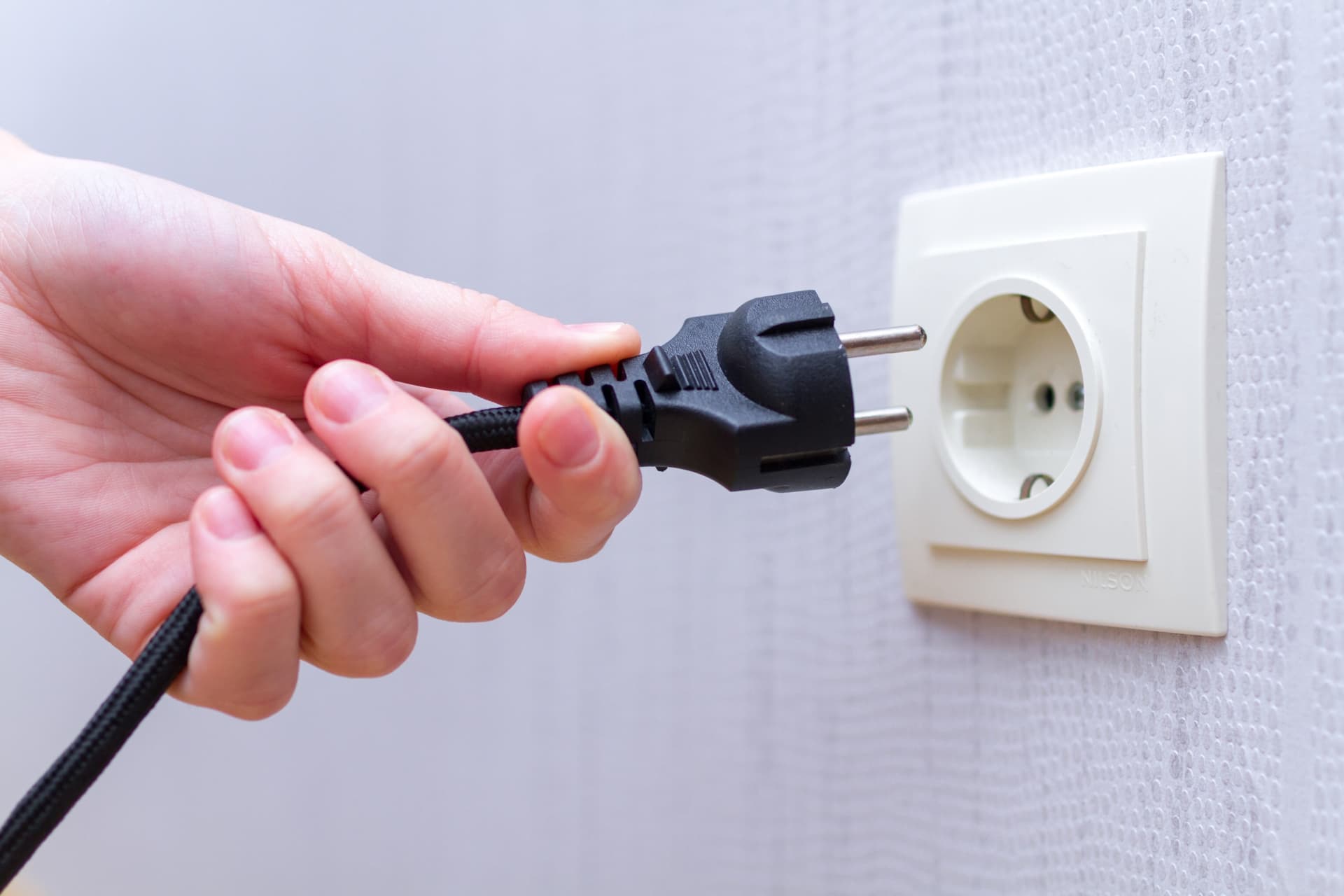
Drinking water from tap, Type F outlets, excellent 4G/5G, watch out for pickpockets on tourist trams in Lisbon and Porto.
2 articlesAll practical guides
Search and filter among 9 articles

9 of 9 results
Frequently asked questions
The answers to the most frequently asked questions from our travellers.
Portugal is part of the European Union and the Schengen area. French, Belgian, Swiss and Luxembourg nationals can enter with a valid identity card or passport, without a visa, for a tourist stay of less than 90 days. Canadians and other non-EU nationalities also benefit from Schengen visa exemption for 90 days within any 180-day period, provided they present a passport valid for at least 3 months after the planned departure date. From 2025 onwards, the ETIAS system (paid electronic authorization, approximately 7 euros) will be required for visa-exempt travelers from outside the EU. No special formalities are required for minor children traveling with their parents bearing the same family name.
No mandatory vaccinations required to enter Portugal. Our team simply recommends staying up to date with universal vaccinations: DTP (diphtheria-tetanus-poliomyelitis), MMR for younger travelers, and hepatitis B depending on your health profile. Hepatitis A can be discussed with your doctor for sensitive travelers or those planning extended stays in rural areas. Portugal's healthcare system is of high quality, with numerous public hospitals and private clinics in Lisbon, Porto, Coimbra, and other regional capitals. EU citizens should bring their European health insurance card (EHIC), which is free and valid for 2 years. Additional travel insurance covering repatriation and private medical care is highly recommended, especially if you plan hiking in Serra da Estrela or surfing in the Algarve.
Budget an average of 90 to 150 euros per day and per person excluding international flights, in mid-range comfort with 3-4 star accommodation, varied meals and activities. As a guideline: a double room in a charming guesthouse runs 80 to 130 euros per night outside Lisbon, a daily lunch (prato do dia) costs around 10-14 euros, dinner with wine at a good neighborhood restaurant 30-40 euros, a glass of tawny port 4-6 euros. Historic pousadas (converted former convents) range from 180-280 euros per night. Renting a compact car costs 35-50 euros per day excluding fuel. Museums cost 6 to 15 euros. Lisbon and the Algarve in high season (July-August) are 25 to 40% more expensive.
Portugal can be visited almost year-round thanks to its temperate climate, but we recommend two prime windows: April to June and September to mid-October. Temperatures then range between 20 and 28 degrees, days are long, the Atlantic light is magnificent for photography, and crowds remain moderate outside extended weekends. July and August remain excellent for swimming in the Algarve (sea at 21-22°C) but the Alentejo regularly exceeds 38 degrees, making it uncomfortable to visit Évora or Monsaraz. Winter (December-February) is mild in Lisbon and the Algarve (12-16°C), rainy in the north and along the Douro, but ideal for city trips to Porto, surfers at Nazaré (giant waves), and hiking in the verdant Alentejo.
Three options depending on your itinerary. The Alfa Pendular train connects Lisbon to Porto in 2h45 (around 32 euros in second class), with stops in Coimbra and Aveiro, and is the most comfortable way to travel along the Atlantic coast. A rental car is essential for exploring Alentejo, interior Douro, Serra da Estrela and the Alentejo coast, which have limited public transport. Be careful with electronic tolls Via Verde on most motorways: opt for the option from your rental company to avoid fines. Rede Expressos long-distance buses cover the country at low cost. For the Azores and Madeira, domestic flights from Lisbon or Porto with TAP and SATA. In Lisbon and Porto, metro, tram and Uber work very well.
Portugal ranks year after year in the top 5 of the Global Peace Index worldwide, making it one of Europe's safest destinations. Violent crime is rare, including in Lisbon and Porto. The only points to watch out for concern pickpockets on tram 28, the Santa Justa elevator, Lisbon metro during rush hours, and certain tourist markets, where we recommend keeping your bag closed in front of you and your phone out of sight. Persistent drug dealers in Bairro Alto or the city center actually offer counterfeit products—decline firmly. Driving is generally civilized, but be careful on the winding roads of Serra da Estrela and Madeira. European emergency number: 112. Our English-speaking team in Lisbon remains available 7 days a week during your stay.
Ready to travel to in Portugal?
Discover our tailor-made itineraries, designed by our local team. Each route adapts to your pace, your preferences and your travel season.
See our toursWe use cookies to improve your experience and measure our site's audience. You can choose what you accept. Learn more.