Moscatel de Favaios
Favaios, a schist village in the upper Douro, produces Moscatel de Favaios, a fortified sweet wine with its own protected designation. The local cooperative opens its doors for tastings and an immersion into a singular winemaking tradition.
Favaios is a village in the Douro region, in Trás-os-Montes, renowned for its white moscatel — a fortified sweet wine produced nowhere else in Portugal with such distinctive character. Moscatel de Favaios refers both to the appellation, the Moscatel Galego Branco grape variety, and the winemaking tradition of the village, carried forward for centuries by the local cooperative. An essential stop for anyone traveling up the Douro Valley toward the east.
Practical Information at a Glance
- Location: Favaios, municipality of Alijó, upper Douro (Portugal)
- Access: By car from Vila Real (approximately 40 km) or from Pinhão (approximately 15 km); no regular public transport
- Recommended duration: 1 to 2 hours for the cooperative visit and tasting
What to See
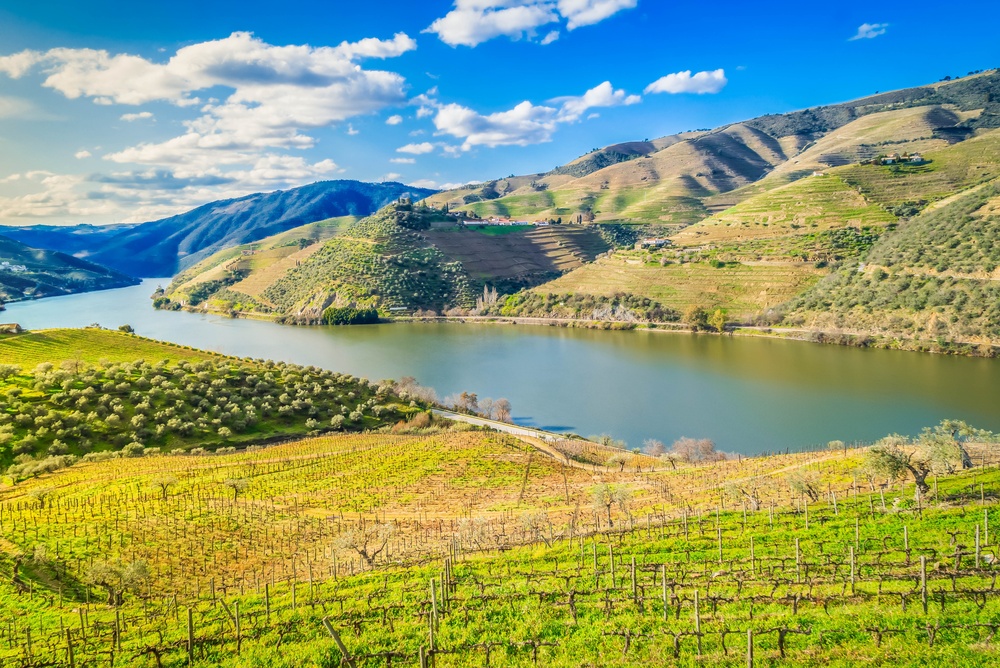
The village of Favaios cascades across hillsides of schist planted with terraced vineyards. The Adega Cooperativa de Favaios is the heart of production: here you discover the vats, the oak barrels, and the fortification process that halts fermentation to preserve the natural sugar of the grape. The tasting allows you to compare different vintages and styles, from young fruity moscatel to more oxidative, amber-hued versions.
History and Context
The Favaios cooperative was founded in 1952, bringing together small winemakers from the village around shared production. Moscatel de Favaios benefits from its own protected designation of origin (DOC), distinct from Douro and Port. The Moscatel Galego Branco variety, cultivated on schist soils with strong temperature variation, yields wines of particular aromatic richness here — white flowers, apricot, honey.
Highlights of the Visit
Tasting at the Cooperative
The Adega Cooperativa de Favaios offers guided tastings. You sample moscatel in several expressions: young, reserve, and sometimes barrel-aged cuvées. The quality-to-price ratio is noticeably more accessible than an equivalent Port in complexity.
The Village and Its Terraces
Favaios deserves a short walk. The schist-paved alleys, the vineyards encircling the houses, and the views over the upper Douro hills compose a sober and authentic scene, far from the tourist bustle of Pinhão.
Favaios Bread
The village is also known for its pão de Favaios, a rye bread with dense crumb, baked in a wood-fired oven. Paired with moscatel during the tasting, it illustrates Trás-os-Montes gastronomy in its most direct form.
Photography Tips
Late afternoon light is ideal on the schist vineyard terraces. In autumn (harvest, late September to early October), vine leaves turn red and gold — the most photogenic period. Inside the cooperative, ask permission before photographing the vats.
Location and Access
Favaios is located in the municipality of Alijó, approximately 15 km north of Pinhão by road. A car is essential: the mountain roads are narrow but passable. From Vila Real, allow approximately 40 km. The village is not accessible by train; the nearest station is Pinhão, on the Douro line.
Nearby
- Pinhão — iconic Douro wine village, with its azulejo-covered station and quintas accessible on the river's edge.
- Alijó — Trás-os-Montes town, seat of the municipality, starting point for exploring hinterland villages.
- Vale de Mendiz — steep valley between Pinhão and Alijó, spectacular terraced landscape in spring and autumn.
Frequently asked questions
Autumn (September-October) coincides with the harvest: activity at the cooperative is at its height and vineyard landscapes are particularly colorful. Spring is also pleasant, with flowering vines and fewer visitors.
The Favaios cooperative welcomes visitors for tastings, but it is advisable to contact the winery in advance, especially for groups or outside the season, to ensure a guide is available.
Yes. Moscatel de Favaios is a distinct appellation, produced only in Favaios with the Moscatel Galego Branco variety. It is more aromatic and floral than most white Ports, with notes of white flowers, apricot, and honey.
Yes, the cooperative has a direct sales area. It is often the most economical way to purchase moscatel, including reserve cuvées difficult to find elsewhere.
From Pinhão, half a day is enough to drive up to Favaios, visit the cooperative, and return. You can then continue to Alijó or head back to the Douro Valley for a river cruise or quinta visit.
A unique culinary experience
Discover the local food scene with our advisors.