Coimbra
Coimbra
Former medieval capital of Portugal, Coimbra brings together a UNESCO-listed university founded in 1290, the Joanina Library, and a unique student fado tradition. A city of culture and history on the banks of the Mondego River.
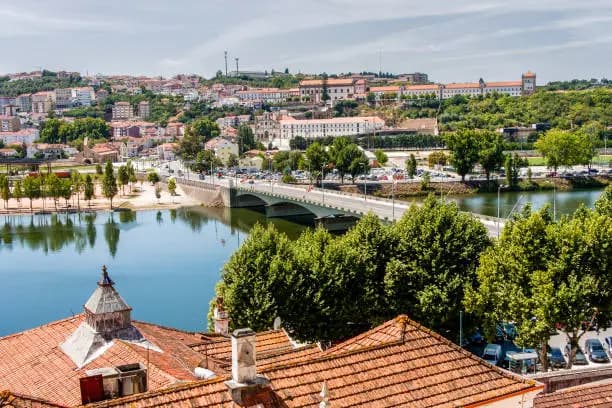
Coimbra stretches along the Mondego River, midway between Lisbon and Porto. The former medieval capital of Portugal, it owes its reputation to one of Europe's oldest universities, founded in 1290. The city blends Romanesque monuments, baroque azulejos, and a student fado scene unmatched anywhere else in the country. Its steep alleyways, students in black capes, and gilded libraries make it a standout stop on any trip to Portugal.
Quick Practical Facts
- Access from Lisbon: approximately 2 hours by Alfa Pendular train from Oriente station.
- Access from Porto: approximately 1 hour by Alfa Pendular train.
- Main station: Coimbra-B (long-distance lines) + shuttle to Coimbra-A in the city center.
- Local transport: SMTUC bus network and funicular (Elevador do Mercado) to reach the upper city.
- Recommended duration: 2 days to cover the upper city, lower city, and surroundings.
- Dress code: shoulders and knees covered for university chapels.
What to See
The city divides into two levels. The Alta (upper city) is home to the university, the Joanina Library, the old cathedral (Sé Velha), and the university tower. The Baixa (lower city) runs along the Mondego with its markets, cafés, and the Machado de Castro National Museum. The university's botanical garden, among the oldest in the country, deserves a visit.
History and Context
Coimbra was Portugal's capital from 1131 to 1255, before Lisbon took over that role. The university, founded in Lisbon and permanently transferred to Coimbra in 1537, shaped Portuguese culture for centuries. Coimbra fado—distinct from Lisbon's fado—emerged from student circles in the 19th century. The university ensemble was inscribed on UNESCO's World Heritage list in 2013.
Highlights of Your Visit
The Joanina Library
Built in the 18th century under João V, this baroque library holds around 300,000 volumes. Its three rooms with lacquered woodwork in gold, green, and red rank among Portugal's most spectacular interiors. Admission is charged and visits are limited in number; book ahead during peak season.
The Sé Velha (Old Cathedral)
Erected in the 12th century, it stands as one of the best-preserved examples of Romanesque architecture in Portugal. Its austere façade contrasts with the gilded Gothic altarpiece inside. Admission is charged.
The University Tower and São Miguel Chapel
The baroque tower (Torre da Universidade) offers panoramic views over the city's rooftops and the Mondego. The adjacent São Miguel chapel features a baroque organ and remarkable 18th-century azulejos.
The Machado de Castro National Museum
Housed in the former episcopal palace, this museum preserves a collection of medieval sculpture and goldsmith work among the richest in the country. Its Roman cryptoporticus, a remnant of the ancient city of Aeminium, is accessible from the basement.
Coimbra Fado
Sung exclusively by men in black capes, this student fado stands out for its poetic lyrics and the Coimbra guitar's deeper timbre. Concerts take place in several fado houses in the Baixa, particularly in the evening.
Photography Tips
- Best light: early morning from the Miradouro da Alta to photograph the city and Mondego without crowds.
- Joanina Library: tripods forbidden, flash forbidden; natural light from windows suffices during the day.
- Sé Velha: the façade is better lit late morning, on the western side.
- Students in capes: present mostly during the academic year (October–June); avoid photographing without permission.
Location and Access
Coimbra lies in central Portugal, roughly 200 km north of Lisbon and 120 km south of Porto. Coimbra-B station serves long-distance trains; a shuttle connects to Coimbra-A in the city center. The Mercado funicular carries you to the upper city. Accessibility for people with reduced mobility is limited in the upper city due to sloped, paved alleyways.
In the Surroundings
- Santa Cruz Monastery — pantheon of Portugal's first kings, just steps from the Baixa.
- Quinta das Lágrimas — romantic gardens linked to the legend of Inês de Castro, across the Mondego.
- Conimbriga — Roman ruins among the best preserved on the Iberian Peninsula, about 30 kilometers south.
- Buçaco Forest and Palace — classified forest and neo-Manueline palace, approximately 30 km north.
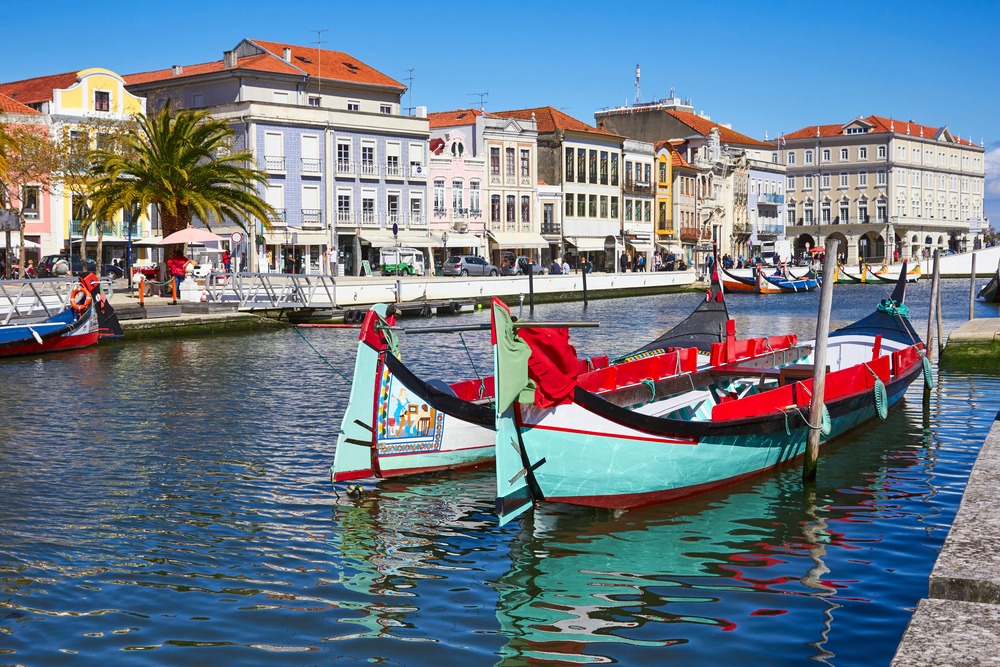
- Aveiro — called the "Portuguese Venice" for its canals and moliceiros boats, about 60 km north.
Frequently asked questions
Spring (April–June) and autumn (September–October) offer pleasant weather and a city alive with university activity. In July–August, students depart and heat can be intense.
Yes, during peak season (spring and summer). Time slots are limited to preserve the collections. Booking is available through the University of Coimbra website.
Yes. Coimbra sits ideally on the rail axis between Lisbon and Porto. Two nights suffice for the essentials; allow one night if time is tight.
Several fado houses in the Baixa offer evening concerts. The Serenata Monumental, a free concert on the steps of the Sé Velha during certain university festivities, is the most authentic experience.
Partially. The Mercado funicular aids the climb, but paved alleyways and stairs in the upper city remain challenging in a wheelchair. The Baixa is more accessible.
Chanfana (goat stew in red wine) is the emblematic dish of the region. Pastéis de Tentúgal, cream-filled puff pastries, are the local pastry not to miss.
Want to discover this destination?
Our local advisors design your tailor-made trip.